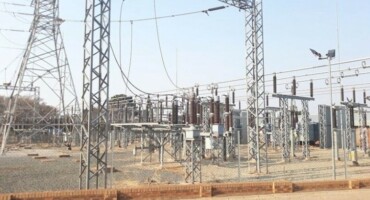
Tshwane targets greenhouse gases
Tshwane becomes the first metropolitan city in South Africa to identify climate risk zones in their jurisdiction.
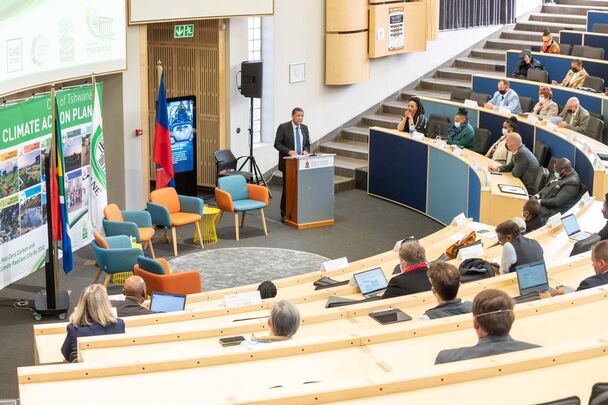
The Tshwane municipality plans to reduce greenhouse gas emissions in vulnerable communities by 100% in three decades.
On Tuesday Tshwane mayor Randall Williams launched a climate action plan in a bid to join other global cities in a united approach to fight climate change with a view to achieving net-zero carbon emissions and become a climate-resilient city by 2050.
Williams said the plan is a commitment to “future-proof” the capital city against the damaging impacts of climate change by ensuring that residents and business reduced greenhouse gas emissions.
ALSO READ: Children’s measles vaccination encouraged as Tshwane cases monitored
This comes against a backdrop of a recent dramatic change in precipitation, temperature and wind patterns in the country.
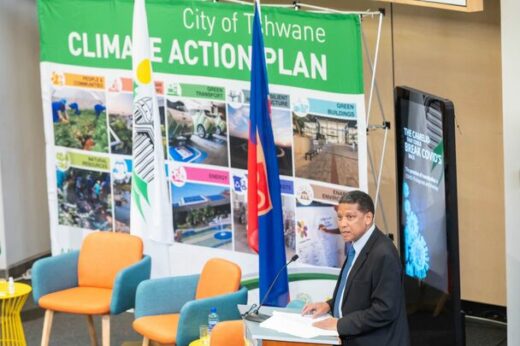
Williams said the metro is the first metropolitan city in South Africa to identify climate risk zones – geographical areas at risk of being severely affected by climate hazards.
He said the zones in Tshwane are spread across the seven metro regions including Pretoria CBD, Silverton, Atteridgeville, Sunnyside, Mabopane, Soshanguve, Ga-Rankuwa, Rosslyn, Montana, Eersterust, Mamelodi, Lotus Gardens and Hammanskraal.
He said the metro expected these zones to increase to include Groenkloef, Garsfontein, Montana, Theresapark and The Reeds in Centurion.
“The aim of the plan is to ensure that the climate risk zones do not expand as currently anticipated,” he said speaking to Rekord.
Photo: Notorious accident hotspot in Rosslyn claims 15 lives with 42 injured
“Our plan is thus strongly guided by a scientific evidence base, using data to inform our strategies for the future.”
He said communities could start reducing emissions by walking and cycling for short distances and using public transport for longer distances, investing in electric vehicles, using solar energy for heating, while using gas for cooking.
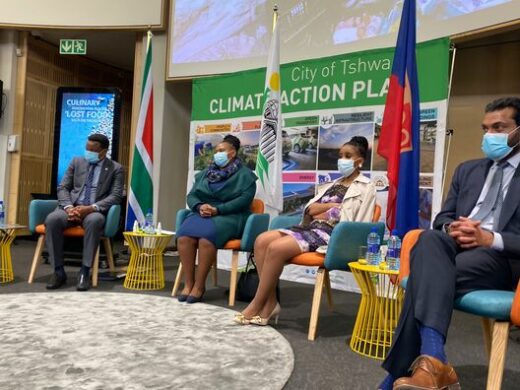
“We should avoid throwing organic waste into our dustbins as it creates methane gas in the landfill site. Our veggie peels can be used for garden compost. We should try to keep our recyclables separate from our non-recyclable waste so that this material can be kept clean and easily retrieved by informal recyclers,” he said
He said following the devastating KwaZulu-Natal floods, it was important that metros concentrated on climate change mitigation.
“The implementation of this plan will require extensive partnerships and support from colleagues and key stakeholders such as C40 Cities Climate Leadership Group, University of Pretoria and City of Aarhus.”
Do you have more information about the story?
Please send us an email to editorial@rekord.co.za or phone us on 083 625 4114.
For free breaking and community news, visit Rekord’s websites: Rekord East
For more news and interesting articles, like Rekord on Facebook, follow us on Twitter or Instagram