Award winning digital based art on display in the Capital City
The 2021/2022 Visionary Award winning Pre-empty Group showcases its artworks at Javett Art Centre at the University of Pretoria.
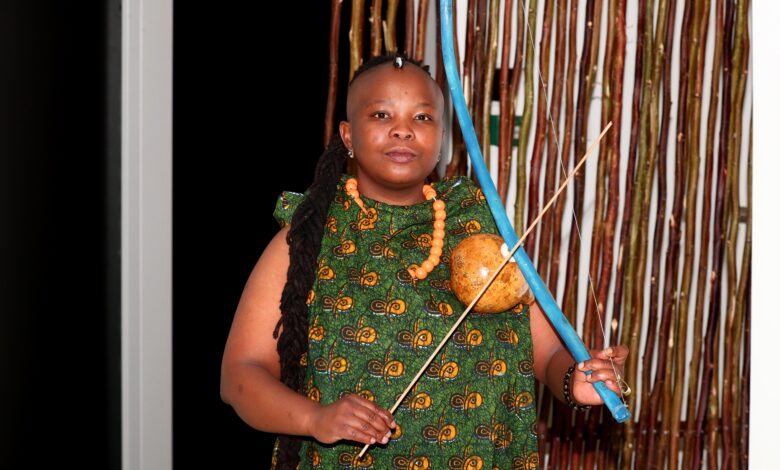
The 2021/2022 Visionary Award winners’ artworks were put on display on Saturday at the Javett Art Centre at the University of Pretoria (Javett-UP).
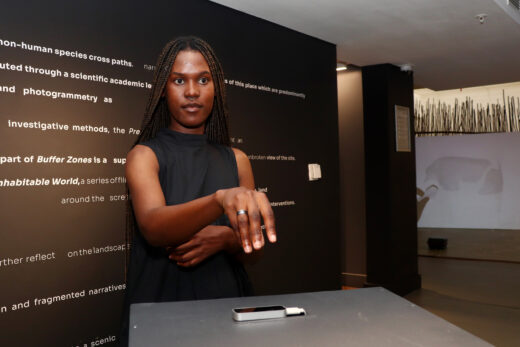
Photo: Ron Sibiya
The Pre-empty Group, consisting of Mbali Dhlamini and Phumulani Ntuli, was announced winners of the award, contested by artists from all over the African continent, in December. The official opening of the Buffer Zone
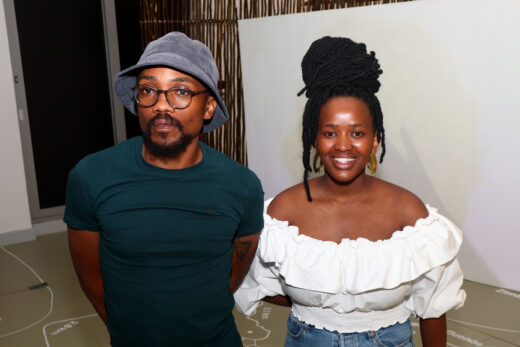
exhibition at Javett-UP over the weekend, to showcase the artworks of the winners, offered more than 30 people from all over the continent an opportunity to view the best digital artworks of the champs.
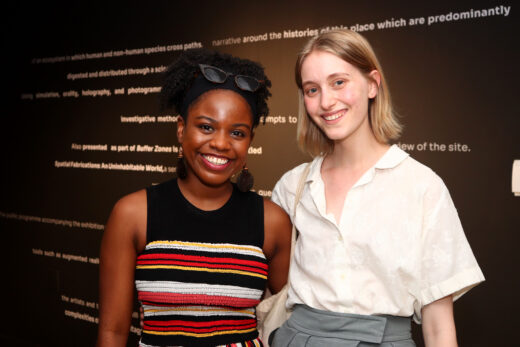

Photo: Ron Sibiya
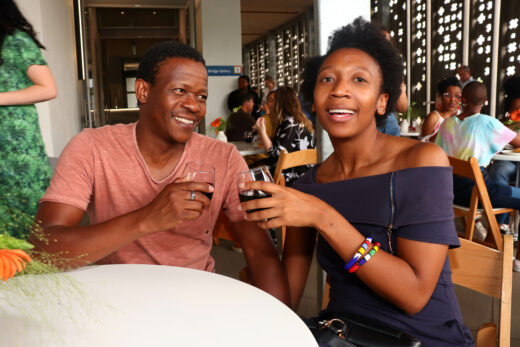
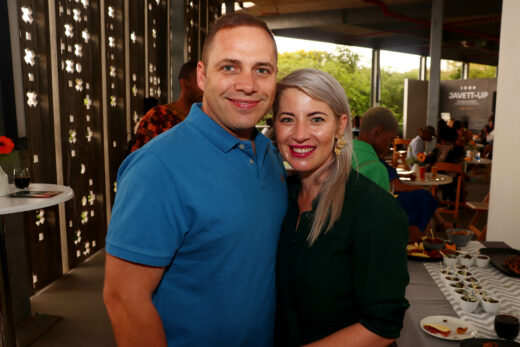



Photo: Ron Sibiya
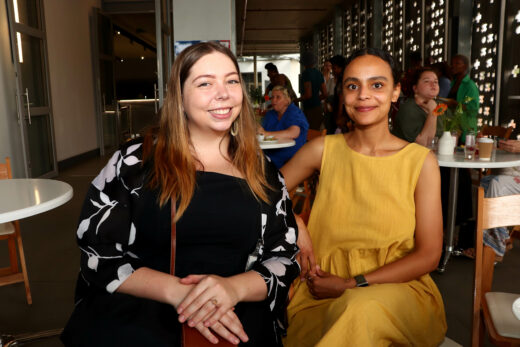

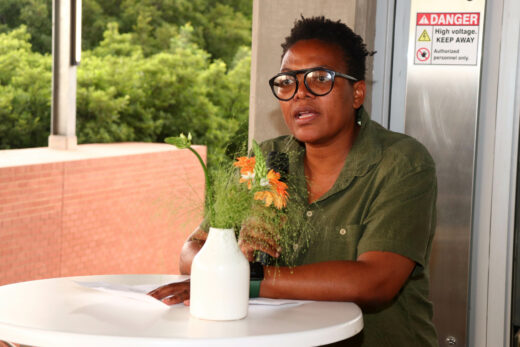
Photo: Ron Sibiya
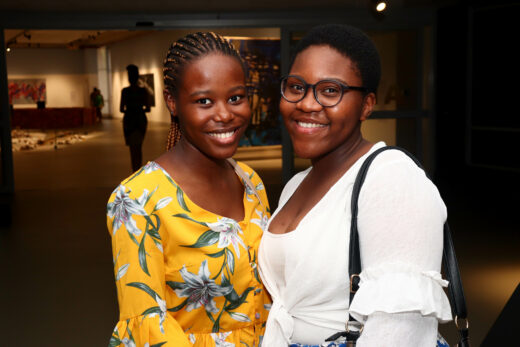
“Buffer Zones is actually the exhibition to showcase their work,” Javett-UP Curatorial Assistant Gillian Fleishmann told Rekord.
The exhibition happened in a manner that puts digital-based media in a position where they can challenge or effectively compete with traditional art such as paintings and sculptures in terms of display.
“Digital-based media is a medium that is not usually given as much attention as artworks such as painting and sculptures,” Fleishmann said.
She cited that the Visionary Award provided a platform for digital based media artists to be explorative and challenge conventional gallery or museum practises in relation to the method used to display artworks, among others.
She said the award took on a Pan-African focus designing to discover, nurture and support talent working within the medium of art photography across the African continent.
The duo’s journey to victory was difficult as they had to compete with other good artists on the continent, Fleishmann explained.
After the open call for submissions in the middle of last year, more than 65 candidates from all over Africa were shortlisted, she said.
The submissions were received from countries including Egypt, Kenya and Botswana.
“We came down to five finalists and after much deliberation, the Pre-empty Group was selected as the 2021/2022 Visionary Award winners.”
She said the winners showed huge potential in digital based media.
According to Fleishmann the 2021/2022 Visionary Award is the result of a collaboration between the Javett-UP and the Tim Hetherington Trust.
She said it was initiated to commemorate the memory o Hetherington, the late British documentary photographer and filmmaker.
“The award was also aimed at providing a platform to digital based media artists to showcased their talents because the digital based media is a medium that is not usually given much attention as opposed to artworks such as painting,” Fleishmann said.
According to Javett-UP the term Buffer Zones carries connotations that reflect on spatial politics connected to the historical site of Mapungubwe.
Through transdisciplinary research processes the Pre-empty Group investigates the fabric of the landscape as offering multidirectional signposts of an ecosystem in which human and non-human species cross paths.
This first chapter of Buffer Zones is presented in the form of a film that meditates on the excruciating destruction of the landscape and its ways to rehabilitate itself after years of institutional surveillance.
The film offers a break in response to the ongoing narrative around the complex history of Mapungubwe which is predominantly digested and distributed through scientific academic study.
Founded in 2018, the collective duo is facilitated by artists Dhlamini and Ntuli as a platform to explore the intersectionality of archives and technologies as tools to interrogate and create alternative forms of knowledge, Javett-UP said.
ALSO READ: Dysfunctional Sunnyside sector 2 CPF committee resuscitated
Do you have more information about the story?
Please send us an email to editorial@rekord.co.za or phone us on 083 625 4114.
For free breaking and community news, visit Rekord’s websites: Rekord East
For more news and interesting articles, like Rekord on Facebook, follow us on Twitter or Instagram