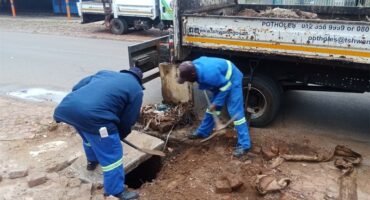
Push to formalise more than 60 informal settlements enter planning pipeline
Pretoria is grappling with 502 informal settlements, more than double the 220 recorded before Covid-19, as the metro moves to formalise communities and identify suitable land for relocation and future housing development.
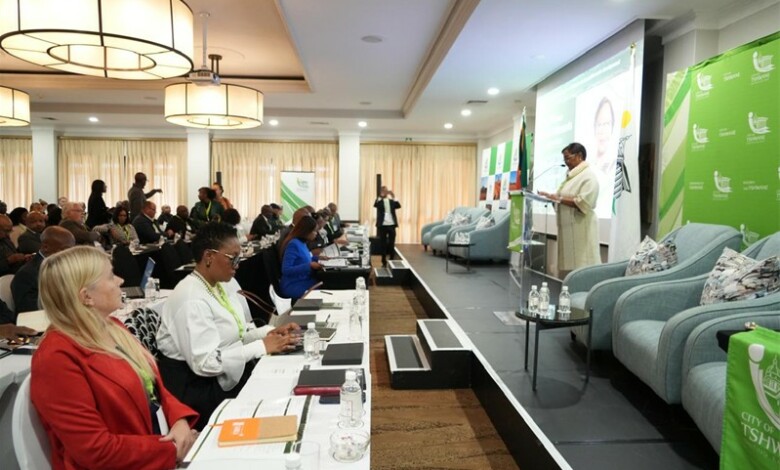
The Tshwane metro has advanced its plans to formalise more than 60 settlements and prepare nearly 70 000 stands for future development to improve the lives of people living in informal settlements.
Speaking at the Human Settlements Symposium, Mayor Dr Nasiphi Moya said the metro’s human settlements programme is not only about building houses, but about reshaping the city to bring residents closer to jobs, services and economic opportunities.
According to Moya, more than 18 000 households are expected to benefit from major water, sewer, and reticulation projects currently underway across the city.
“Behind that figure are families who have waited years for reliable services, parents seeking greater stability for their children and communities looking for the basic infrastructure that allows people to live, work and plan for the future with confidence,” said Moya.
She said the metro is moving through various stages of technical studies, township establishment and infrastructure planning.
“While much of this work takes place away from public view, it is creating the conditions for future communities to emerge in places where residents can live with greater security, access opportunity more easily and build stronger futures for their families,” she said.
The announcement forms part of the metro’s broader vision to address decades of spatial inequality that continue to force many residents to live far from economic opportunities and essential services.
Moya said the city’s future growth depends on ensuring that housing development goes hand in hand with infrastructure investment, economic development and improved access to opportunities.
“For too many residents, where they live continues to shape what opportunities they can access and how fully they can participate in the economic and social life of our city,” she said.
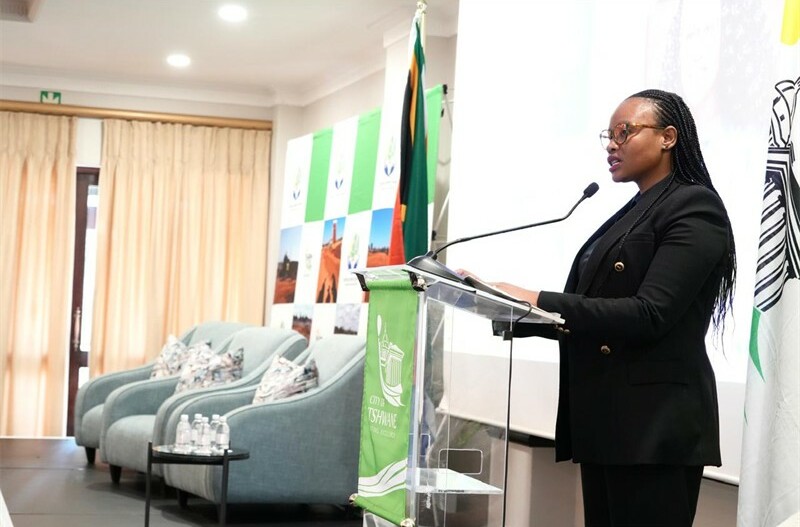
“This is why human settlements matter. Human settlements must be understood not only as a housing programme, but as a central pillar of economic development.”
Moya said there are 502 informal settlements in Pretoria.
“This number mushroomed during Covid-19 from the initial 220. We have formulated a policy direction, the Informal Settlement Management Policy, to manage the number of informal settlements in the city. The first category deals with formalising some of the informal settlements. The other category deals with finding suitable placements,” she explained.
Among the major infrastructure projects nearing completion is a bulk services programme in Winterveldt, which includes a 20-megalitre reservoir and extensive water and sewer networks aimed at unlocking future development opportunities in the area.
Moya said reticulation projects are also progressing in Rama City, Ga-Rankuwa, Zithobeni, and Mamelodi, where communities have long awaited reliable access to basic services.
“Reliable infrastructure changes the experience of everyday life. It determines whether water comes from a tap or a tanker, whether children can study under electric light, whether businesses can operate consistently and whether residents can live with the certainty and dignity that should accompany access to basic services,” she said.
The metro has also accelerated the delivery of title deeds, issuing more than 1 700 title deeds during the current financial year in communities including Mabopane, Winterveldt, Ga-Rankuwa, and New Eersterust.
Moya highlighted the story of New Eersterust resident Gogo Mafati Elizabeth Nxumalo, who recently received formal ownership of the home she has occupied for many years.
“After decades of uncertainty, she finally received confirmation that the place she calls home belongs to her family,” said Moya.
“For Gogo Nxumalo, that title deed provides something many people take for granted: certainty. It confirms that the home she has cared for over many years can now be passed on to future generations with security and pride.”
Moya said such milestones demonstrate that housing delivery is about more than bricks and mortar.
“Moments like these are easy to capture in a statistic, but their real significance is felt around kitchen tables and within families. They provide security, a sense of belonging and the confidence to plan for the future knowing that the place they call home is truly theirs,” she said.
Moya further emphasised that the metro’s long-term development strategy centres on creating a compact, connected and integrated city where residents spend less time commuting and more time with their families.
“Success is reflected when families spend less time commuting and more time together. It is reflected when young people can access opportunities closer to where they live. It is reflected when residents spend less of their income on transport and more on building secure and prosperous futures,” she said.
She also used the symposium to position the city within broader discussions about urban development on the African continent.
Following the city’s recent participation at the World Urban Forum in Baku, Azerbaijan, Moya said African cities must play a greater role in shaping global conversations around urbanisation, housing and infrastructure development.
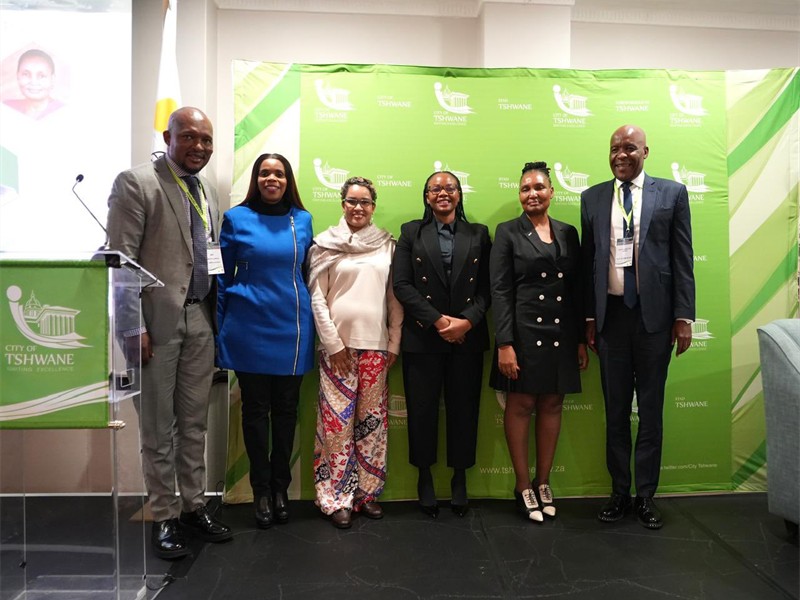
“While Africa is one of the fastest urbanising regions in the world, African cities were not as visible in these global conversations as they should have been,” she said.
“We cannot afford to be observers in conversations about the future of cities. We must help shape the conversation, contribute solutions and demonstrate through action what inclusive, sustainable and people-centred urban development looks like in an African context.”
Moya said the Tshwane metro intends to focus on a range of housing opportunities, including social housing, affordable rental accommodation, home ownership programmes, student housing, and mixed-use developments located near transport corridors and economic hubs.
“The future of human settlements is not simply about building more housing,” she said.
“It is about providing the right housing opportunities in the right locations for different people at different stages of their lives.”
Moya concluded by calling for stronger collaboration between government, developers, financial institutions, infrastructure providers, and communities to tackle the city’s housing challenges.
“The future of Tshwane’s human settlements will be shaped not only by public policy, but by our collective willingness to innovate, collaborate and act with urgency,” she said.
“Ultimately, our success will not be measured by plans approved, houses constructed or kilometres of infrastructure installed. It will be measured by whether communities are safer, better connected, and whether economic growth translates into greater dignity, inclusion and opportunity for all residents.”
We estimate that about 90% of citizens in Africa will live in urban areas by 2050.@CityTshwane pic.twitter.com/a3riIxCCW2
— Dr Nasiphi Moya (@nasiphim) June 2, 2026
Do you have more information about the story?
Please send us an email to bennittb@rekord.co.za or phone us on 083 625 4114.
For free breaking and community news, visit Rekord’s websites: Rekord East
For more news and interesting articles, like Rekord on Facebook, follow us on Twitter or Instagram or TikTok or WhatsApp Channel