Pretoria Eye Institute celebrates World Sight Day with 125 free cataract surgeries
One patient had only been able to see shadows for over 10 years, but all it took was this special gift and a short 15-minute surgery to restore her vision.
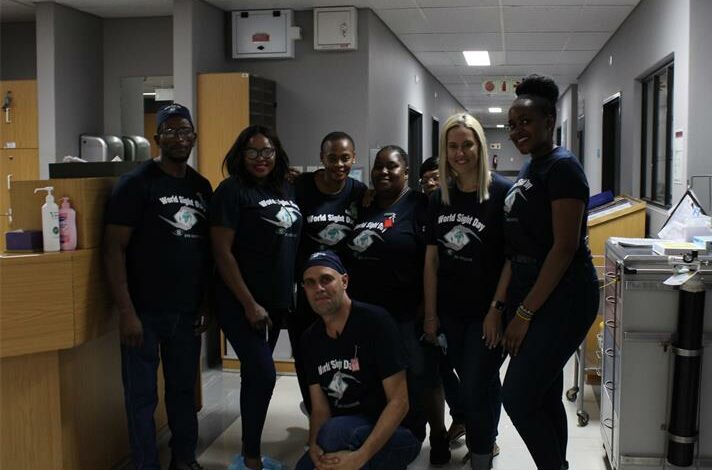
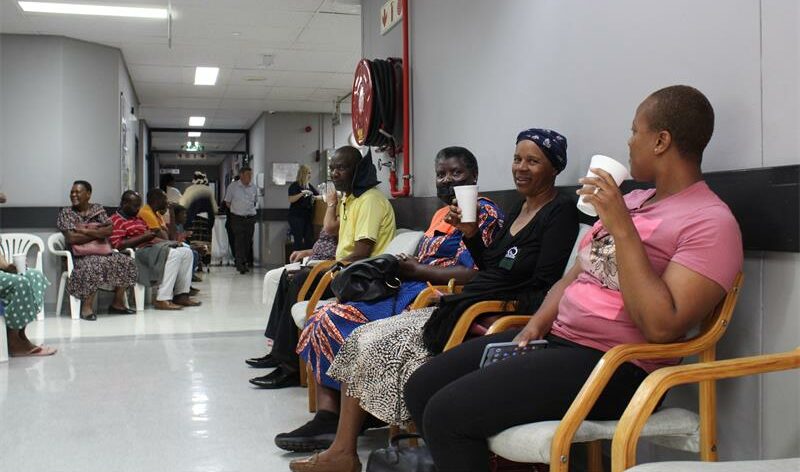
One hundred and twenty-five patients, from a waiting list of over 600, got the gift of sight from the Pretoria Eye institute this year – for free.
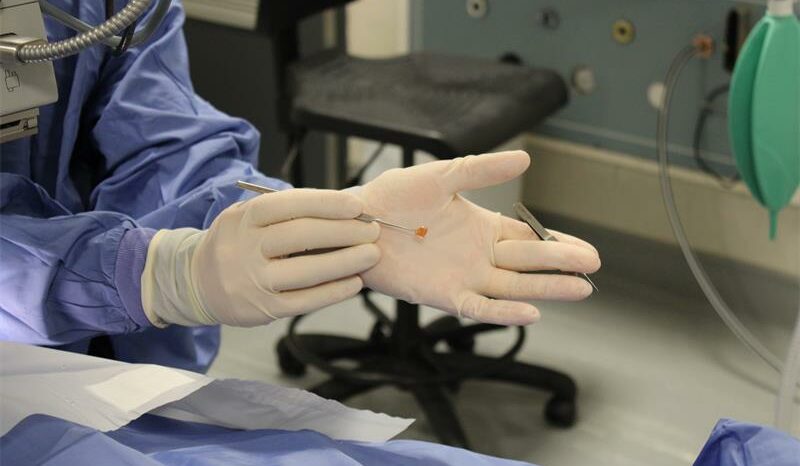
They were selected to get free surgeries that involved the removal of cataracts from their eyes and the placing of a synthetic lens made from acrylic. A team of 12 doctors, a staff of nurses, and volunteers assisted on the day.
World Sight Day was celebrated on October 13.
A team of ophthalmologists changed the lives of these patients in line with the World Health Organisation’s (WHO) theme for this year’s World Sight Day, “Love Your Eyes”.
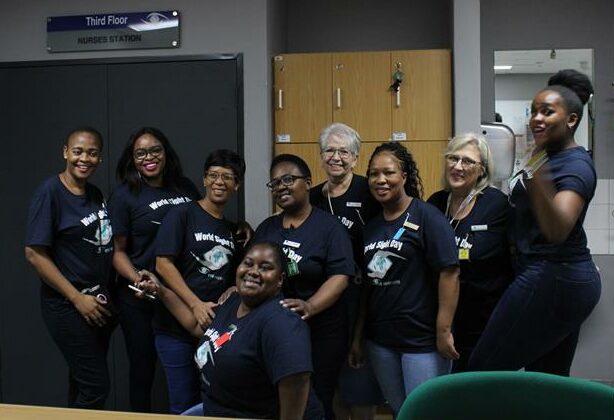
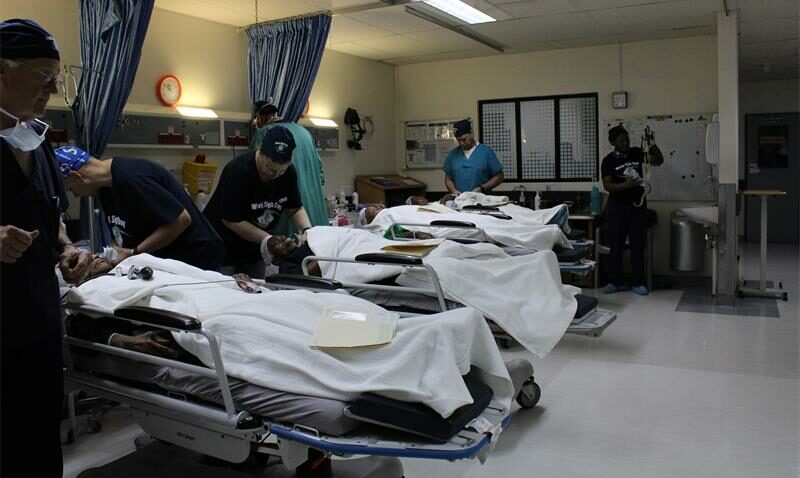
The patients selected were Sassa grant receivers or people with no medical aid, and patients that had previously received one eye surgery were treated for the other.
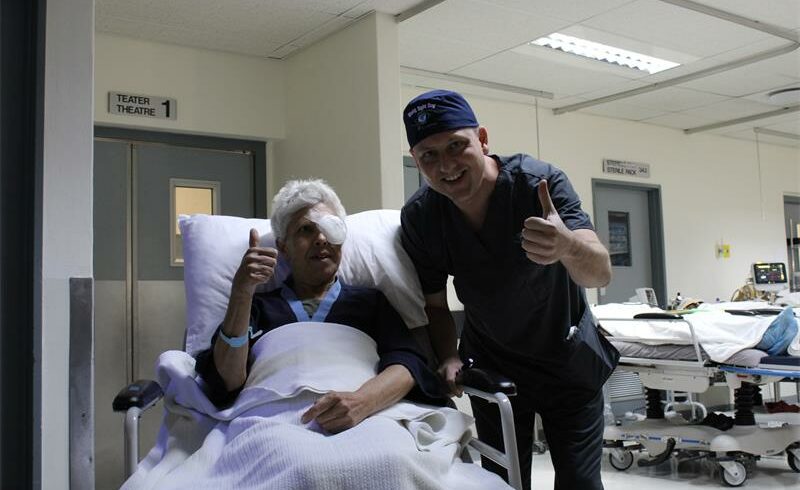
Among the many patients treated, Mrs EC Oosthuizen had been suffering from a particularly severe cataract. She said that she had only been able to see shadows for over 10 years, but all it took was this special gift and a short 15-minute surgery to restore her vision.
“There’s nothing I can say, I am just so happy,” she said.
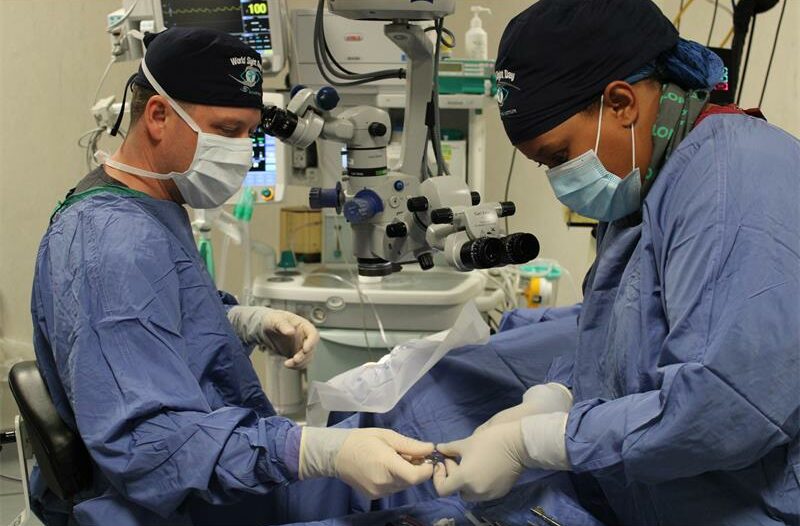
Her surgery was the 10th performed by Dr Clayton Erasmus for the day thus far.
He said that the relief would be immediate, giving time for the sedatives to wear off.
Erasmus explained the natural lens becomes opaque with ageing after years of sun exposure or by the influence of health conditions such as diabetes, the lens becomes cloudy.
“All we are doing is removing the old lens and replacing it with a synthetic one. It doesn’t even require stitches, as the eye quickly heals over the incision.”
The surgeries took no more than 30 minutes, and patients were awake with sedation in the eye that need treatment.
The cataract surgeries were funded by donors and sponsors, including Priontex, Gen Eye, CJ Distributions, Envision, Isoclear, and Adcock Ingrams.
Unoperated cataracts and uncorrected refractive errors are the leading causes of vision impairment.
Other causes such as age-related macular degeneration, glaucoma, diabetic retinopathy, infectious diseases of the eye, and trauma, are all treatable and should be addressed.
At least 1 billion people worldwide suffer from preventable vision loss with untreated cataracts being one of the largest causes of vision loss. Cataracts can be treated through simple surgery.
2.2 billion people suffer vision impairment, with half of those suffering unnecessarily in cases that could have been prevented or could still be addressed.
Young children with early onset severe vision impairment can experience delayed motor, language, emotional, social and cognitive development, with lifelong consequences. School-age children with vision impairment can also experience lower levels of educational achievement.
Vision impairment severely impacts the quality of life among adult populations. Adults with vision impairment often have lower rates of work productivity and higher rates of depression and anxiety. In the case of older adults, vision impairment can contribute to social isolation, difficulty walking, a higher risk of falls and fractures, and a greater likelihood of early entry into nursing or care homes.
Vision impairment poses an enormous global financial burden. For example, the annual global costs of productivity losses associated with vision impairment from uncorrected conditions were estimated to be in the hundreds of billions in US dollars.
ALSO READ: Eye Screening Day for over 300 learners
Do you have more information about the story?
Please send us an email to editorial@rekord.co.za or phone us on 083 625 4114.
For free breaking and community news, visit Rekord’s websites: Rekord East
For more news and interesting articles, like Rekord on Facebook, follow us on Twitter or Instagram