No permit, no entry: Metro clamps down on overburdened dumps
Sites previously closed have reopened following the clearing of refuse backlogs.
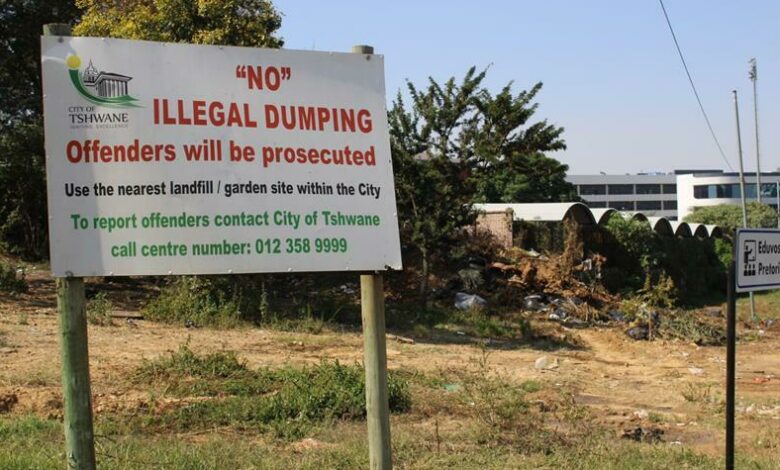
A strict no permit, no entry policy and the rotational closing of sites.
These are some of the Tshwane metro’s new measures to control the high volumes of waste being dumped at its residential garden refuse sites.
The metro has only nine garden refuse sites and two transfer stations, and the sites have been overburdened by private garden refuse companies bringing in large volumes of waste.
The City has only four operational landfill sites, located in Bronkhorstspruit, Ga-Rankuwa, Soshanguve and Heatherley.
The rotational closure began with the Menlo Park and Magalieskruin garden refuse sites.
These sites were closed from April 3 to April 16 to clear out the overwhelming heaps of garden waste. Other sites are to follow suit.
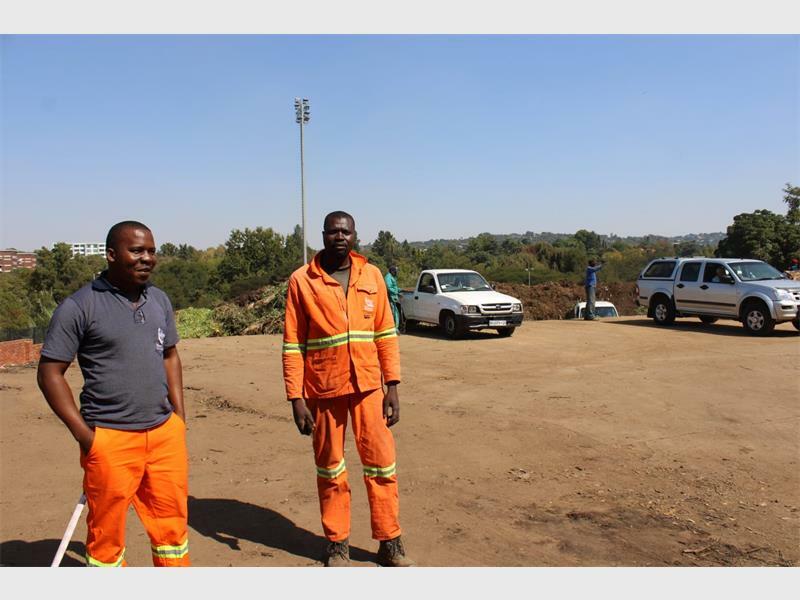
Edwin Leshabana, who has been working at the Menlo Park garden refuse site for 17 years, told Rekord that the volumes of waste coming through the site had increased tenfold since he started.
To address this issue, the City’s Waste Management department held a meeting with concerned residents on April 19 to discuss how the city was managing the large volumes it was facing.
The meeting was led by acting divisional waste management head Alice Mphalele.
Attendees heard that the metro introduced cost containment measures to ensure spending within the remaining budget for the financial year by November 2022.
As part of the measures, the department reduced equipment for the management and operation of disposal facilities.
It also reduced days of operation by taking out weekends and holidays, as they attract double payments.
Metro spokesperson Lindela Mashigo confirmed that “the City had to reduce the equipment at various waste disposal facilities”.
“The reduction of equipment was implemented to ensure that operations are carried out within the allocated budget of the current financial year as required by law.”
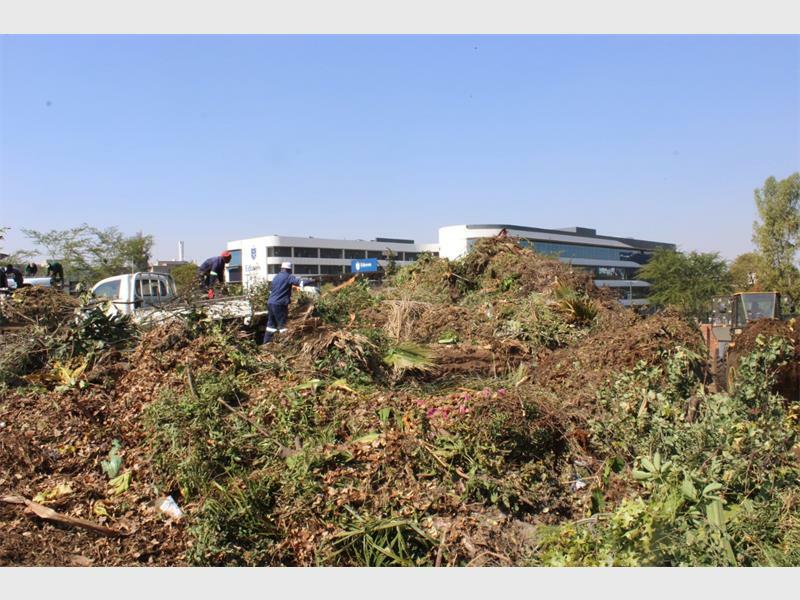
However, these measures led to the sites being overwhelmed and overflowing with waste within two weeks of their implementation on February 4.
In some instances, this led to waste being dumped outside the facility, causing a nuisance to the public.
To control the volumes of waste received at garden refuse sites, the department introduced a waste transportation permit initiative.
The City’s waste management by-law requires that all transporters of waste operating within Tshwane apply for a waste transportation permit that is renewable annually from the date of application.
The department then sought to implement a no permit, no entry policy to City disposal facilities without a waste transportation permit.
The initiative was introduced in November 2022 and eventually implemented on April 10.
Residents that dispose of less than a ton a week in garden waste are not required to apply for the permit.
The division is also planning to close two sites at a time for clearing the backlog.
The duration of the site closure will be determined by the quantity of waste on-site. This is to prepare the sites for the implementation of the no permit, no entry initiative.
This will also assist in collating data and assist the division in understanding the exact volumes of waste to be received by the sites and ensure proper planning for resource allocation.
The closure started with the Menlo Park and Magalieskruin garden refuse sites. These sites were closed for two weeks from April 3 to April 16.
** Article amended
Do you have more information about the story?
Please send us an email to editorial@rekord.co.za or phone us on 083 625 4114.
For free breaking and community news, visit Rekord’s websites: Rekord East
For more news and interesting articles, like Rekord on Facebook, follow us on Twitter or Instagram