National library looks to include more African works
It houses some of the most important historical documents of the country, and processes and records over 10 000 new pieces of literature that require legal certification every year.
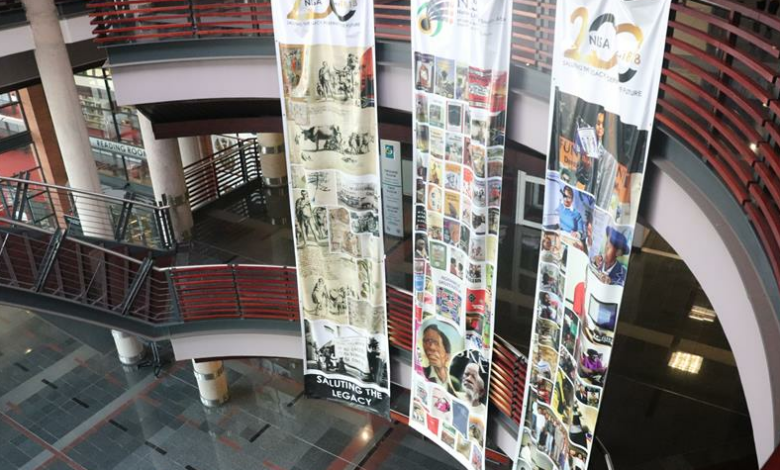
The National Library of South Africa (NLSA) is calling on residents to donate more African works to its collections.
This was revealed when Rekord sat down with executive director for core programmes at NLSA, Nokuthula Musa.
“From the NLSA origins, most of the collections have been very Dutch-focused and we have had African works before but more recently we are looking to include people of prominence, of note, and historical significance in our African collections,” Musa said.
The NLSA recently signed a memorandum with the Thabo Mbeki Foundation in this regard and is in the process of adding the works and documents of Kwame Nkrumah, the first prime minister and president of Ghana.
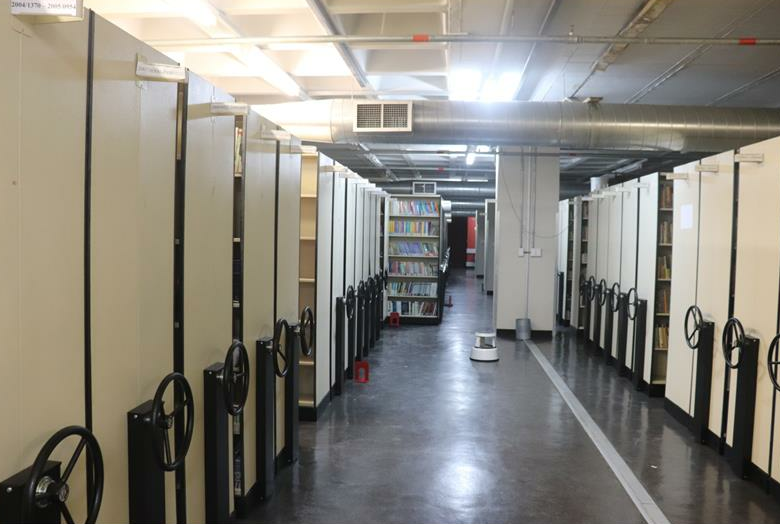
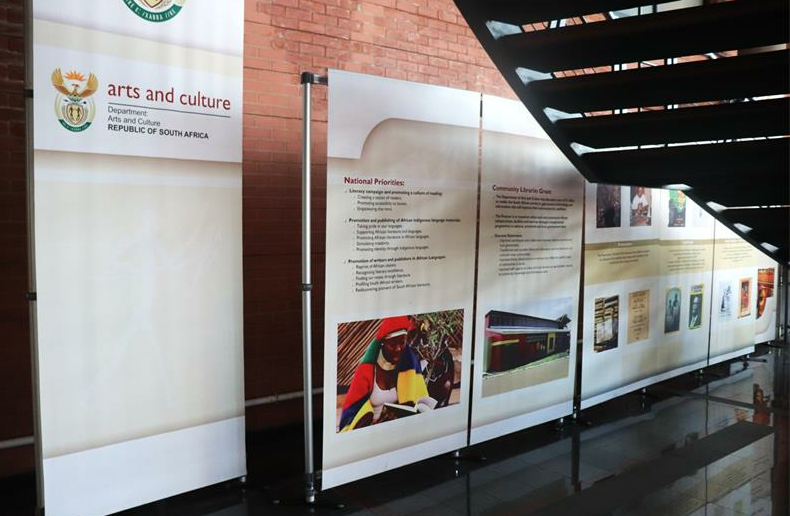
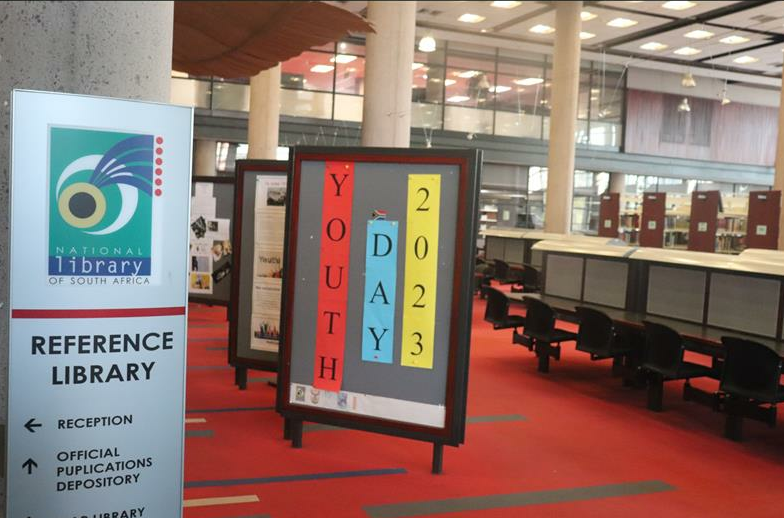
NLSA Pretoria campus has been a stable for the book collection, preservation and conservation. It is home to the only de-acidifying lab on the continent. It also houses some of the most important historical documents of the country, and processes and records over 10 000 new pieces of literature that require legal certification every year.
“There is a lot, it’s literary a wealth of information. You can find out everything about this country’s inception to where it is today right here,” she said.
Some of the other collections kept include the first copies of the first all-black newspaper Ilanga, Khoisan drawings from hundreds of years ago, photo collections including posters from the 1994 elections among many other artefacts and interesting rooms one can visit.
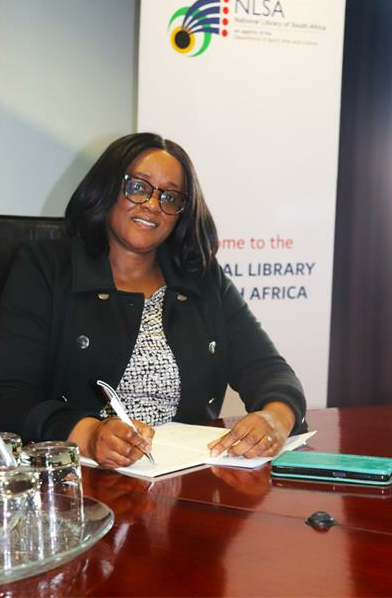
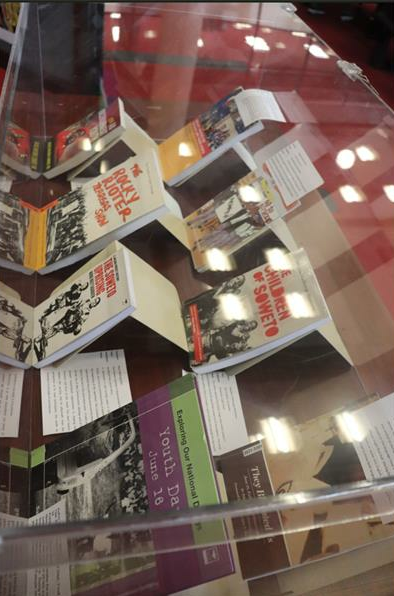
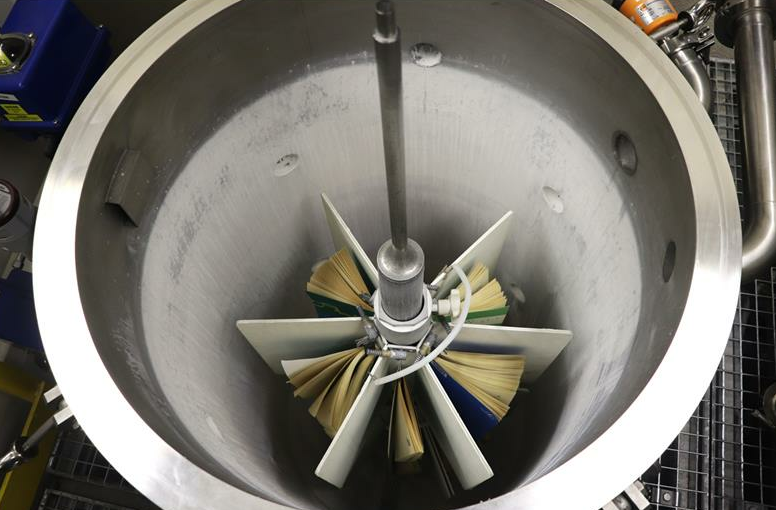
In October, Musa would have been in the post for three years, but has worked in libraries as a librarian for more than 30 years.
Musa said that the use of the library is crucial for any nation’s development.
“The library is the centre of the community. For any country to go forward, investment in the library is crucial. Libraries create more informed citizens and the higher the rate of the informed citizenry, the better decisions will be made for the country and individuals,” she said.
In a recent research survey, led by the Nal’ibali Trust and partners including the NLSA, it found that 83% of South Africans read in some way, whether for pleasure, to learn new things or to communicate with others, and 32% read books regularly.
The study also found significant challenges in accessing reading material, especially in African languages, and most children are growing up without any children’s books at home.
“What we noticed in the study is that people want to read, but the problem is the access. Parents without books to read need the library to provide that crucial development for their children. The little ones especially need to read even before birth. We have a provincial programme called Born2Read that addresses this. What I have also found is that there are a lot of kids that aren’t in a crèche, so our services are crucial to those communities that don’t have access,” Musa stated.
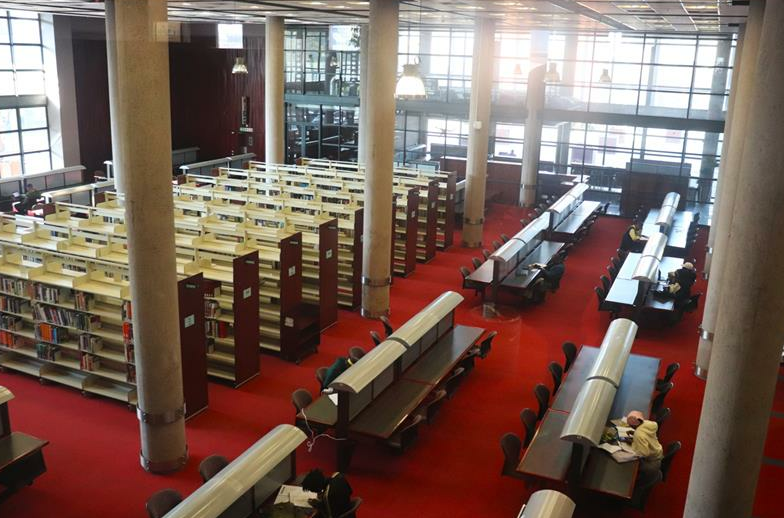
Located at 228 Johannes Ramokhoase Street in Pretoria central, Musa said that the NLSA Pretoria Campus rarely opens without a long queue of students, and researchers waiting to get in.
“Most people just need a quiet space with aircon, Wi-Fi and access to information. Some residents come to even type up a CV, not everyone is fortunate to have a laptop.
“ We even have free newspapers to read because the more informed residents are the better, so even though we have moved more into the digital age, the importance of the library remains unquestioned.”
Musa said the library sector was grateful for the 2007 community grant from the sports and recreation department which has made strides, though more funding is needed even today.
More funding and improvements to certain policies are being called such as the budget to buy books. The campus wants this budget to be increased to address ensure cultures are represented and people are informed.
Residents, organisations and publishers are also encouraged to submit their works for legal certification and to donate more historical works to the library’s collection for generations to come.
“Support your local libraries – not just the local library – but any cause that supports literacy because becoming lifelong readers will not only benefit your environment but your personal life as well,” Musa concluded.
Do you have more information about the story?
Please send us an email to editorial@rekord.co.za or phone us on 083 625 4114.
For free breaking and community news, visit Rekord’s websites: Rekord East
For more news and interesting articles, like Rekord on Facebook, follow us on Twitter or Instagram