Tshwane cuts off power to delinquent health facilities
The health department confirmed that Tshwane and Merafong municipalities had instituted cut-offs due to delayed payments, however, health institutions such as hospitals, clinics and community healthcare centres were not affected, although staffers had to use the nearest institutions for carrying out their work.
Tshwane and Merafong municipalities are just a handful of state organs that have taken action against Gauteng Health for failure to pay its electricity invoices in time recently.
The department’s finance challenges came to the fore on Monday when DA Gauteng shadow health MEC Jack Bloom alleged it was notorious for not paying bills within the legally required 30 days.
“Premier Panyaza Lesufi should ensure his provincial government pays all municipal accounts promptly and settles payment disputes without delay.”
Bloom said the payment default by the department was disclosed to him by MEC for health and wellness Nomantu Nkomo-Ralehoko in reply to his question in the legislature recently.
“The department owes R421 million to local councils for electricity.”
He said Johannesburg alone was owed R387.5-million, Tshwane R14.5-million, Eskom R10.2-million and Mogale City R5.4-million.
He said the department was in arrears in Ekurhuleni, Lesedi, Rand West City and Merafong City municipalities.
“Most of the debt (R429.5-million) is for less than 90 days, but R1 655 000 is owing for three to 12 months, and R243 000 for more than a year.
“Health services have suffered because Mogale City suspended electricity supply at the districts due to non-payment and billing disputes. Tshwane also cut off services because of non-payment.”
According to Bloom, Steve Biko Hospital owed R4-million, Jubilee Hospital R2.6-million and Tshwane district health R2.5-million to local councils while Thelle Mogoerane Hospital was indebted to Eskom for R4.8-million, Jubilee Hospital for R1.2-million and Tshwane district health R512 000.
Tshwane metro spokesperson Lindela Mashigo said Steve Biko and Tshwane district hospitals were currently paying their monthly accounts.
“Jubilee is in arrears and the city is in engagement with Gauteng to have this matter resolved.”
Mashigo said clinics were a concern as they recorded the biggest chunk of the health debt and credit control actions were being undertaken to recover finances.
“Arrears on health accounts are being addressed monthly with the departments and also at the quarterly Gauteng government meeting chaired by the debt management committee. The last meeting was on August 24.”
He said the department had queries relating to water loss due to internal leakages which were also being addressed.
Gauteng health spokesperson Motalatale Modiba said the debt owed to municipalities was for electricity and water currently at around R78-million not R421-million.
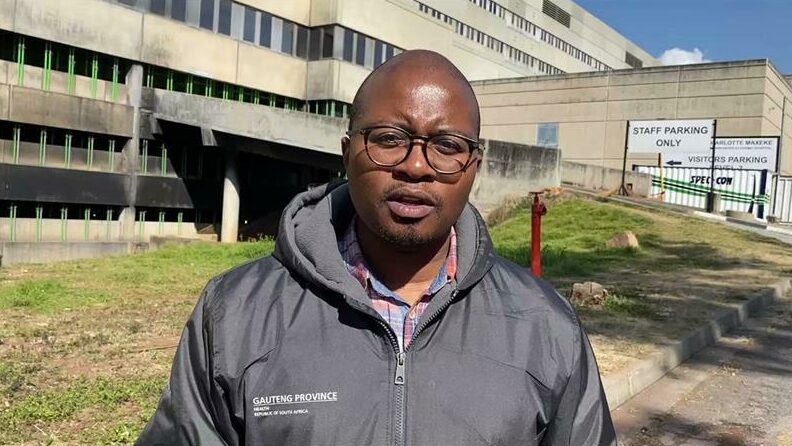
Modiba said the R421 449 048 debt was a month ago (July 31) but since then, more than R343-million has been paid to municipalities.
“The GDoH makes payment runs to municipalities and other service providers on a weekly basis. As of August 28, R1 221 732 is on a payment run to municipalities for services. Once that is paid by the end of this week, the GDoH will be left with a debt of R76 944 295 to municipalities.
“It is common practice for amounts owed by facilities to undergo verification so that the end users of the service can confirm what is being billed. Once amounts have been confirmed and disputes cleared, the GDoH then pays the outstanding amounts.”
Modiba confirmed that Tshwane and Merafong municipalities had instituted cut-offs due to delayed payments, however, health institutions such as hospitals, clinics and community healthcare centres were not affected.
“Only district offices were affected, resulting in office staff using the nearest institutions to carry out their work.”
He said there was never a time when the GDoH had failed to pay municipalities for services rendered as this was essential to sustain critical municipal services that the department relies on for the delivery of healthcare services in its facilities.
Modiba said the GDoH held discussions with the respective municipalities and Eskom to submit their correct bills on time to ensure timely payment.
“The department has weekly meetings and does follow-ups with municipalities to resolve issues before there could be any significant negative impact on operations due to delayed payments that could be due to late submission of invoices, disputes due to incorrect billing and duplicated submissions.”
ALSO READ: Fallen pillar of community laid to rest
Do you have more information about the story?
Please send us an email to editorial@rekord.co.za or phone us on 083 625 4114.
For free breaking and community news, visit Rekord’s websites: Rekord East
For more news and interesting articles, like Rekord on Facebook, follow us on Twitter or Instagram