Court orders Tshwane Metro to pay workers’ salaries
Tshwane was on Friday ordered to pay some of its workers who had their salaries ‘unduly’ withheld due to the no-work no-pay stance maintained by the metropolitan being ravaged by unlawful strike action.
Tshwane has paid 84 of the 451 workers whose salaries were forcefully being withheld due to the continuing strike action.
The metro was ordered to do so by a court.
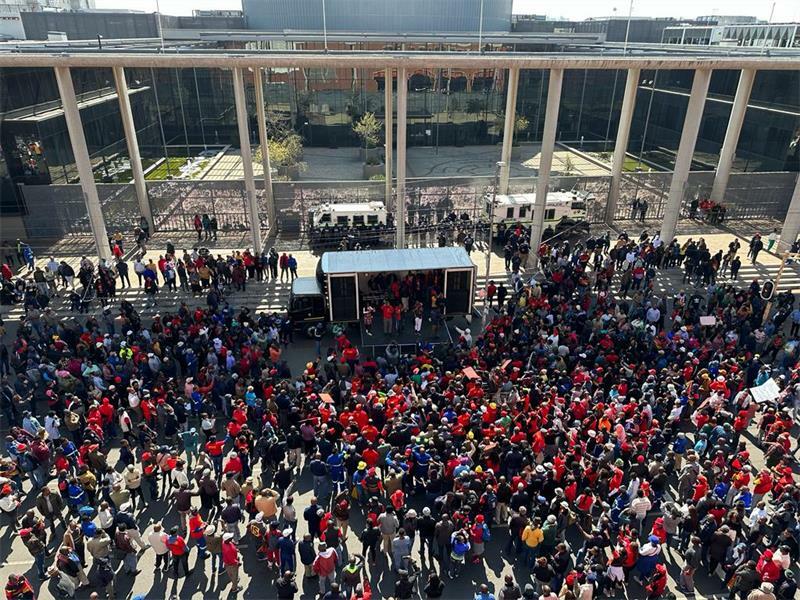
In the past seven weeks, the Capital City has been a battleground of instability, violence and intimidation since unlawful strike action had started on July 24, affecting service delivery operations at municipal offices.
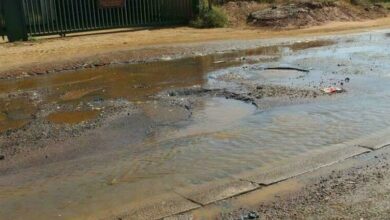
Since July, the municipality’s day-to-day power failures, water supply pipe leakages and sewer blockages have been left unattended.
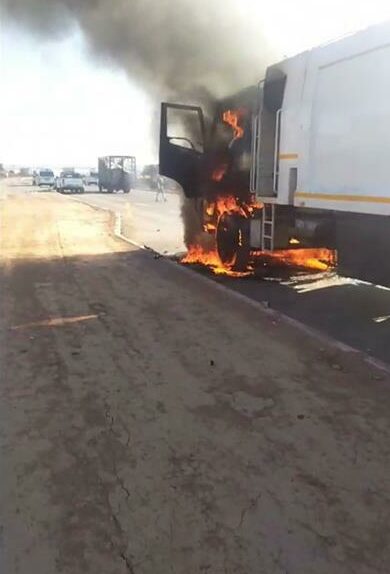
The strike also left customer service centres and Tshwane buses inoperable, while waste collection was disrupted and trucks torched, leading to city-wide illegal dumping by unserved residents.
The unlawful strike is being driven by worker demands for the implementation of salary increases for 2021 and 2023.
Tshwane metro spokesperson Lindela Mashigo confirmed that the Independent Municipal and Allied Trade Union (Imatu) had obtained an interim court interdict on Thursday, ordering Tshwane to pay its members their salaries before end of business by September 1.
“Tshwane only released the salaries of 84 employees who were applicants in the interim court interdict.”
Mashigo said the employees were not exempted from the no-work, no-pay rule, as a verification process was being carried out.
“Where it is found that they unduly withheld their services, deductions will be made from their future salaries.”
This as an interim court interdict was obtained against the South African Municipal Workers Union (Samwu) and its members on July 28.
Days later, Tshwane applied the no-work no-pay principle as service delivery was knocked to its knees.
Pay day arrived on August 25 and of about 16 000 workers, 451 had their salaries withheld for failure to render services, which resulted in court proceedings.
Imatu manager Lynette Burns-Coetzee said they obtained an urgent court interdict at the Johannesburg Labour court on August 31, ordering Tshwane to pay its members’ salaries.
“The salaries have been withheld since August 25 while the court ordered that the payment of withheld salaries should immediately be done on August 31 and must be paid by no later than 14:00 on September 1.
“Tshwane unlawfully and wrongfully withheld the salaries of 125 Imatu members.”
Burns-Coetzee accused Tshwane of failing to provide safety for the workers rendering services as during the 50 days, its members had been intimidated, threatened, and violently assaulted.
“Tshwane expects employees to show proof that they worked before being paid their salaries, whilst they had knowledge of intimidation and violence by striking workers at certain targeted workplaces towards working members.”
She said the war between Tshwane and the unions had been brewing since 2019, after senior officials awarded themselves an “18% increase” and employees were not remunerated as Tshwane had been upgraded to a category A metropolitan municipality at the time.
“After this was discovered that Tshwane did not increase the salaries of the rank-and-file workers, protest action erupted.
“Tshwane and unions were in talks for many days to try and contain that situation. The unions recommended that Tshwane recover the 18% increase from its senior managers, which did not happen. The parties eventually settled on the benchmarking exercise. Employees who were not paid on the correct benchmarked level were brought in line with the pay scale.
She said since the talks, many employees had received no adjustment in salary.
“It is this type of disinformation that the mayor is spreading that is leading to serious unhappiness amongst members.”
“The mayor’s continuous narrative in the press is disingenuous and devious. The mayor is creating a rift between residents and employees.”
On August 10, the metro applied for an exemption from salary increases to the South African local bargaining council.
Mayor Cilliers Brink said the collective agreement negotiated three years ago had an exemption clause in case Tshwane could not afford the increases.“Tshwane cannot afford a salary increase this year. Our budget is underfunded by at least R3 billion.
“The payment levels of consumers have not returned to pre-lockdown levels. We cannot sell enough electricity at high enough prices to cover the fixed costs of our electricity business and we have to manage our arrear accounts at Eskom, Rand Water and several other creditors.”
He said as strike action unabatedly continued, Tshwane was hiring contractors to fix leaks, restore electricity and repair sewer lines, adding that if it paid the salaries of employees while also paying contractors, it would incur fruitless and wasteful expenditure.
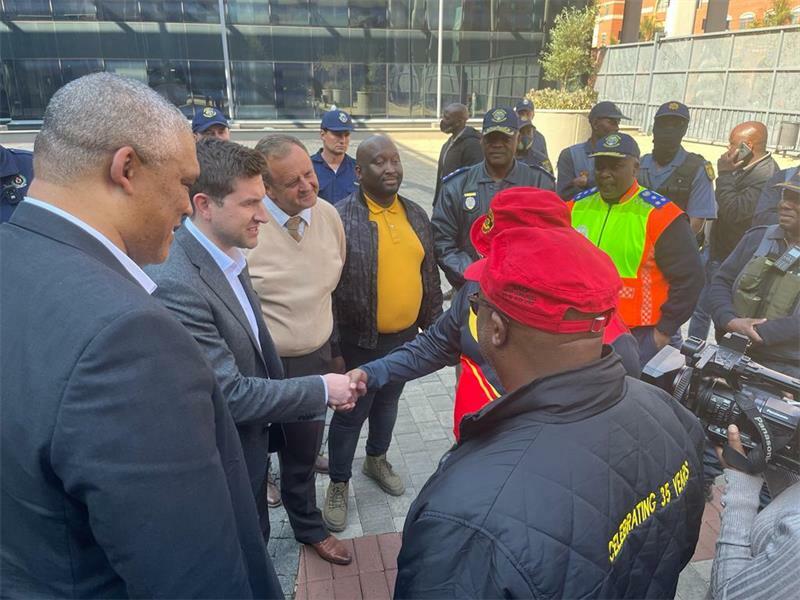
Brink said Tshwane had recalled the salary of 451 employees, 319 successfully.
“The remaining 132 salaries will be processed with September 2023 payroll.”
He said 122 employees affiliated to Samwu were dismissed, which reduced the metro council chamber in the Pretoria CBD into a violent battleground on August 31.
EFF Tshwane chairperson Obakeng Ramabodu demanded that the dismissed workers be reinstated.
He said it was evident that the workers in Tshwane were facing below-inflation-rate salaries.
“The lack of service delivery has resulted in refuse piling up on our streets, creating an unhygienic environment that poses health hazards. Power outages have become a daily occurrence, disrupting businesses and hindering economic growth,” he said.
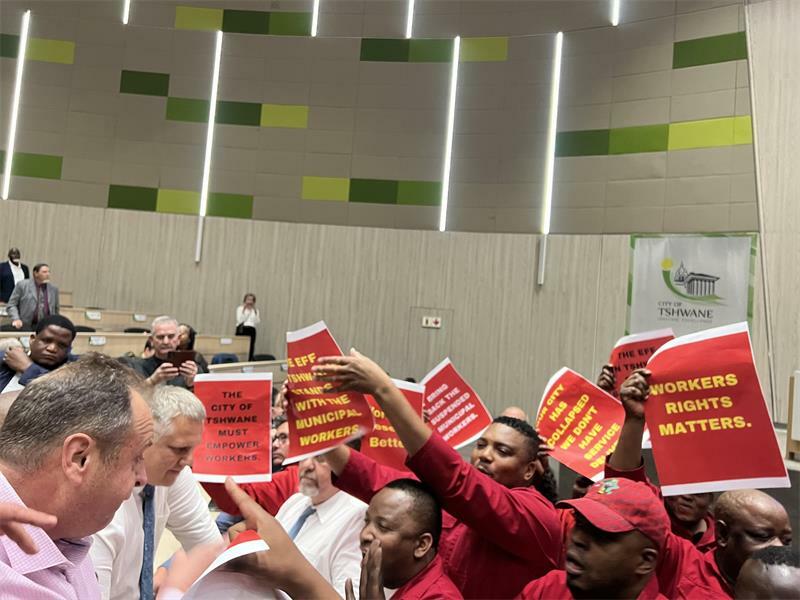
Things then turned violent after the council speaker adjourned the meeting, while the EFF members were showboating while holding placards and singing songs not complimentary towards multiparty governing coalition members.
The placards read: “Cut the mayor’s, MMCs, city manager’s salary and pay workers”.
Do you have more information about the story?
Please send us an email to editorial@rekord.co.za or phone us on 083 625 4114.
For free breaking and community news, visit Rekord’s websites: Rekord East
For more news and interesting articles, like Rekord on Facebook, follow us on Twitter or Instagram