Tshwane energy independence gears up a notch
The closing date for the request for information from interested independent power producers about operation of the mothballed power stations is February, 20, says Tshwane mayor Cilliers Brink.
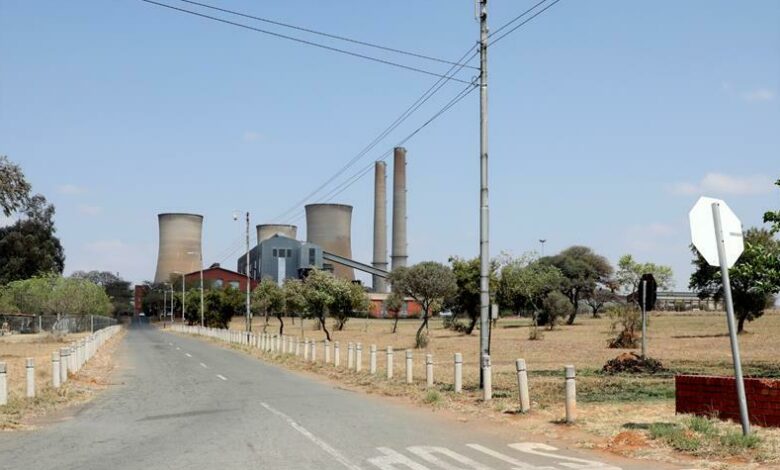
Tshwane has asked independent power producers (IPPs) who wish to operate its mothballed power stations to raise their hands as it pushes towards rescuing itself from Eskom’s hefty invoices.
Mayor Cilliers Brink said Tshwane has sent a request for information (RFI) notice to IPPs in a bid to secure an energy self-sufficient Tshwane.
He said interested IPPs should respond by February 20.
Brink said this was part and parcel of an ongoing effort to move Tshwane closer to energy independence and stabilise electricity supply to all communities.
“Tshwane has put out a RFI notice to potential IPPs who have an interest in alternative energy generation.
“The notice invites interested parties to submit information on alternative and renewable energy solutions and technologies that the city can use to become less reliant on Eskom.”
Brink said the notice was an important information-sharing process and one of the key steps in issuing a detailed and evidenced-based request for proposal (RFP) to diversify and secure our energy supply mix at the Pretoria West and Rooiwal power stations.
“The city is making progress in our journey to reduce the burden of load-shedding.”
*The RFI documents can be downloaded from www.tshwane.gov.za and www.etenders.gov.za
On January 25, the Tshwane council approved the recommissioning of the stations.
The proposed 40-year lease of Rooiwal and Pretoria West power stations is expected to bring about 1 000 MW of alternative energy to the metro in three years.
For 30 days from September 18, 2023, Tshwane had opened up public participation to residents to comment on the R200-million Rooiwal and R160-million Pretoria West projects.
The Tshwane property department noted three objections to the proposed lease among the more than 30 submissions made.
Brink said robust public engagements with stakeholders had yielded overwhelmingly positive responses.
“This indicates that our residents understand that we need to take drastic action to end load-shedding for an energy-secure future.
“The council approval is one of the six steps to get the two power stations running again.
“It marks a major milestone to move Tshwane closer to energy independence and stabilising electricity supply to communities.”
Brink said as part of the metro’s master energy plan, over the next three years about 1 000 MW of alternative energy would have to be secured.
“This has occasioned the need for Tshwane to engage with IPPs and open up opportunities for alternative energy production. So far, we are pleased with the transparent manner in which the leasing process is unfolding.”
He said given the scale of the transaction, city manager Johann Mettler would appoint an advisory team to ensure its maximum effectiveness.
“Every time a higher stage of load-shedding hits us, it destroys our infrastructure, leads to prolonged outages and frustration, and creates opportunities for cable theft.
“Pretoria West power station had the potential to be repurposed to enable a more renewable form of energy production that will support the revitalisation of the Pretoria West industrial hub in the precinct.
“The metro aims to operate the stations via a third party by means of a 40-year lease, with exploration for preferable alternative energy sources such as solar power or gas.”
In September last year, Brink said the stations were licensed to generate power and that Tshwane would begin operating them in a few years’ time.
“Tshwane is paying the price today for the lack of investment in infrastructure in the first decade of the municipality’s existence, and this has resulted in poor economic growth and stunted development.
The importance of being energy-secure has been a concern for Tshwane for close to a decade. Every day, rolling blackouts make us poorer, degrade our infrastructure and chip away at the funding model of local government, which has thus far depended on the electricity distribution business.”
He said load-shedding caused excessive wear and tear to infrastructure, depleted the maintenance budget and created proactive opportunities for criminals to attack and strip electricity installations.
“Tshwane does not currently have the technical or financial capacity to leverage the potential of these assets to enhance its energy security. We have deemed it necessary to create a mechanism to enable the private sector to present solutions through a request for proposals.”
Brink stressed that the power stations have not been fully operational for over eight years and upgrading them to become functional would require major investment.
ALSO READ: Soshanguve crash leaves 10 learners injured
Do you have more information about the story?
Please send us an email to editorial@rekord.co.za or phone us on 083 625 4114.
For free breaking and community news, visit Rekord’s websites: Rekord East
For more news and interesting articles, like Rekord on Facebook, follow us on Twitter or Instagram