E-tolls: Motorists still liable for what they owe
From April 11 midnight onwards, road users will no longer be charged for the use of the Gauteng e-toll routes.
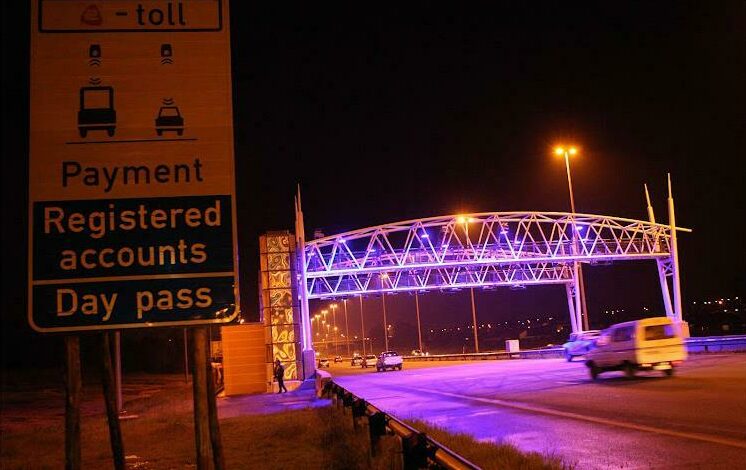
Road users will no longer be charged for the use of the e-toll network as of Friday, April 12. However, motorists are still liable for what they owe.
This essentially means that the 2008 Gazette that declared the upgraded Gauteng freeway network toll roads, has now been withdrawn and the controversial e-toll scheme will be a thing of the past.
Minister of Transport Sindisiwe Chikunga, Gauteng premier Panyaza Lesufi, chairperson of the SA national roads agency (Sanral) Themba Mhambi and its CEO Reginald Demana hosted a media briefing to address the scrapping of e-tolls.
Chikunga said the obligation to pay e-toll remains until midnight on April 11.
She announced the signing of a memorandum of agreement between the national and Gauteng governments as well as Sanral for a sustainable funding model for the province’s roads.
“The cancellation of the controversial e-toll system will have a significant impact on the maintenance of Gauteng’s road network. This agreement is an important step in ensuring these vital infrastructure assets are properly funded,” she said.
She said following the announcement by the national government that e-tolls have been officially cancelled, Sanral has resolved its long outstanding application for increased borrowing limits from the Treasury.
“This will allow the agency to approach the market to unlock funding from the private sector to fund its existing pipeline of capital expenditure projects.”
According to Chikunga, the existing e-toll infrastructure will be repurposed to improve several aspects of the Gauteng freeways.
“We emphasised that the government was already far advanced with its plan to repurpose the e-toll infrastructure to improve mobility, road safety, and combat crime,” she said.
She said the beeping tags will stop on April 12.
“E-toll invoices will be issued up until the last day. Due to potential delays in the postal system, invoices will still be received sometime after April 12. However, no transactions post-midnight on April 11 will appear on the invoice or statement,” she said.

The e-toll website will be updated concerning the cancellation, including mobility/tag account functionality for services such as interoperability and parking.
With the phasing out of the e-toll system, the national government is taking on the enormous financial burden of the Gauteng e-toll project.
Despite opposition from the public and critics of the scheme, Gauteng will be responsible for 30% of the project debt, which amounts to a reported R13-billion.
The national government will foot the remaining 70%.
Lesufi said the province would have loved to announce the scrapping of the e-tolls last year, however it prioritised service delivery.
“We got an offer from Treasury to deduct the agreed 30% from our annual budget. But as Gauteng, we asked for more time to come up with the money as we did not want to touch money meant for service delivery, schools or even healthcare,” said Lesufi.
He said the government would consult with a specialised team on motorists’ outstanding debt.
He denied promising motorists refunds.
“I was misrepresented when saying that the issue of debt was an outstanding issue that needed to be addressed.”
Lesufi has committed to a consultation process before any decision is made on the repayment of e-toll debt.
He acknowledged that a lack of consultation was a key factor in the public’s opposition to the scheme, and he is keen to avoid repeating the same mistake.
However, he also acknowledged that there are complex issues to consider, such as the impact on taxpayers and businesses and the role of SARS.
“It is clear that this is a challenging and multi-faceted issue and that the consultation process will be critical in shaping the outcome,” he said.
Lesufi said that while the roads will remain national roads as part of its agreement with The Treasury, the province agreed to handle road maintenance in preparation for further phases of the Gauteng freeway improvement project.
He added that while e-tolling will be scrapped, the e-tags and e-toll gantries will continue to be used repurposed.
“The gantries will be used for other purposes. Cameras are crucial in the fight against crime as they help in terms of tracking stolen vehicles, and road rule enforcement. Other infrastructure can continue being used – but discussions are ongoing.”
Demana said the e-tag would remain operational in all conventional plazas in the country.
He said Sanral would keep to its commitment of building a better country by maintaining road infrastructure.
“Road infrastructure maintenance and development have proven to be very important in the building of an economy.”
He said the agency has now received approval to go to the market and private sector to seek funding.
“We have received the green light to get an R16.5-billion borrowing limit from the market and a listed bond of about R15/16 billion from the JSE (Johannesburg Stock Exchange).”
He said that the upgrades to the Lynnwood and Garsfontein roads intersection will ensure that economic activity is not halted.
According to Demana, the e-toll debt at the end of December 2023 ballooned to R43-billion however this would be taken care of by the national and provincial governments.
He said the agency would use the borrowed money to maintain, expand and construct new roads and pay back the money through funds collected at conventional plazas.
The collection rate at these plazas is 99%.
Do you have more information about the story?
Please send us an email to bennittb@rekord.co.za or phone us on 083 625 4114.
For free breaking and community news, visit Rekord’s websites: Rekord East
For more news and interesting articles, like Rekord on Facebook, follow us on Twitter or Instagram