More than 30 000 petition against coal mining near Rietvlei
Environmental rights organisation Greenpeace Africa has put out a petition against the mining of coal by Corobrik at the Delmas Road quarry near a local nature reserve.
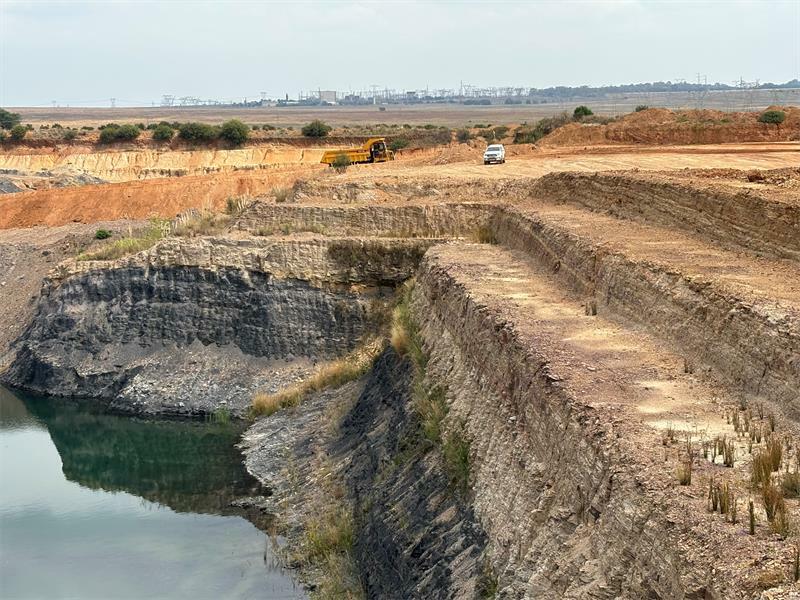
Environmental rights organisation, Greenpeace Africa, has received over 31 000 signatories to a petition against the Department of Mineral Resources and Mining (DMRE) granting a coal mining licence for a quarry adjacent to the Rietvlei Nature Reserve.
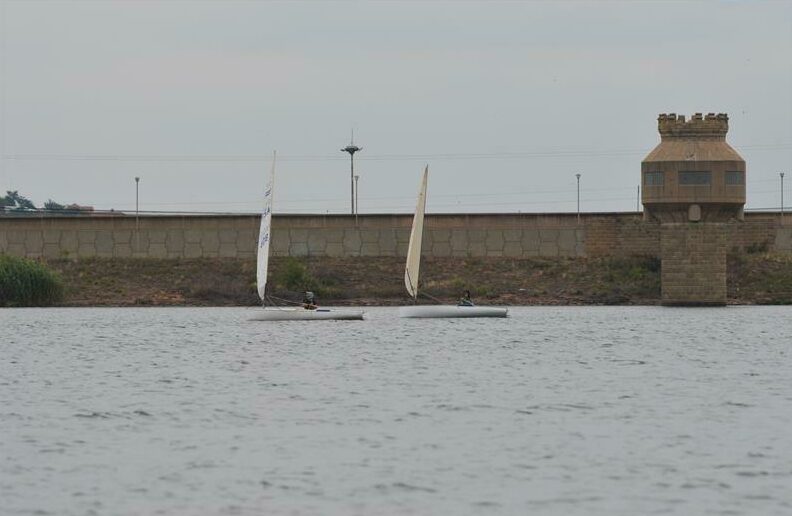
The reserve as well as the Rietvlei Dam is considered ecologically significant. It is home to diverse wildlife, including rhino, buffalo, cheetah, and various bird species.
The effect on the dam and reserve, and the impact on the underground water supply and aquifer, are some of the concerns of environmental activists and residents of Tshwane.
The DMRE granted the environmental authorisation necessary for the amendment of the existing mining right to include the mining of coal to brick-maker Corobrik in February this year.
The authorisation stipulates the requirements to be fulfilled by Corobrik to ensure compliance before coal extraction can commence.
The registered interested and affected parties were notified that an environmental authorisation had been granted on February 16.

Currently, the DMRE is managing the appeals against this authorisation.
Greenpeace Africa spokesperson Cynthia Moyo said the number of signatories to the petition is growing by the day. On April 19 it stood at 31 229.
“We will be delivering it to the authorities [DMRE and Tshwane officials] when people have had their say to show the government what people across South Africa are calling for about coal mining near nature reserves,” said Moyo.
She said it is important for Greenpeace to enter the fray on whether DMRE should grant Corobrik the right to mine coal next to a reserve.
“Our stand against coal mines and fossil fuel giants is not just a resistance movement. It’s a fight for our future, our environment and our dignity. We believe that as the world and Africa are seeing the effects of climate devastation and extreme weather, and while scientists are unanimously saying we need to end new extraction of fossil fuels, the last thing we need is more of the same coal extraction in South Africa,” she said.
She said the current generation has the opportunity not to make the mistakes of the global north.
“Across the world people taking action has brought about change and right here in South Africa we have seen some victories through petitions. From signing petitions to taking action on the ground – never underestimate the power of people holding leaders and corporations to account,” she said.
She said if a go-ahead is given, this would be disastrous for the environmentally sensitive area.
“We are a water-scarce country, and the Rietvlei [Dam] provides Tshwane with 15% of its water. The tiny bit of water that supplies South Africa is already under severe stress from pollution and other contaminants. The UN has recognised water as a fundamental human right,” she said.
“Coal mining in the already sensitive Rietvlei area risks both human and environmental ecosystems. Not only with water contamination by coal but also toxic air pollution by fine particles and gas emissions from stockpiling. Additional coal trucks travelling back and forth from the Corobrik clay mine, also add to emissions,” she said.
Greenpeace Africa said that the claim that the site has approximately only seven years of coal mining does not consider a lifetime of environmental damage it might leave.
“Apart from the global impact of climate change, coal mining also causes air, water, and soil pollution caused by the release of sulphur dioxide in the air, acidifying the water and releasing heavy metals into the soil. The effects of coal mining pollution are clear in arid landscapes, which once were lush and green with natural life. It is especially experienced daily by local communities through increased noise levels, respiratory health issues caused by black dust, and even the cracking and damaging of buildings,” said Moyo.
She said mining coal would be bad for the climate, biodiversity and wildlife, as well as, air and water quality.
“The go-ahead could have significant health impacts for people in multiple municipalities in the surrounding area. We must stand together to protect the reserve, keeping the wildlife and ecosystem safe and say no to Corobrik and coal mining,” said Moyo.
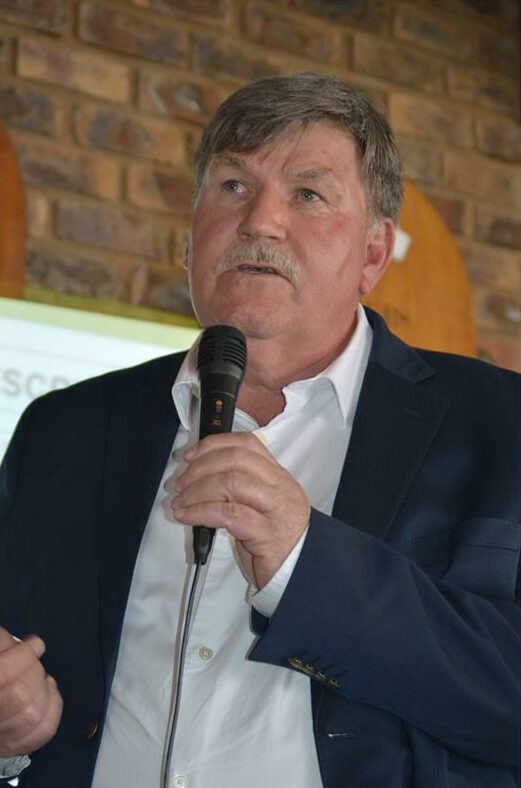
Corobrik CEO Nick Booth said that the company has always done its mining in compliance with all regulations and will continue to do so.
He said that in mining clay the coal will be exposed and therefore will always pose a risk.
“The safest and least impactful on the local environment is to remove the coal from the site. The other factor that needs to be taken into consideration is that while our coal estimates are only for seven years, we will be mining clay for the next 35. This means that our Rietvlei factory will continue to be a viable clay brick-making factory until at least 2050. The quarry will always be managed to minimise the environmental impact,” he said.
Booth said the company has already applied for a mining licence.
“The public participation and the appeals process are at present being carried out by the DMRE,” he said.
“It is a complex issue,” noted Booth. “We have no long-term plan around the coal. It is really a case of removing what is in our way so we can mine the clay to our best advantage in terms of running the brick factory. The coal is actually an obstacle at this point.”
He said the company’s water use application has been revised to incorporate the necessary controls and measures to include coal mining.
– Click here to see more details about Greenpeace Africa’s petition: https://pages.greenpeaceafrica.org/stop-new-coal-mine-near-rietvlei-nature-reserve
Do you have more information about the story?
Please send us an email to bennittb@rekord.co.za or phone us on 083 625 4114.
For free breaking and community news, visit Rekord’s websites: Rekord East
For more news and interesting articles, like Rekord on Facebook, follow us on Twitter or Instagram