Metro blames private companies for delays in paying workers
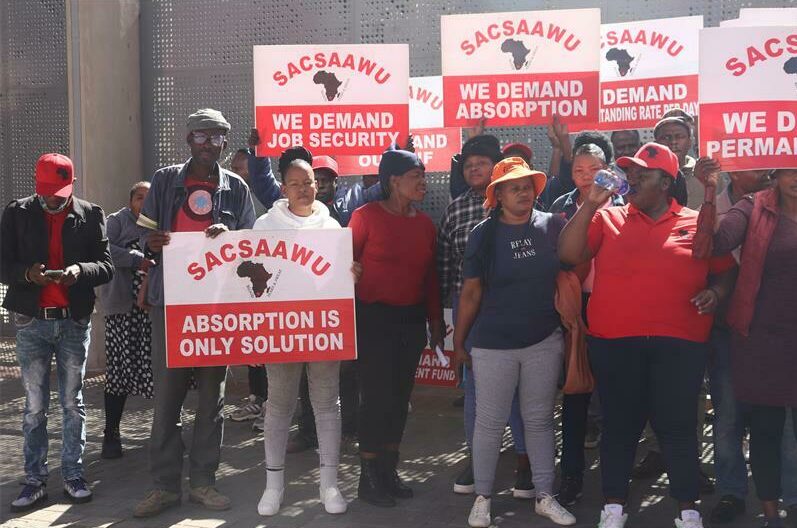
Security guard and cleaner union members picketed at Tshwane House last week in protest after not receiving their salaries for three months.
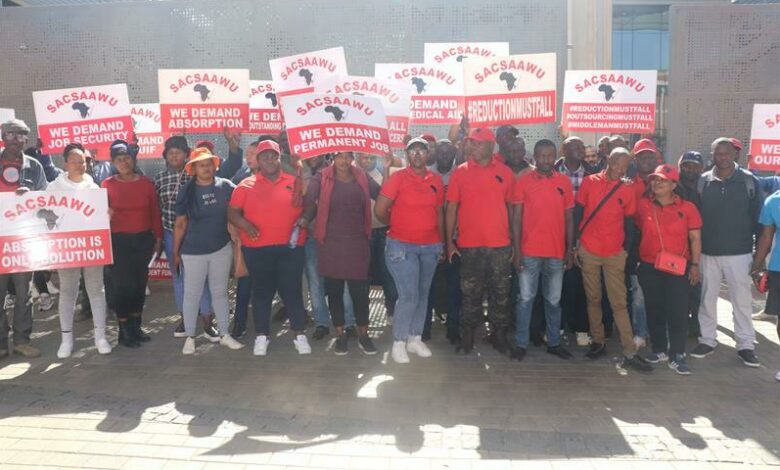
The Tshwane metro insists it is not the cause of delays in payment of workers’ salaries.
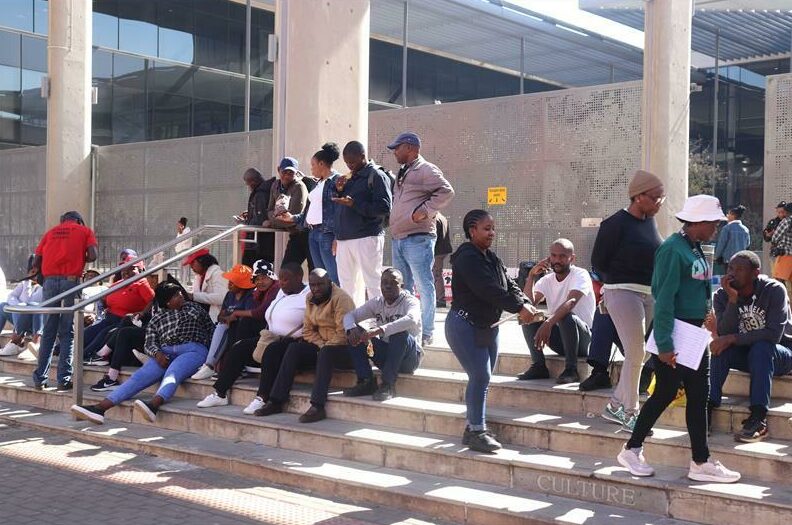
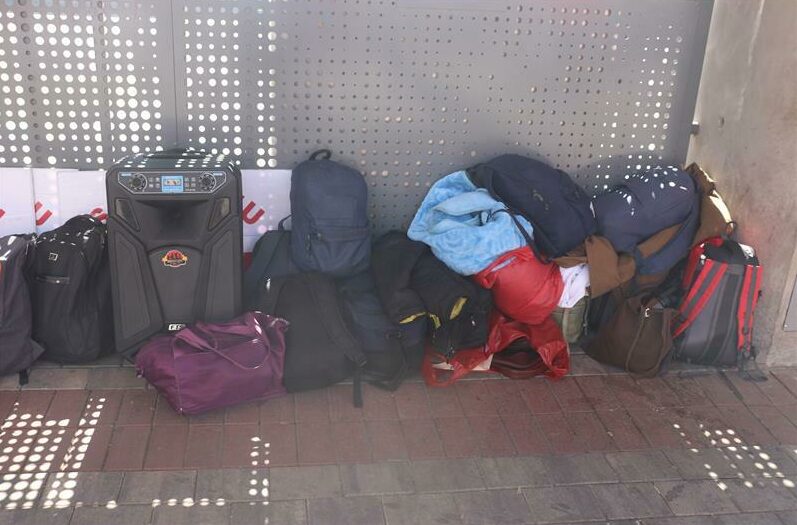
This after members of the South African Cleaners, Security and Allied Workers Union (SACSAAWU) picketed at Tshwane House last week in protest after not receiving salaries for three months. The workers were prepared to sleep at the premises if needed.
The overnight protest took place on July 24 prior to the council sitting scheduled for the next day.
SACSAAWU Secretary General, Andries Potsane said that non-payment of salaries is not only affecting the union but the families of workers.
“Without a salary, there’s nothing that you can do. You can’t even go to work. We decided that as a union, the only thing we could do was go and camp outside Tshwane House until we were paid. Failure to pay us will result in the camp continuing,” Potsane said.
He said the politics of who is supposed to be paying the workers is a matter between the metro and the private companies employing these workers.
“There is a political game that Tshwane and these companies are playing and we don’t know why, maybe that could be the reason because of issues such as the vote of no confidence and those things. They just want workers to resort to violence, but we are not part of that. Our issue is salaries. We want our members to go back to work and not without their salaries because families need to survive with that salary.”
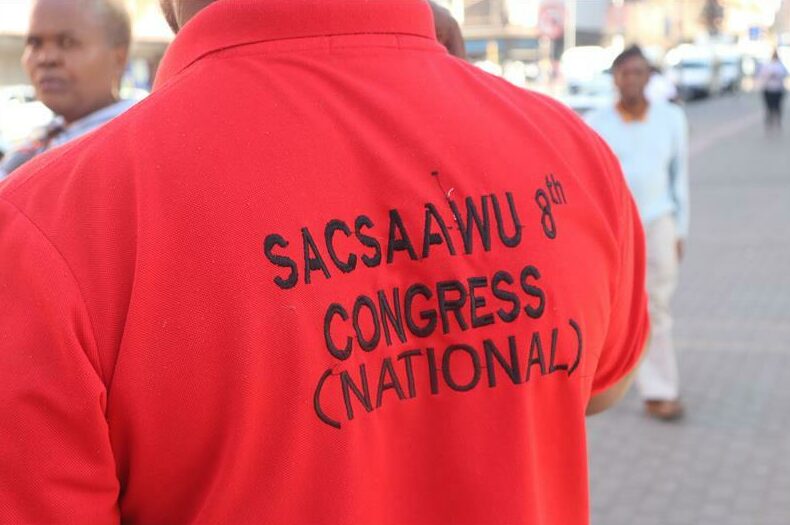
Potsane said that whenever there were complications with payments, it’s always the security guards and cleaners that suffer the most, while other departmental workers are paid on time.
“Other companies manage to pay their workers, it’s only a few companies that haven’t paid the workers their salaries. Just imagine, we’re talking about plus-minus three months with no salary. We have policies, debit orders, stop orders, all those things and if you don’t have a salary, it’s going to affect even your credit. Some policies have lapsed, some kids are not going to school because they don’t have lunch, this is a big problem,” he said.
One such worker from Eastlynne, security guard Khodane Ratshilumela, said she hasn’t been paid in two months and it’s causing an array of challenges.
“It’s really tough, the policies have collapsed and we owe rent. We don’t have food and we’re being forced to go to work without being paid. It hurts a lot, just arriving at Tshwane House was difficult, others got paid, and we want our money as well,” she said.
The workers were eventually paid their salaries on the day of the protest and in response to Record, the metro’s media team said the metro was not aware of the protest at all.
As this was not the first time that workers have had to resort to such measures for their salaries, Record inquired if any measures were being put in place to end the reoccurring issue, to which the metro responded: “What’s the long-term [solution] in place to quell this reoccurring issue? This can be best responded to by the contracted companies.”
Do you have more information about the story?
Please send us an email to bennittb@rekord.co.za or phone us on 083 625 4114.
For free breaking and community news, visit Rekord’s websites: Rekord East
For more news and interesting articles, like Rekord on Facebook, follow us on Twitter or Instagram