Theft of electricity, cable costs metro over R800m a year
The ongoing illegal electricity connections, cable theft and vandalism have cost the metro over million in less than a year for repairs, disrupting service delivery to ratepayers.
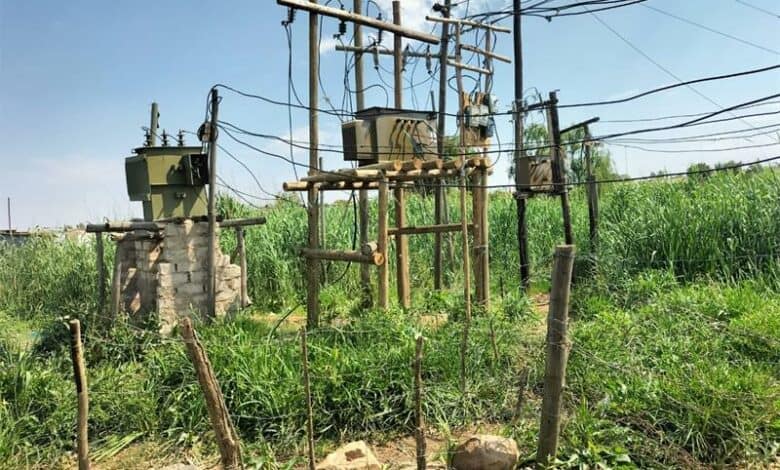
Tshwane is seeking legal advice on bringing criminal charges against homeowners or tenants who steal electricity by tampering with the meter.
According to the metro, the delinquent residents and criminals remove the fuse, swap transformers around or cut wires to the counter, which costs the metro money for repairs.
Criminals and rogue residents are systematically dismantling the city’s essential infrastructure through acts of cable theft, illegal connections, and vandalism that leave service delivery in tatters and cause damage in the millions.
The metro said the cost of energy loss in Tshwane is estimated at over R800-million a year.
The ongoing illegal electricity connections, cable theft and vandalism repairs as well as disruption to service delivery to ratepayers have cost the metro over a million in less than a year.
Losses have increased from the estimated R470-million in the 2022/2023 fiscal year to over R800-million in the 2023/2024 financial year.
Tshwane spokesperson Lindela Mashigo said the figures are estimates but are currently being audited by an independent body after which the exact figures will be provided.
“Tshwane metro is grappling with a problem of electricity theft that threatens public safety and the electrical infrastructure.”
Mashigo said the cable theft figures are being compiled from the regions however are estimated to have cost over R10- million, including vandalism to infrastructure across the city.
“The stoppage of load-shedding has resulted in a significant reduction in cable theft that used to take place during the time of load-shedding.”
According to Mashigo, the budget for repairs for vandalised essential electricity infrastructure was money that should be channelled towards service delivery.
Mashigo said in the last financial year, it was estimated that R10-million was used to replace and repair damaged electrical infrastructure and stolen cable.
“It is currently estimated that repairs and replacement costs to the city are over R10-million, but once audited figures and consolidated insurance claims are completed, the actual figures will be provided.”
Mashigo said the metro has resolved to start a massive weekly campaign of illegal connections removal across the city.
“The municipality is determined to reduce theft of electricity through illegal connections and tampering with meters.”
He said the city has adopted a zero tolerance for meter tampering.
“In this financial year, over R50-million of tamper fines were issued, prepaid meters removed and power disconnected.”
He said the metro had collected close to R30-million in tamper fees from customers.
He warned customers against tampering with their meter.
Mashigo said a dedicated metro police unit that deals with cable theft and vandalism had made arrests for tampering.
Lucky Bean Crescent in the east of Pretoria is one of the suburbs besieged by electricity theft.
Brazen attacks on electricity infrastructure, described as a disaster and destruction of ratepayer lives, have occurred there regularly.
Mashigo said in the 2023/24 financial year, 41 incidents of theft were reported in the area, and the repair work cost the city R3.6-million.
He said as a result metro police have been deployed to patrol the area.
“Tampering with electricity infrastructure leads to loss of revenue for the city, which is tantamount to economic sabotage, and customer frustration. [It causes] unplanned power supply interruptions as well as loss of integrity due to unreliable service delivery caused by these acts of vandalism to the city’s infrastructure.”
Mashigo said the metro has applied for permission to convert the underground cable to an aluminium overhead line at the cable theft hotspot on Delmas Road.
He said Tshwane was driving an awareness campaign aided by ward councillors on the consequences of illegal connections, including its accompanying dangers for criminals and residents alike.
Energy expert Chris Yelland warned that electricity theft and illegal connections are dangerous.
Yelland recounted a tragic incident in Johannesburg where a young girl was killed as a result of an illegal connection.
“The girl was walking barefoot when she was electrified by exposed electricity wires in the field,” he said, adding that the illegal connectors had left the wires exposed.
He said the consequences of illegal connections include overloading of the distribution infrastructure and cable-, transformer-, and switchgear failures.
He said this results in extended power outages and equipment damage.
Yelland further said, that illegal connections encourage wasteful electricity use, as those who don’t pay for electricity have no incentive to use it efficiently.
“It means some people are getting electricity for free while others have to pay an extra price,” he said.
“Stealing electricity affects everyone paying for electricity and it’s pushing up the electricity cost.”
Do you have more information about the story?
Please send us an email to bennittb@rekord.co.za or phone us on 083 625 4114.
For free breaking and community news, visit Rekord’s websites: Rekord East
For more news and interesting articles, like Rekord on Facebook, follow us on Twitter or Instagram