Police operation leads to Pretoria store shutdown for non-compliance
The operation was part of an ongoing effort to ensure that local businesses, including tuckshops, adhere to by-laws and prioritise public safety.
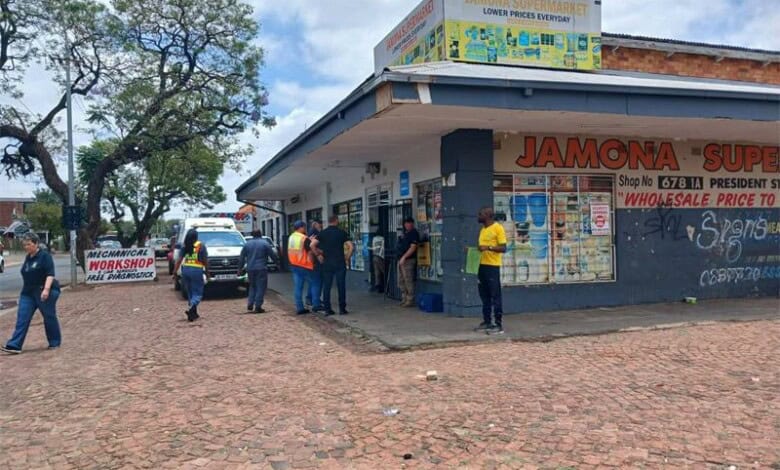
A store in Pretoria North was forced to shut its doors on November 15 for being non-compliant with health and safety regulations.
The police were conducting a joint operation in collaboration with the Tshwane Metro Police Department (TMPD), CPF patrollers and security companies.
The operation was part of an ongoing effort to ensure that local businesses, including tuckshops, adhere to by-laws and public safety.
Supported by the Social Crime Prevention Unit, sector managers, and environmental inspectors from the Tshwane Metro, the team inspected several tuckshops in the area.
Pretoria North (SAPS) social crime prevention co-ordinator Sergeant Tumishang Moloto said one tuckshop was ordered to close immediately after health inspectors discovered food items that were rotten and still on display for sale.
Moloto said the store fridges contained products without visible best-before dates, raising concerns about the potential health risks to customers, if they were to consume the products.
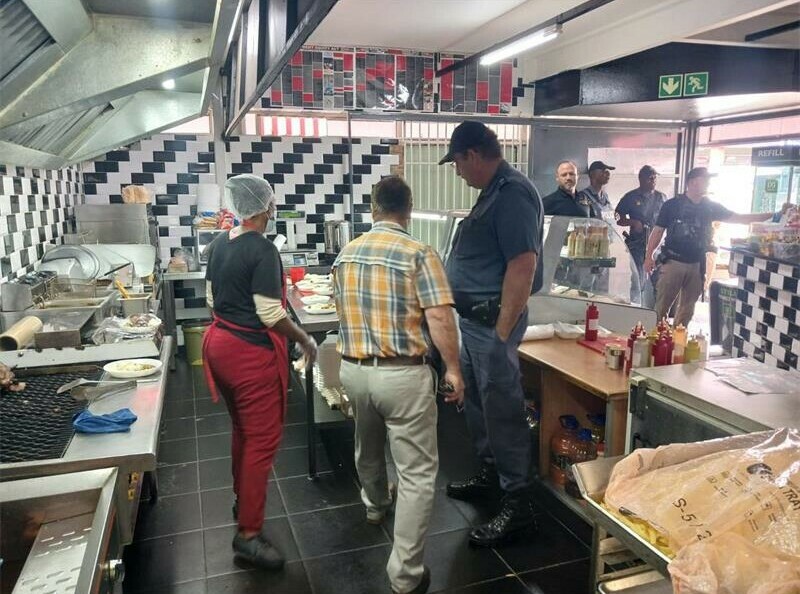
“The owner was unable to provide health certificates or hazard analysis and critical control points documentation, which are crucial for ensuring food safety standards,” said Moloto.
Moloto said non-compliance poses a serious threat to public health, especially in a community where tuckshops are relied upon for daily necessities.
“This operation is part of a broader effort to safeguard the public from potential health hazards.
We will continue to enforce strict adherence to by-laws and ensure that businesses operating in our community meet the required standards.”

While the affected tuckshop faced immediate closure, other businesses were fined for failure to meet various by-law regulations.
Tshwane MMC for Health Tshegofatso Mashabela said the metro is facing a growing crisis that threatens the health and well-being of its residents.
According to Mashabela counterfeit food products have infiltrated the local market, putting consumers at risk of ingesting harmful substances.
“In communities like Soshanguve, Mamelodi, Olievenhoutbosch, Bronkhorstspruit, Hammanskraal and Atteridgeville where food insecurity is already a major concern, residents are unwittingly purchasing dangerous goods from convenience shops.
These shops, which are often the only accessible source of affordable food, are increasingly stocking counterfeit products pushed by criminal syndicates. The convenience shop industry has become a vulnerable target for exploitation,” said Mashabela.
Mashabela said without adequate regulation and oversight, these businesses are open to manipulation by criminal groups seeking to profit from the sale of unsafe food products.
She said residents must protect themselves from counterfeit food as follows:
– Only buy food from licensed, regulated shops.
– Check products for proper labelling and expiration dates.
– Be wary of extremely low prices, as they may indicate a counterfeit product.
– Report any suspicious activity to the authorities immediately.
“The City of Tshwane will not tolerate any actions that put the health and safety of Tshwane residents at risk.
We will work diligently to enforce all relevant laws and regulations, ensuring that those who seek to profit from the sale of dangerous goods are held accountable. Our priority is the protection of our community. The suffering of others has no place in our city.”
Do you have more information about the story?
Please send us an email to bennittb@rekord.co.za or phone us on 083 625 4114.
For free breaking and community news, visit Rekord’s websites: Rekord East
For more news and interesting articles, like Rekord on Facebook, follow us on Twitter or Instagram