Students showcase solutions to food waste
Local students showcased solutions to food waste as Tshwane is one of the South African cities with a high waste per capita per year, estimated at 134kg per resident per year.
Local students showcased solutions to food waste as Tshwane is one of the South African cities with a high waste per capita per year, estimated at 134kg per resident per year.
This came to light at the University of Pretoria (UP)-Cycled #waste2wonder event held at the Department of Consumer and Food Sciences on November 16.
The event served to celebrate the creativity of fourth-year students in departments like hospitality and retail to produce sustainable products. They also had to prepare a three-course meal for more than 100 guests from food and produce that would normally be discarded.
Non-profit organisation, SA Harvest, has been working with the department to look for ways students can adapt food and products they salvage to reimagine waste.
The organisation is committed to ending hunger and reducing waste.
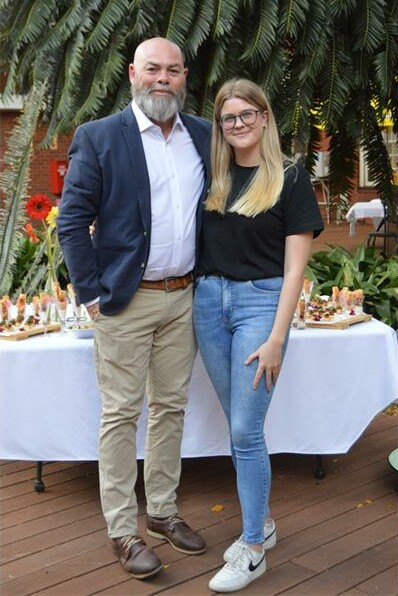
COO Ozzy Nel said they are always surprised by the innovative way students approach challenges around redirecting products and food.
“We believe in building deep-rooted relationships with marginalised societies to redirect produce to the most vulnerable,” said Nel.
According to him, the organisation has been addressing food waste through its rescue operations, education and sustainability programmes since 2019.
It uses both refrigerated and unrefrigerated vehicles to efficiently collect food donations and deliver them safely to beneficiary organisations.
Head of the department, Prof Gyebi Duodu pointed out that the students’ approaches to minimise food waste were “quite tremendous and showed that a good foundation was laid for them to enter the food industry”.
Referring to the evening’s theme of corroborative sustainability, he said: “This is a mind shift we need in South Africa if we want to move towards zero hunger”.


It is estimated that in 2022 the total global food waste amounted to 1 052 million tonnes.
In South Africa, the commodity group of foods leading to the most food waste are fruit and vegetables, with the biggest loss leading to waste being the processing and packaging of these products.
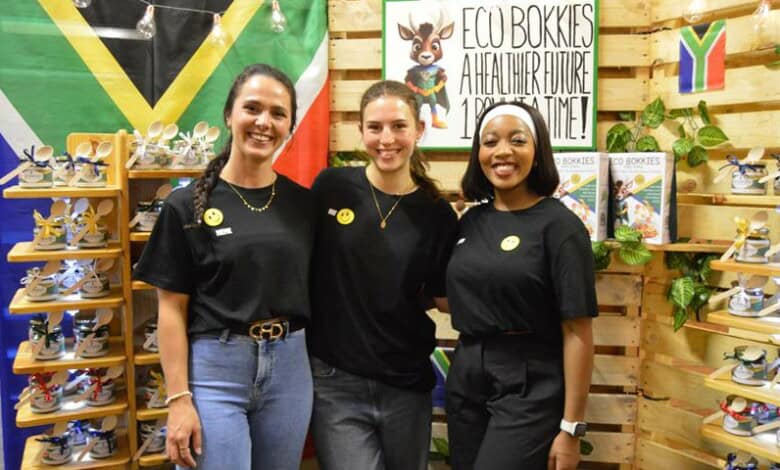
Students exhibited various products showcasing their solutions to reducing food waste.
On the shelves at the event were products like grape chilli jam that showed by upcycling damaged grapes, businesses could create a variety of products transforming waste into a valuable product.

Another team of consumer scientists tapped into a trend and developed a smoothie powder made from fruit and vegetables that would otherwise be wasted.
Fruit and vegetables often too bruised for the supermarket shelves, or which had slight imperfections, all became the key ingredients to their powders after being dehydrated to extend shelf-life and then turned into a powdered form. The powder can then be added to water, milk or yoghurt.
Food scientists were also joined this year by students who had innovative solutions for products around food waste like plastic bread packets.
They found ways to salvage these and made products like clothes and household products from the sponsored blue and red bread packets.

The winner of the competition walking away with R1 500 was Nondumiso Mthembu, a fourth-year student who used the bread packaging to produce a crocheted picnic blanket and cushion for an outing.
Mthembu is also proud of other work she is doing in the textile department, creating clothes from denim with embroidery done by non-profit organisation, Mabula Embroidery.
“We create a new sort of fashion by giving the clothes a unique look by fitting the embroidery onto the garments and thus also learning from the embroiders,” said Mthembu.
Do you have more information about the story?
Please send us an email to bennittb@rekord.co.za or phone us on 083 625 4114.
For free breaking and community news, visit Rekord’s websites: Rekord East
For more news and interesting articles, like Rekord on Facebook, follow us on Twitter or Instagram