CPR must-know tips for your summer
CPR is the process of reviving the heart and lungs to restore blood flow and oxygen to vital organs.
As the festive season is underway, many will be visiting their favourite holiday destinations.
Knowing how to perform CPR is a must in the case of emergencies.
CPR stands for cardiopulmonary resuscitation. “Cardio” refers to the heart, “pulmonary” relates to the lungs and “resuscitation” means to revive. It is the process of reviving the heart and lungs to restore blood flow and oxygen to vital organs, particularly the brain, during cardiac arrest (which means the heart has stopped beating).
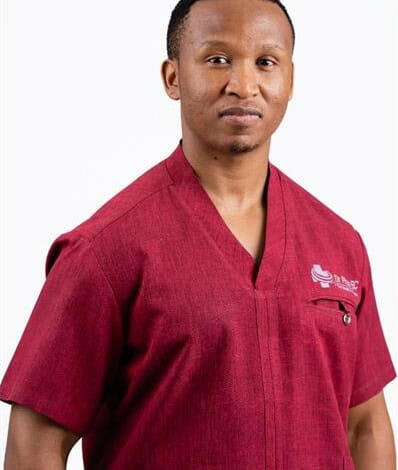
Andrew Thabiso Pitso is the sole managing director of Dr A. Pitso Emergency Centre in Sunnyside.
He says that not only should CPR techniques be well-known to residents, but they should also become a part of the curriculum taught in schools.
“Everyone should know how to perform CPR. It’s a life-saving skill that should be taught in schools as part of the basic curriculum. Cardiac emergencies can happen anywhere – at home, work, the mall or on the street. With basic knowledge and the right technique, anyone can make a life-saving difference when it matters most,” Pitso said.
“CPR should be administered when a person is unresponsive, has no pulse, and is not breathing. These signs indicate cardiac arrest and immediate action is crucial,” Pitso said.
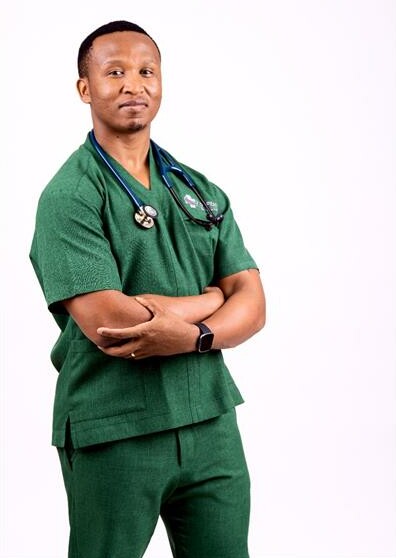
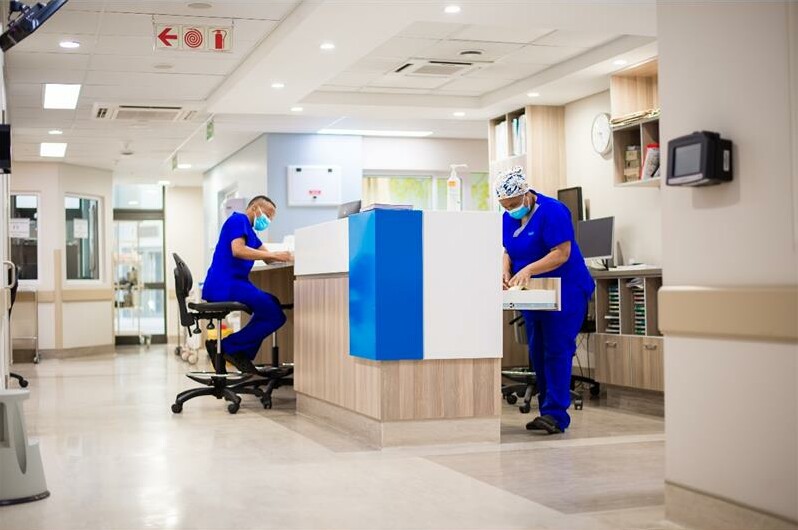
Dr AT’s Emergency Centre began during the height of the Covid-19 pandemic on October 1, 2020. It has been operating for four years, currently treating between 12 000 to 13 000 patients annually.
Some of the most common issues they see among residents are those with complications from lifestyle diseases such as heart conditions, strokes and diabetes-related emergencies.
They also manage trauma cases, particularly those resulting from motor vehicle accidents, which range from isolated injuries like head or chest trauma to more severe polytrauma. Additionally, they frequently attend to podiatric emergencies.
“There are many cases that come in my mind right now that we dealt with in our emergency centre that made a huge difference between life and death, most importantly during the Covid-19 pandemic where a timely CPR saved many lives. I have seen multiple patients with cardiac arrest regain their pulse after effective chest compressions. These cases highlight the very saving power of adequate CPR,” Pitso said.
To become certified in CPR, you must complete a course from an accredited institution such as the Emergency Medicine Society of South Africa, Claasen & Claasen or BLS Medical. Certification ensures that you have the skills and confidence to perform CPR correctly.
Pitso has tips should you find yourself in an emergency and not know how to perform CPR:
– Call for help: Shout for nearby help.
– Check for responsiveness: Tap their shoulders and ask, “Are you okay? Can you hear me?”
– Check for breathing and pulse: Feel for a pulse on the neck and look for breathing. If there is no breathing, start compressions immediately.
– Call emergency services: Dial 10177 and put the phone on speaker while doing chest compressions, or ask someone to call for you.
How to do CPR:
– Kneel beside the person and place the heel of one hand on the centre of their chest.
– Place your other hand on top, interlocking your fingers.
– Push hard and fast, at a rate of 100-120 compressions per minute, pushing at least 5cm deep and allowing the chest to fully recoil after each push.
– Do not stop: Keep going until a trained medical professional or emergency responders take over.
Key points to remember:
– Don’t worry about “doing it wrong” – doing something is far better than doing nothing.
– Act fast: Call for help and start compressions immediately. You don’t need to remember every step perfectly.
“Even an untrained person can double or triple someone’s chance of survival if they act quickly and follow these basic steps,” Pitso said.
Regarding the common illnesses that the centre treats, Pitso recommends residents make use of the following lifestyle changes:
– Take your chronic medication as prescribed: Skipping medication for conditions like hypertension, diabetes or epilepsy can lead to avoidable emergencies.
– Maintain a healthy diet and stay active: Reduce sugar, processed foods, and unhealthy fats. Eat more fruits and vegetables and consult a dietitian if needed.
– Incorporate at least 30 minutes of physical activity 3-5 times a week – even a simple walk can improve your overall health.
– Limit alcohol consumption and avoid smoking: Excessive alcohol use and smoking are major contributors to heart and lung diseases. Reducing or cutting them out significantly reduces your risk of needing emergency care.
– Stay hydrated and get enough sleep: Proper hydration and adequate sleep are essential for both physical and mental well-being, but are often neglected in busy lifestyles.
– Manage stress and mental health: Chronic stress can increase emergency visits due to its impact on heart health and overall well-being. Prioritise mindfulness, and breathing exercises, and seek professional help if needed.
– Go for routine health checkups: Regular checkups help catch conditions like hypertension, diabetes and elevated cholesterol before they become emergencies.
“Remember: Prevention is always better than cure. By taking these small steps toward a healthier lifestyle, you can avoid unnecessary trips to the emergency centre and improve your long-term health,” Pitso concluded.
Do you have more information about the story?
Please send us an email to bennittb@rekord.co.za or phone us on 083 625 4114.
For free breaking and community news, visit Rekord’s websites: Rekord East
For more news and interesting articles, like Rekord on Facebook, follow us on Twitter or Instagram