What are your rights at a roadblock?
Roadblocks focus on road safety, but motorists should be aware that authorities can also check for outstanding fines and arrest warrants.
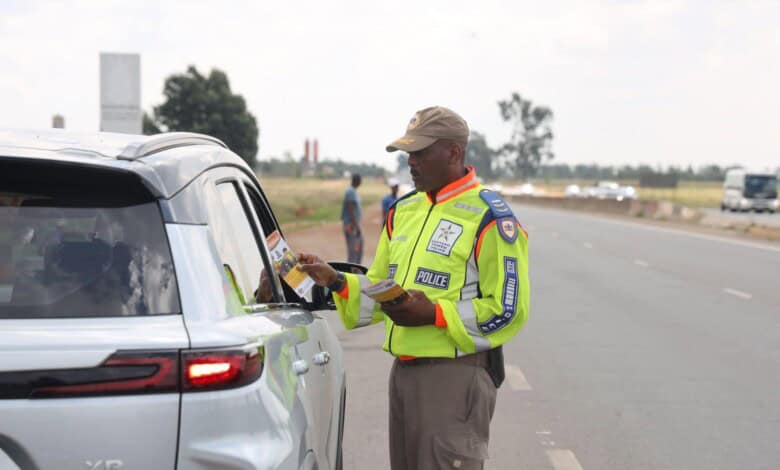
Roadblocks are designed to ensure road safety by targeting drunk drivers, speeding vehicles, and unroadworthy cars, but motorists should also be aware that authorities can check for outstanding traffic fines and arrest warrants.
It’s important for drivers to know their rights during these stops.
According to Simon Zwane, the chief communication officer of the Road Traffic Management Corporation (RTMC), roadblocks are also used to identify cars implicated in a crime.
Here are some key points to keep in mind when stopped by traffic officers at a roadblock.
Here is a closer look at the key points:
- Law enforcement officers are authorised to search any person at a properly sanctioned roadblock, even without a warrant. ‘Officers can search any person at a ‘roadside check’ without a warrant, if you consent to a search or if they have reasonable grounds to do so; they may also seize any ‘contraband’ or evidence without a warrant at a roadblock,’ the RTMC stated.
- Traffic officers have the authority to issue an infringement notice, which is a ‘fine’ under the Criminal Procedure Act or the AARTO Act, if a vehicle or driver is found to violate the law.
- Officers may also issue a notice to discontinue the use of a motor vehicle if it is deemed unroadworthy, or they may impound it if the vehicle poses a danger to other motorists or is operating in violation of public transport permit regulations. Traffic officers can also arrest anyone they suspect has committed, or is about to commit, an offence which has been listed in Schedule 1 of the Criminal Procedure Act, without a warrant of arrest.
- During a roadblock, officers can arrest any individual if a warrant of arrest has been issued by a court.
- Traffic officers are not permitted to engage in physical or verbal abuse, nor can they damage your property.
- With the implementation of the Aarto system, you are not required to pay traffic fines immediately at a roadblock, and you will not be arrested for any outstanding fines.
Keep in mind that failing to pay a traffic fine on time will result in it becoming an enforcement order.
An enforcement order essentially blocks motorists from renewing their driver’s licence and their vehicle licence disc.
Motorists should note they have the right to request to see an officer’s certificate of appointment, which authorises them to act as a peace officer.
They may demand proof of a warrant of arrest if one is claimed to exist, and motorists may refuse to submit to searches unless reasonable grounds for the search are provided.
The RTMC encourages motorists to keep the following emergency numbers readily available:
• 112 – All emergencies from a cellphone
• 10111 – Police
• 10177 – Ambulance
• 0800 055 555
• 083 293 7989 – Traffic anti-corruption WhatsApp line
• 012 999 5407 – Bad Driving and anti-corruption
• 012 846 4590 – Hawks
Also read: Will new speed limits be implemented in Pretoria?
Do you have more information about the story?
Please send us an email to bennittb@rekord.co.za or phone us on 083 625 4114.
For free breaking and community news, visit Rekord’s websites: Rekord East
For more news and interesting articles, like Rekord on Facebook, follow us on Twitter or Instagram