Schubart Park to be rejuvenated by 2027
Tsoseletso Consortium aims to convert the building into student accommodation, low-income housing and retail stalls.
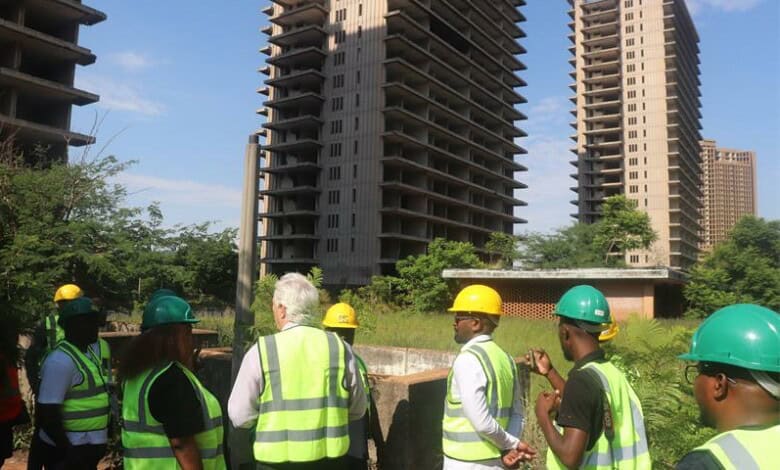
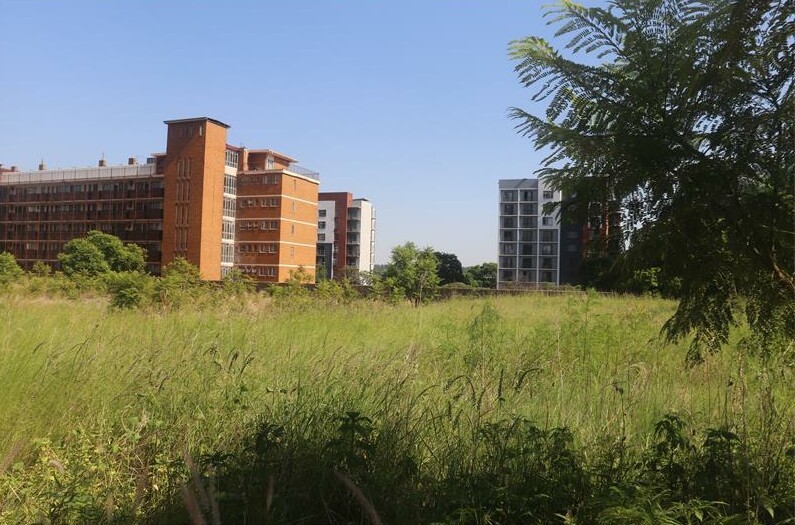
The Tshwane Metro recently reached an agreement with the Tsoseletso Consortium to develop Schubart Park building.
The consortium plans to convert the building into student accommodation, affordable low-income housing and retail stalls with in the building in the next two years at the cost of over R1 billion.
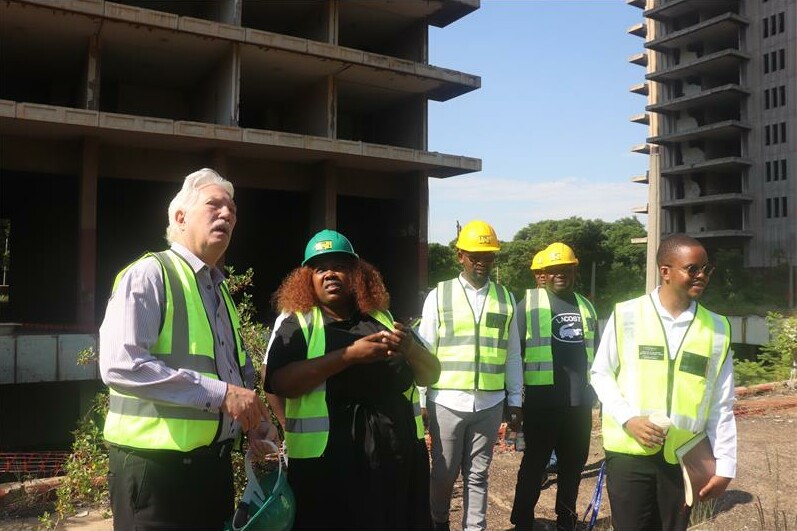
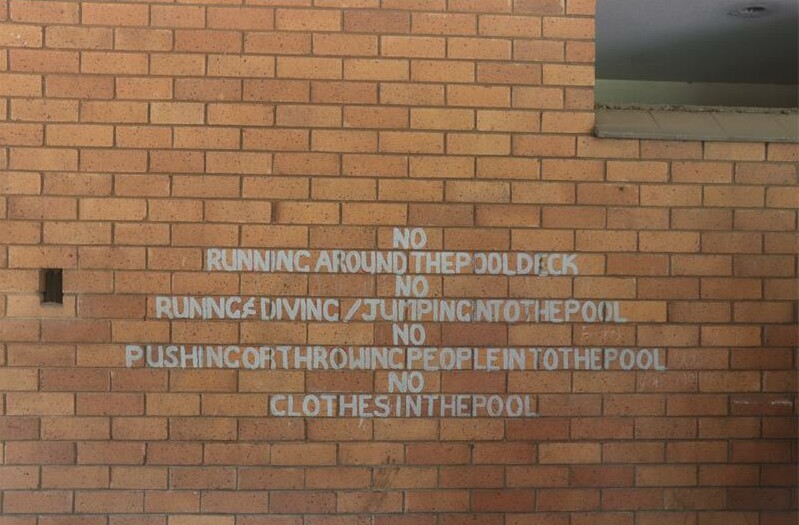
Sifiso Madungandaba of Tsoseletso says Schubart Park bears historical significance in Pretoria though it has fallen into disrepair in recent years.
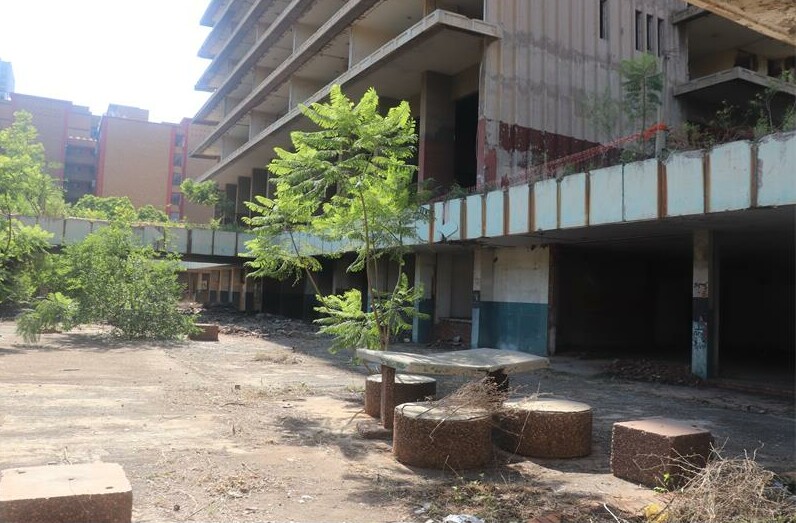
“Over the years, like many cherished public spaces, Schubart Park has faced challenges. Time and neglect have taken a toll and the complex is no longer in a state that serves our community,” Madungandaba said.
Schubart Park was built in the early 1970s and its first occupants arrived in 1976.
The initial tenants were mainly middle-income individuals, government officials and professionals working in the CBD.
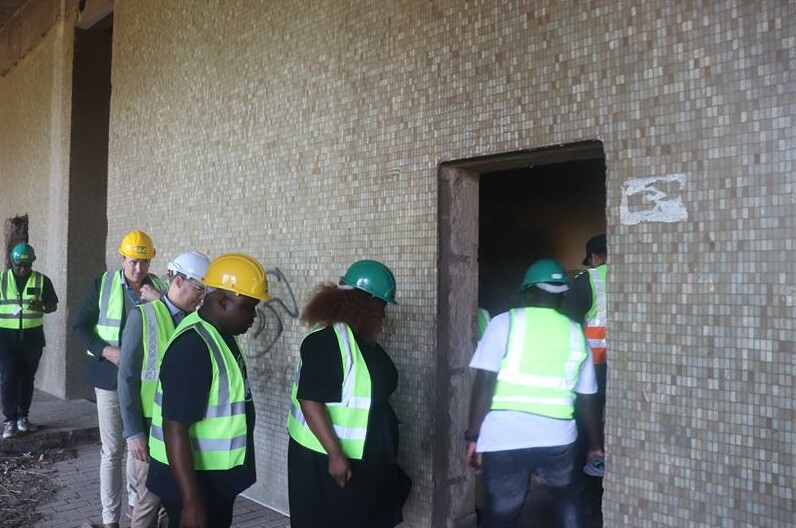
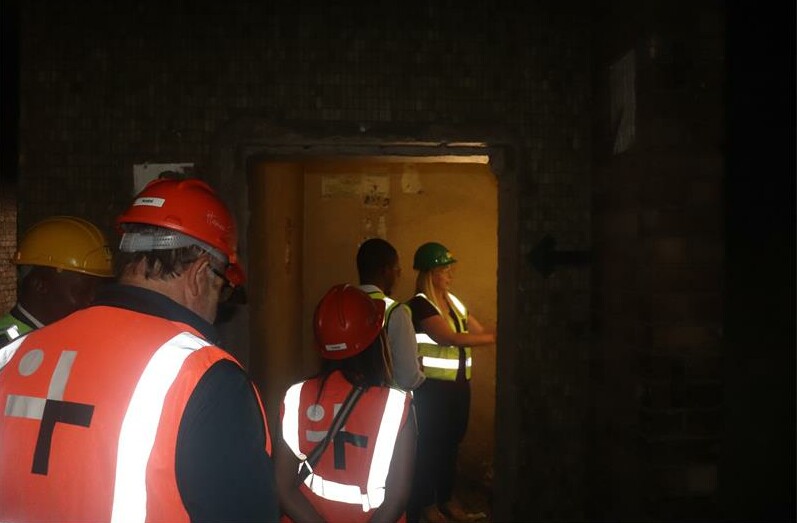
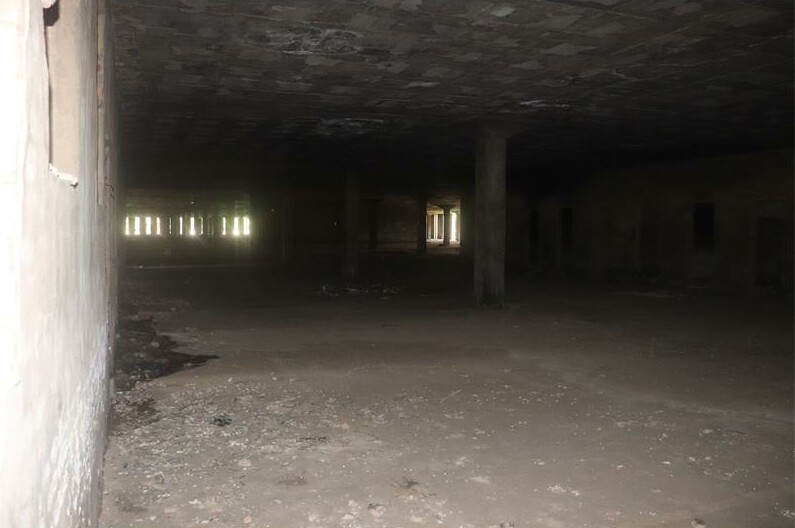
Madgungandaba says the redevelopment plan will revitalise the structure and invigorate the social fabric of the area.
“This marks a significant milestone in our journey toward inclusive growth and empowerment. Historically, our forefathers were forcibly removed from these areas, a painful chapter that underscores the resilience and determination of our community. Today, the redevelopment of the West Capital Area including Schubart Park stands as a testament to social transformation,” Madungandaba said.
The redevelopment will provide many employment opportunities in construction, retail, security fields.
Public spaces, green spaces, recreation and cultural spaces as well as sports areas will all contribute to the social cohesion and urban renewal of the area.
MMC for Corporate and Shared Services Cllr Kholofelo Morodi says the redevelopment will comprise 1 300 mixed-use housing units and 3 500 sqm of retail space.
“Derelict, hijacked, and abandoned buildings present a strategic opportunity for the development of inclusionary and affordable housing, as well as student accommodation. When managed effectively, these assets serve as a valuable gateway to the city’s rehabilitation,” Morodi said.
Morodi recently became chairperson of the new Bad Buildings Committee in the metro tasked with identifying and revitalising derelict buildings within the inner city.
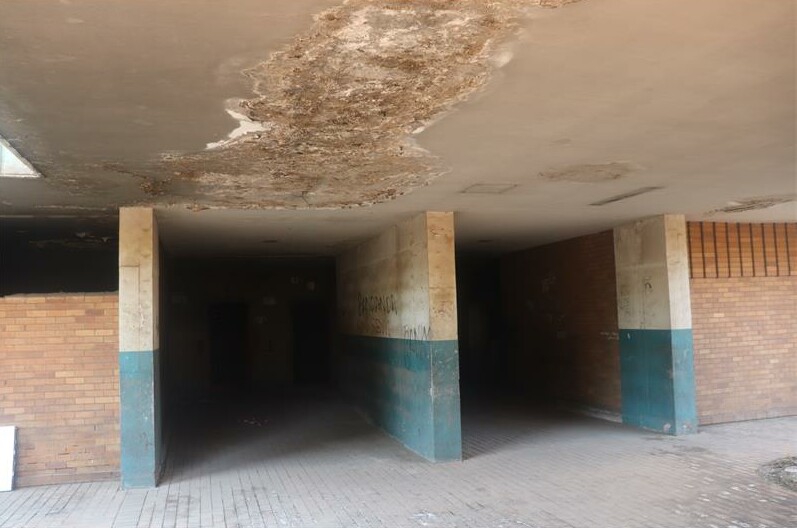
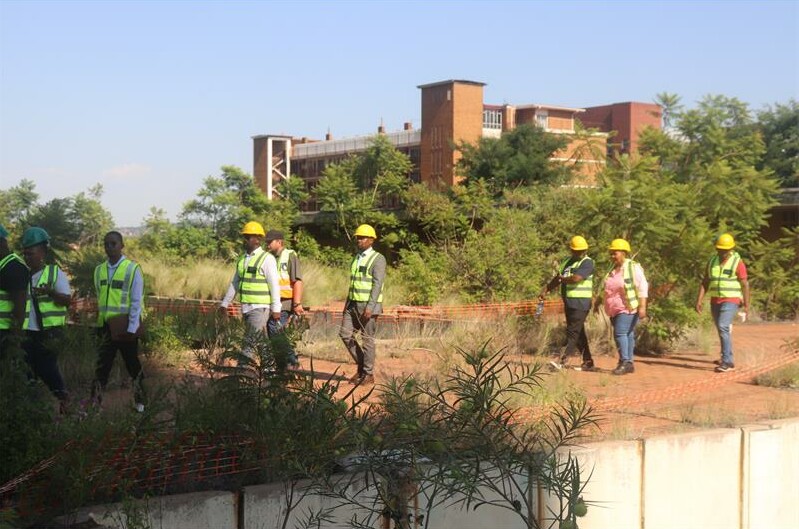
The effort falls under Tshwane Mayor Dr Nasiphi Moya’s Rea Spana Program.
“This handover is the culmination of extensive negotiations between the city and Tsoseletso Consortium, bringing an end to a protracted dispute. Over the past two years, both parties have engaged in robust discussions to unlock this project, made possible through the approval of the city council. A mutually beneficial settlement has been reached, paving the way for one of the largest affordable housing developments in the inner city of Tshwane,” Morodi said.
Tshwane began evicting tenants from Schubart Park in 2011 due to the safety concerns about the building.
Residents responded by taking the metro to the Constitutional Court, which ordered the metro to reinstate the tenants.
Since then, the metro has been accommodating these residents in privately-owned properties.
The MMC says that so far, the cost has exhausted the metro’s finances for too long and the dilapidated building is not only an eyesore but a haven for crime.
“The city has borne the substantial cost of accommodating these occupants in privately-owned properties in and around the inner city, amounting to over R250-million. The West Capital Development will provide housing for qualifying social housing tenants, and an audit is currently underway. This initiative will alleviate the financial burden the city has carried since 2011,” Morodi said.
Rekord understands that the deal with Tsoseletso is that it will enter a 99-year lease agreement with the metro. During that period, the metro will earn 5% of rental turnover. At the expiration of the term, the property will revert to the metro.
Throughout construction, Morodi says that she’ll be watching closely and won’t hestiate to call the developer to account if needs be.
“It is an asset that belongs to the city, now we have to fix it and make it habitable. Tshwane is the only city in the country with the number of universities and students that we always struggle for accommodation. If we can use bad derelict buildings to accommodate students it will be much better. We have students coming from Soshanguve, students from Mamelodi, Atteridgeville and elsewhere, they live far from away so if we can bring them to the inner city, they would be able to save money and the metro will save money,” Morodi said.
She said that every six months, she’ll oversee the progress of construction, saying she does not want this undertaking to be an empty promise.
“My concern has always been that the government starts projects and then it takes 10+ years to finish a simple project, it’s not going to happen on my watch. I will make sure that whatever bottlenecks are there, will be resolved timeously,” Morodi said.
Morodi says the structure of Schubart is impressive and once completed, tenants and residents won’t feel the need to go elsewhere for amenities.
Other buildings the MMC has identified as derelict and in need of refurbishment include the Navy Building near Tshwane House ands another on Nana Sita Street.
The building on Nana Sita Street is occupied despite being without water or electricity.
“Those that belong to the municipality will be put on the market for leases and those belonging to private-owners [they] will be summoned to fix them. If they are not fixed, they will be expropriated,” Morodi said.
Additionally, the city is collaborating with the Gauteng Partnership Fund on the proposed Madiba Heights Project, which complements the West Capital Development and anchors the Western corridor of the inner city as an affordable housing precinct.
Ward 58 councillor, Conride Ngoveni says the developer will first conduct assessments before construction can commence.
“This building has been unoccupied for more than 10 years. So there will be structural engineering assessments, design plans and everything. There will be two new entrances, one from Kgosi Mampuru and another from Sophie De Bruyn. The building is old, you can see even these days we no longer build buildings with 25 floors and that is because we’re restricted. All buildings in the inner city can’t block the Union Buildings, it must always be seen,” Ngoveni said.
Ngoveni said he was confident the Tsoseletso Consortium will complete the project within the allocated time of three years.
Do you have more information about the story?
Please send us an email to bennittb@rekord.co.za or phone us on 083 625 4114.
For free breaking and community news, visit Rekord’s websites: Rekord East
For more news and interesting articles, like Rekord on Facebook, follow us on Twitter or Instagram or TikTok.