Tshwane NPOs devasted as USAID employees placed on leave
Several aid agencies, NPOs and health programmes are concerned about the effect of the president of the USA's executive order for the withdrawal of USAID staff from SA for three months.
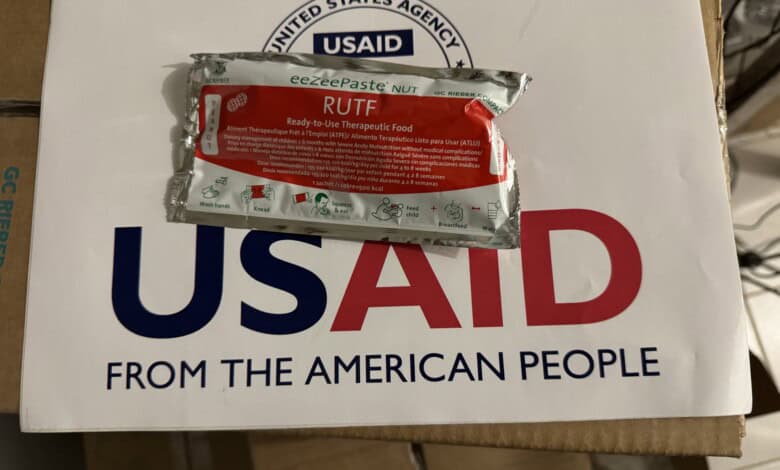
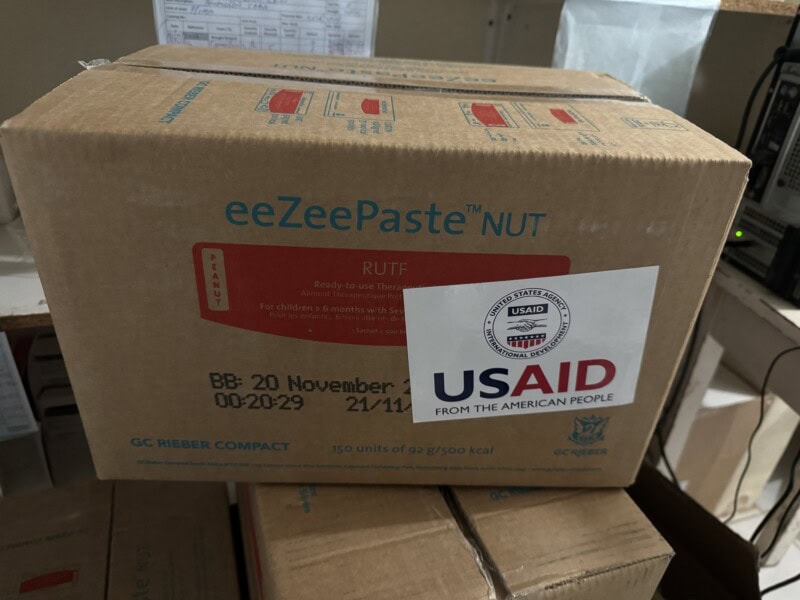
The United States Agency for International Development employees in Pretoria and around the world will from today, be placed on leave and then ordered to return to the USA.
This is according to a statement posted on the USAID South African website.
“All USAID direct hire personnel will be placed on administrative leave globally, except designated personnel responsible for mission-critical functions, core leadership and specially designated programmes,” reads the statement.
A group of health and human rights organisations in South Africa issued a joint letter on February 5 calling on the South African government to provide a “co-ordinated emergency response” to the healthcare crisis created by this decree by the American government.
It is estimated that at least 900 000 people living with HIV in South Africa will be affected.
Signatories stressed the need for an increased budget for healthcare services, as this temporary suspension of the President’s Emergency Plan for Aids Relief (Pepfar) continues to affect the work of health programmes in South Africa.
“The current situation has sowed incredible confusion as Pepfar-supported programmes remain ‘paused’, jeopardising the health, lives and livelihoods of thousands of people, especially key at-risk populations with HIV, TB and cancer,” read the letter.
The letter was authored by Health Justice Initiative, the Treatment Action Campaign, Section27, Sweat, the African Alliance, and the Cancer Alliance.
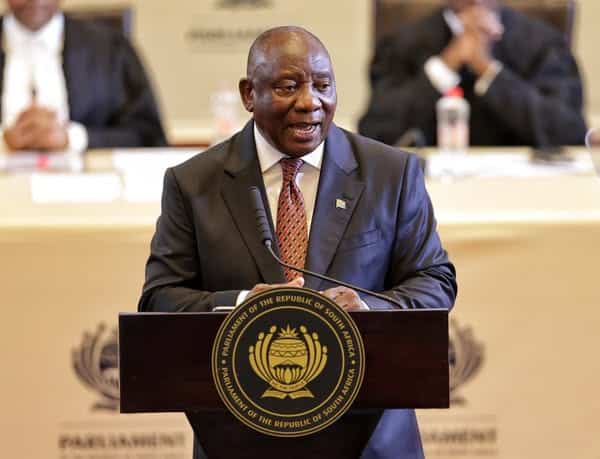
In his State of the Nation Address on February 6, President Cyril Ramaphosa also focused on the decision to suspend funding for HIV and TB programmes in African countries for 90 days.
Ramaphosa explained that this funding makes up about 17% of South Africa’s HIV response, and the sudden suspension could impact millions who rely on treatment.
He made it clear that his government was looking at ways to keep essential services running despite the cuts.
“We stand for our shared humanity, not for the survival of the fittest,” said Ramaphosa.
“It is heartbreaking to acknowledge that the vital services offered by charity organisations are at risk due to a lack of financial resources,” the director for Child Welfare Tshwane, Nina de Caires, told Rekord.
“While Child Welfare Tshwane receives much of its funding from the SA Government’s Department of Social Development – not from the US Aid agency – we know that our efforts to assist in the lives of vulnerable people have been bolstered by the support of international organisations, including those from the US. The thought of having to turn people away, or to scale back on our efforts, weighs heavily on all of us.”
She pointed out that the consequences would be nothing short of devastating. This does not only pertain to the health sector as the USAID programmes also helped in various other charity sectors.
“Gender-based violence has already ravaged so many lives, and the support we provide is often the only lifeline for survivors in Tshwane. If the US-sponsored organisations’ funding were to dry up, the impact would be immediate and overwhelming,” she said.
“The heartbreaking irony is that as more and more vulnerable individuals seek refuge from the violence in their lives, organisations like ours, already stretched thin, will have to face an impossible situation.”
She emphasised that this funding concern comes within a time when locally sponsored NPOs are also nervous about their futures, especially in Gauteng. Their fears are based on the track record and unpredictability of the premier and MEC’s decisions regarding future funding of NPOs in the social welfare sector.
“With limited resources, it will be a constant struggle to meet the rising demand for social services. Sadly, we fear that the local demand will far exceed our capacity to help and that many will be left without the support they desperately need. It’s a painful reality that our future, and the futures of those we serve, remains uncertain,” said De Caires.
While SA self-finances the majority of its HIV services, it is the largest recipient of Pepfar funding from USAID globally. These funds account for about 17% of the national HIV budget across 27 districts.
In the long term, the funding shortfall caused by the loss of Pepfar may affect antiretroviral therapy (ART) for adults and children, HIV prevention programmes, the livelihoods and jobs of direct clinical and care providers, and linkage to care for communities affected by HIV, TB and even cancer.
On February 5, Minister of Health Aaron Motsoaledi told the portfolio committee on health that the USA’s administration’s freeze on foreign aid has put more than15 300 healthcare workers’ jobs on the line.
“We requested provinces to develop contingency plans, short and long-term plans. Also for them to commence engagement with people living with HIV and AIDS,” said Motsoaledi.
The metro referred Rekord to the Gauteng Department of Health (GDH) for enquiries on the its health programmes.
Motsamai Motlhaolwa of the GDH told Rekord that “because of diplomatic issues”, the national Department of Health will be the only authority commenting on this healthcare crisis.
Do you have more information about the story?
Please send us an email to bennittb@rekord.co.za or phone us on 083 625 4114.
For free breaking and community news, visit Rekord’s websites: Rekord East
For more news and interesting articles, like Rekord on Facebook, follow us on Twitter or Instagram or TikTok.