Tshwane records most malnutrition cases among children in Gauteng
The Gauteng Department of Health is visiting homes and early childhood centres to screen children and providing nutrition education to address the issue of malnutrition.
Residents are being urged to make better dietary choice after the Gauteng Department of Health (GDoH) announced that Tshwane has the highest number of malnourishment among children in the province.
The department says the province recorded 1 046 cases of severe acute malnutrition (SAM) in the first three quarters of the 2024/2025 financial year, Tshwane being responsible for 99 of these.
Johannesburg followed at a close second with 90 cases, while 86 cases were recorded in Ekurhuleni.
The department noted its concern as most of the children are below the age of five. Factors such as food insecurity, poor dietary practices, and a lack of nutrition education continue to put children at risk of life-threatening malnutrition.
According to Nomonde Motsoeneng, Deputy Director for Clinical Nutrition at the Department, SAM is not just about hunger but also about the quality of food children receive. “Food insecurity and poverty remain the biggest contributors. Many households struggle to provide adequate nutrition, and children are fed unhealthy foods that replace nutritious meals,” she said.
Poor feeding practices, such as introducing solids too early or replacing meals with unhealthy snacks also contribute to malnutrition.
SAM leads to extreme weight loss, muscle wasting, weakened immunity, and developmental delays. Children suffering from it are also more vulnerable to diarrhoea and tuberculosis.
Prolonged SAM can also cause stunted growth, impaired cognitive development, and an increased risk of chronic diseases in adulthood.
The department has taken the following steps to address the issue:
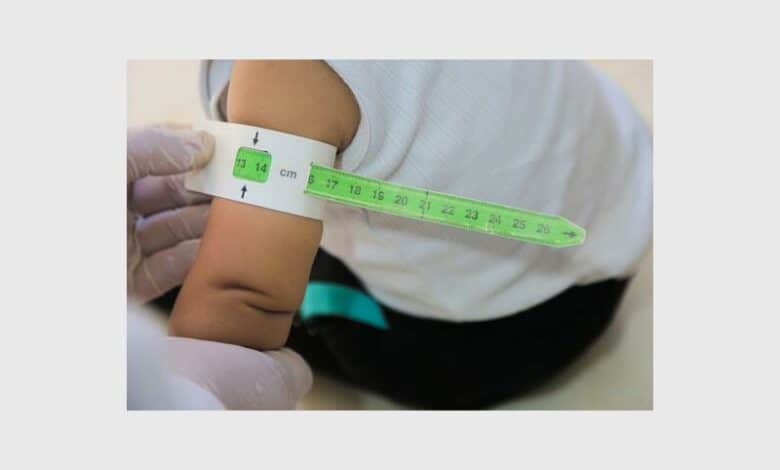
– Community health workers visit homes and screen children at early childhood development centres using mid-upper arm circumference measurements.
– Providing nutrition education, breastfeeding support, and therapeutic food supplements at clinics
– Continued nutritional rehabilitation and monitoring post-discharge.
Families are encouraged to purchase more nutritious foods such as vegetables, beans, soya, nuts, fortified porridge, and healthy fats to prevent malnutrition.
Mothers are advised that breastfeeding for the first six months and continued breastfeeding with complementary feeding beyond two years is also recommended to promote healthy child growth.
Motsoeneng urged parents and caregivers to watch for early signs of SAM, including extreme thinness, loss of appetite, swelling in the feet or hands, and developmental delays.
“Caregivers who suspect a child may be malnourished should visit their nearest clinic or hospital immediately to receive proper medical attention. Malnutrition is preventable, and early intervention can save a child’s life,” Motsoeneng said.
Do you have more information about the story?
Please send us an email to bennittb@rekord.co.za or phone us on 083 625 4114.
For free breaking and community news, visit Rekord’s websites: Rekord East
For more news and interesting articles, like Rekord on Facebook, follow us on Twitter or Instagram or TikTok.