Pretoria experts save rare aloe plant by reintroducing it on Mamelodi mountain tops
University specialists and volunteers teamed up to initiate a high-profile operation to re-release thousands of critically endangered Magaliesberg aloe seedlings into the wild.
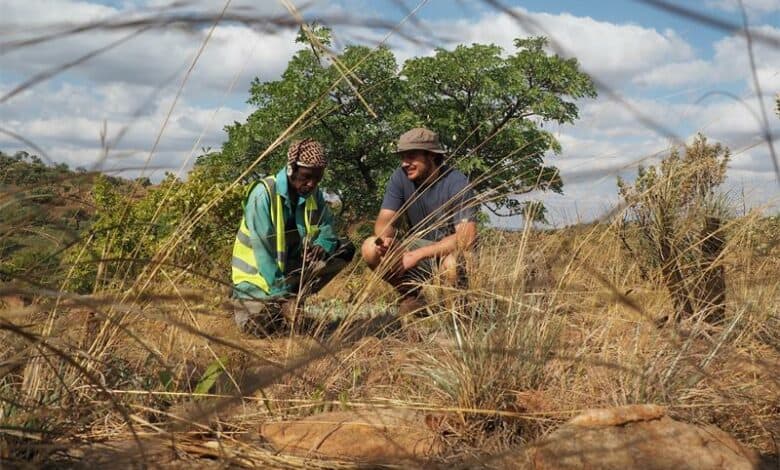
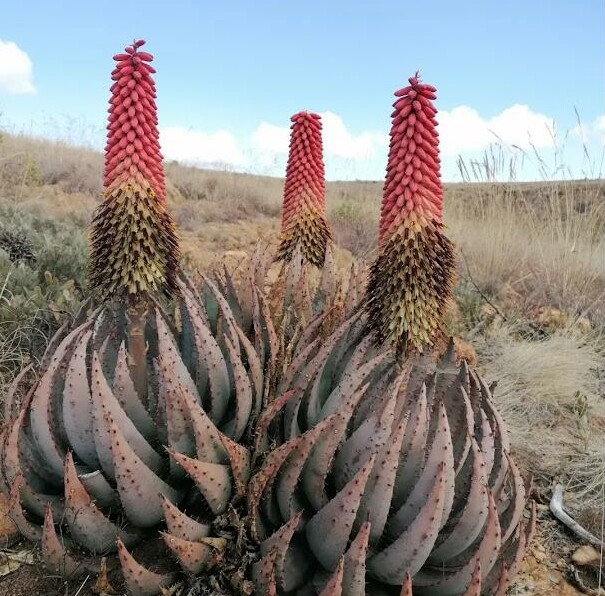
A rare plant, the Magaliesberg aloe (Aloe peglerae) that only grows on north-facing slopes of the Magaliesberg mountains to the north of Pretoria, is being reintroduced on a large scale by UP experts and volunteers.
The process of reintroducing the aloe with its spectacular red flowers is being driven by experts from the University of Pretoria (UP) and volunteers to safeguard and protect the thousands of critically endangered plants.
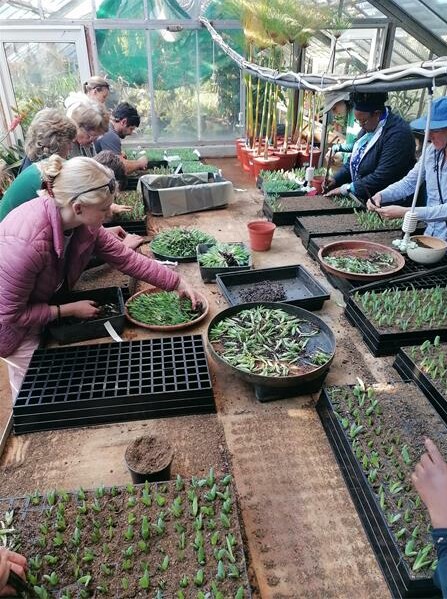
The idea behind the reintroduction project was a team effort between the owners of specialist nursery, The Aloe Farm near Hartbeespoort.
The large-scale project has seen the UP team and others plant more than 1 500 seedlings, all described as being the size of a R5 coin, along the foothills of the Magaliesberg Mountains above Mamelodi.
The Magaliesberg aloe is a slow-growing species and was listed as critically endangered after a survey in 2016, which found its overall population numbers to have dropped by an estimated 43% within a decade.
The drop was apparently caused by illegal harvesting, among other challenges.
The project, supported by the Botanical Society of South Africa (BotSoc), is the first major reintroduction effort involving an endemic South African aloe species.
Richard Hay of UP said, “The Magaliesberg aloe has a very narrow distribution range, as it is particularly well adapted to the very hot, dry conditions experienced on top of the Magaliesberg.”
Hay is the curator of the Future Africa Campus Gardens and the Future Africa Indigenous and Orphan Crops Collection of the Manie van der Schijff Botanical Garden (MvdSBG).
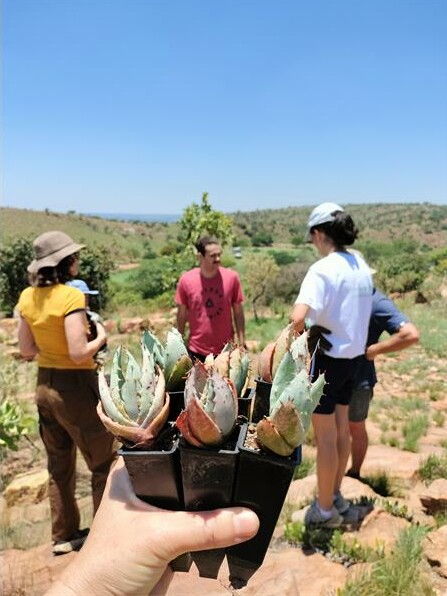
He said the main idea is to reintroduce the plant in places where it once grew naturally and eventually disappeared over time, such as in Mamelodi.
Hay said from a conservation perspective, the plant had to be protected from extinction as animals of Magaliesberg feed on it during winter when not many other plants are around.
BotSoc’s national conservation project manager, Dr Martina Treurnicht, said this initiative emphasises the value of citizen science and volunteers’ involvement in conservation initiatives.
“Volunteers play a pivotal role in practical conservation work, ranging from planting programmes to making people in the surrounding communities aware of conservation issues,” she explained.
The Magaliesburg reintroduction project took leftover seeds and temporarily left them to season on the roof of UP’s Future Africa Campus to preserve them for the next planting season on various mountains.
ALSO READ: Security forum warns of rise in east house burglaries
Do you have more information about the story?
Please send us an email to bennittb@rekord.co.za or phone us on 083 625 4114.
For free breaking and community news, visit Rekord’s websites: Rekord East
For more news and interesting articles, like Rekord on Facebook, follow us on Twitter or Instagram or TikTok.