Objections raised over relocation of Mamelodi flood victims
Relocation of flood victims to a site in Cullinan which include graves and a wetland, sparked concern among various groups of stakeholders.
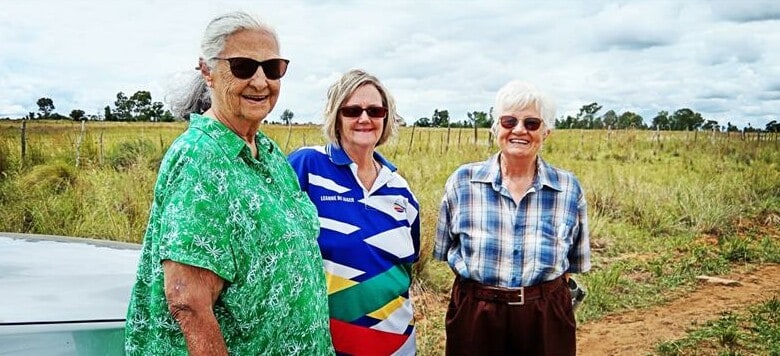
Environmental experts and historians have supported the DA’s concerns about the Gauteng government’s decision to relocate the 2022 Mamelodi flood victims to asite near Cullinan.
Gauteng bought the piece of land for more than R50-million and donated it to the metro for resettlement purposes.
The land was originally owned by a private owner. A developer made an application for developing a lifestyle development for the elderly, Jacaranda City, on the land.
However, he did not proceed with these plans, and it was eventually sold to the provincial government via a third party and transferred directly to the metro by Gauteng for resettlement purposes.
At present, the metro has commissioned a new environmental and heritage impact study. Resolutions about the resettlement or not can only be taken after the report of the practitioners doing the research and the public participatory process have been completed and considered by the metro.
Two environmental specialists, Joan du Toit and Petro Lemmer, confirmed that building on this wetland would endanger environmental preservation and historians have confirmed it will jeopardise cultural heritage.
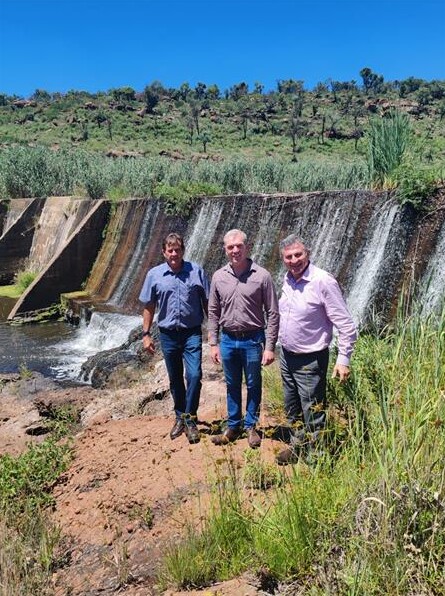
The area currently houses graves, ruins of houses and buildings dating between 1890 and 1960, and a dam built by Zonderwater Italian prisoners of war in the 1940s.
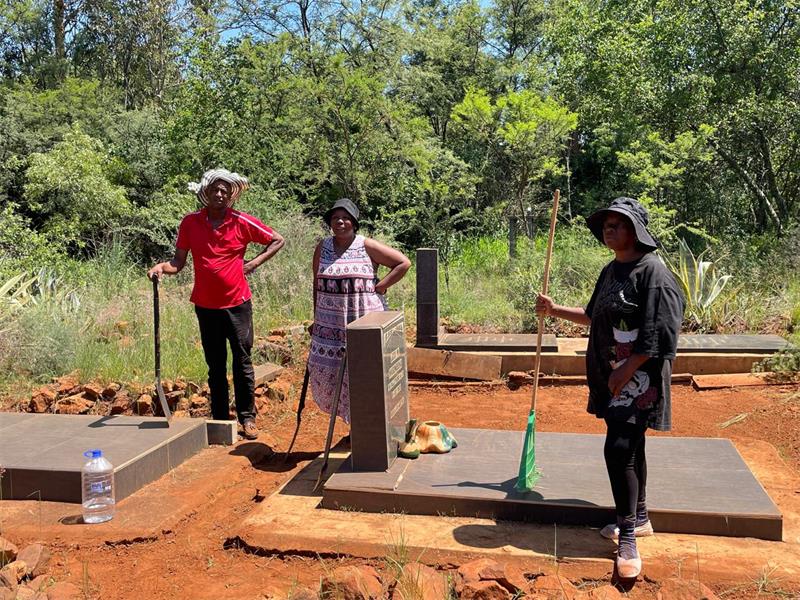
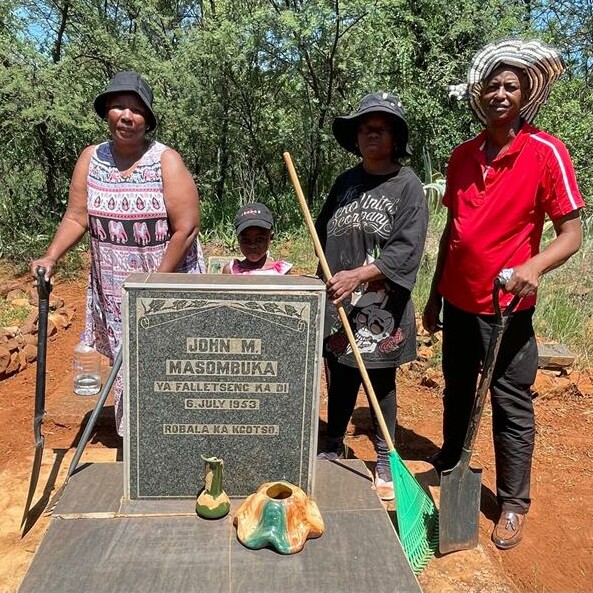
At the forefront of this controversy are more than 200 graves, notably the Mahlangu family burial sites, which are meticulously marked and cared for.
Ward 100 councillor JB Bekker said his objections to the resettlement of the flood victims on the land arise from environmental, historical, and community issues.
Ward 100 includes suburbs like Cullinan, Rayten, Mahube Valley, and Refilwe.
“The decision to proceed with these plans, particularly in light also of the hundreds of unmarked graves that dot the landscape, raises profound ethical and moral questions, reverberating through various communities and stakeholders,” said Bekker.
“These graves stand as beacons of ancestral reverence amid the encroaching urban sprawl. The pride reflected in the upkeep of these graves speaks volumes about the cultural ties to the land and the importance of honouring those who came before us.
As The Royal African Society emphasises the significance of acknowledging historical injustices and cultural heritage, it becomes increasingly clear that erasing these sites would not only be an act of neglect but also a profound affront to the memory of those interred there,” explained Bekker.
He said the general sentiment among residents of Cullinan revolves around concerns about the impact on existing infrastructure, water resources, and the environment.
There are also questions about how and when the community will be consulted in this decision-making process.
The King of the Ndebele and the Ndebele Council have also been approached by community members regarding what will happen to the gravesites should the metro proceed with the resettlement.
A memorandum regarding the graves on the site was tabled during a meeting of the council on November 28 when recommendations about the resettlement of the flood victims were considered and handed to the Speaker of the council.
During a recent oversight inspection by the DA at the Cullinan site, environmental experts said that there could be several threatened species of plants, animals, and fungi in this area that are on the International Union for the Conservation of Nature Red List.
The Red List tracks the extinction of species around the world.
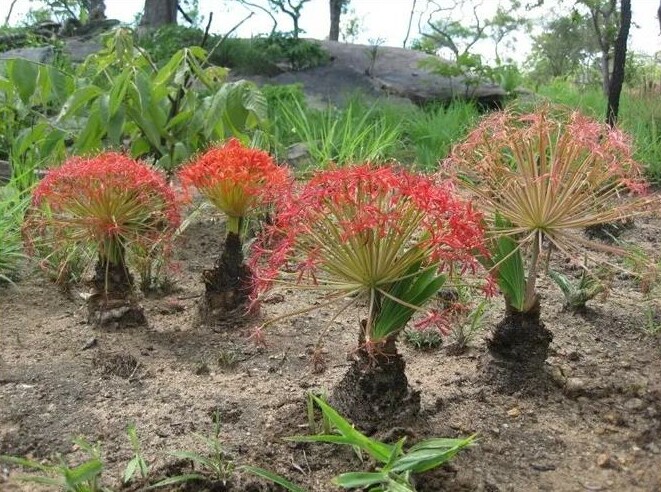
Some of the plants that need protection are an orchid (Holothrix randii), needle-leaf dwarf karee (Searsia gracillima var. gracillima), “living stones” (Lithops lesliei) and the Boophone disticha, commonly known as the poison bulb or sore-eye flower.
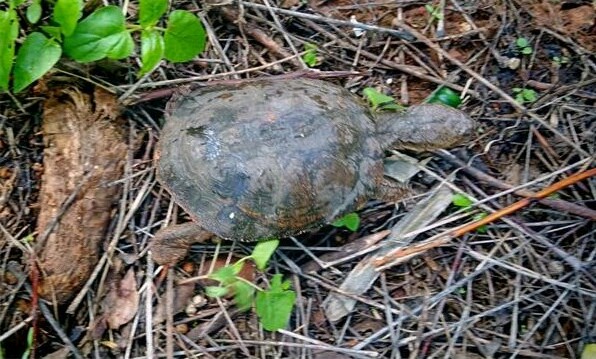
Wetland animals that would need to be protected are the terrapin water tortoise, the Golden scorpion, and the Golden owl.
At present, a group of residents is in the process of obtaining confirmation from the Department of Forestry, Fisheries, and the Environment regarding the official registration of the area as a wetland.
Leanne de Jager, DA Gauteng spokesperson for Sport, Arts, Culture and Recreation, said the expert assessment confirms the results of three environmental impact studies previously done. As they have expired, a new impact study is currently being conducted by the metro.
“Aside from affecting the rich historical and cultural significance woven into the fabric of this land, we now know that it will endanger a fragile ecosystem that serves as a natural water filtration system and wildlife habitat.”
She feels finding an alternative location for the flood victims of 2022 would be a good starting point.
“Such a move would serve the flood victims’ needs and also protect this land, which has significant environmental and cultural value.”
She pointed out that victims have been waiting since 2022 to be moved to a safe and permanent site.
MMC Human Settlements Aaron Maluleka visited the area in February to consult with community leaders on township development in general and address concerns surrounding heritage sites and environmental impacts associated with the project.
He said the metro’s Department of Human Developments provided reassurance on the formalisation of the project’s approach, affirming that it will not disrupt graves or encroach upon any green belt areas.
“It is crucial that we honour our heritage while facilitating development that meets the needs of our communities,” said Maluleka.
“I am optimistic that, through these engagements, we can work together to create environments that promote safe living conditions, enhance community development, and respect our rich heritage.”
Comment was asked from the metro, but not received at the time of publication.
– Click here to see discussions on the impact a resettlement would have on the proposed site.
Do you have more information about the story?
Please send us an email to bennittb@rekord.co.za or phone us on 083 625 4114.
For free breaking and community news, visit Rekord’s websites: Rekord East
For more news and interesting articles, like Rekord on Facebook, follow us on Twitter or Instagram or TikTok.