Sanbi commemorates Indigenous Tree Day with partners
This year’s theme was Planting Hope, Protecting Heritage and 30 trees were planted.
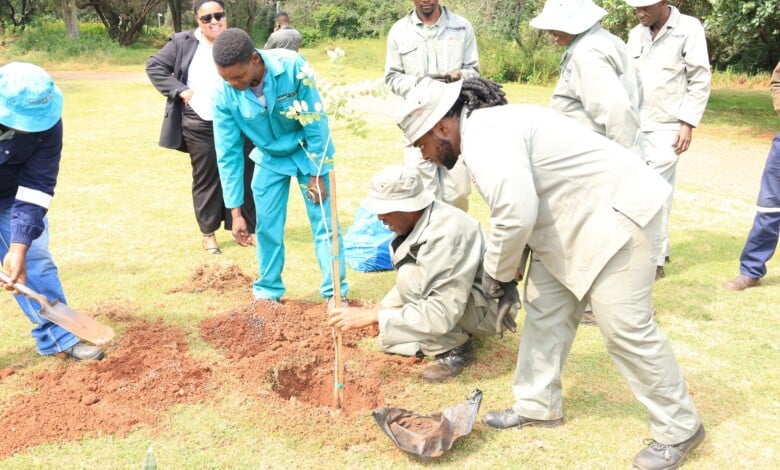
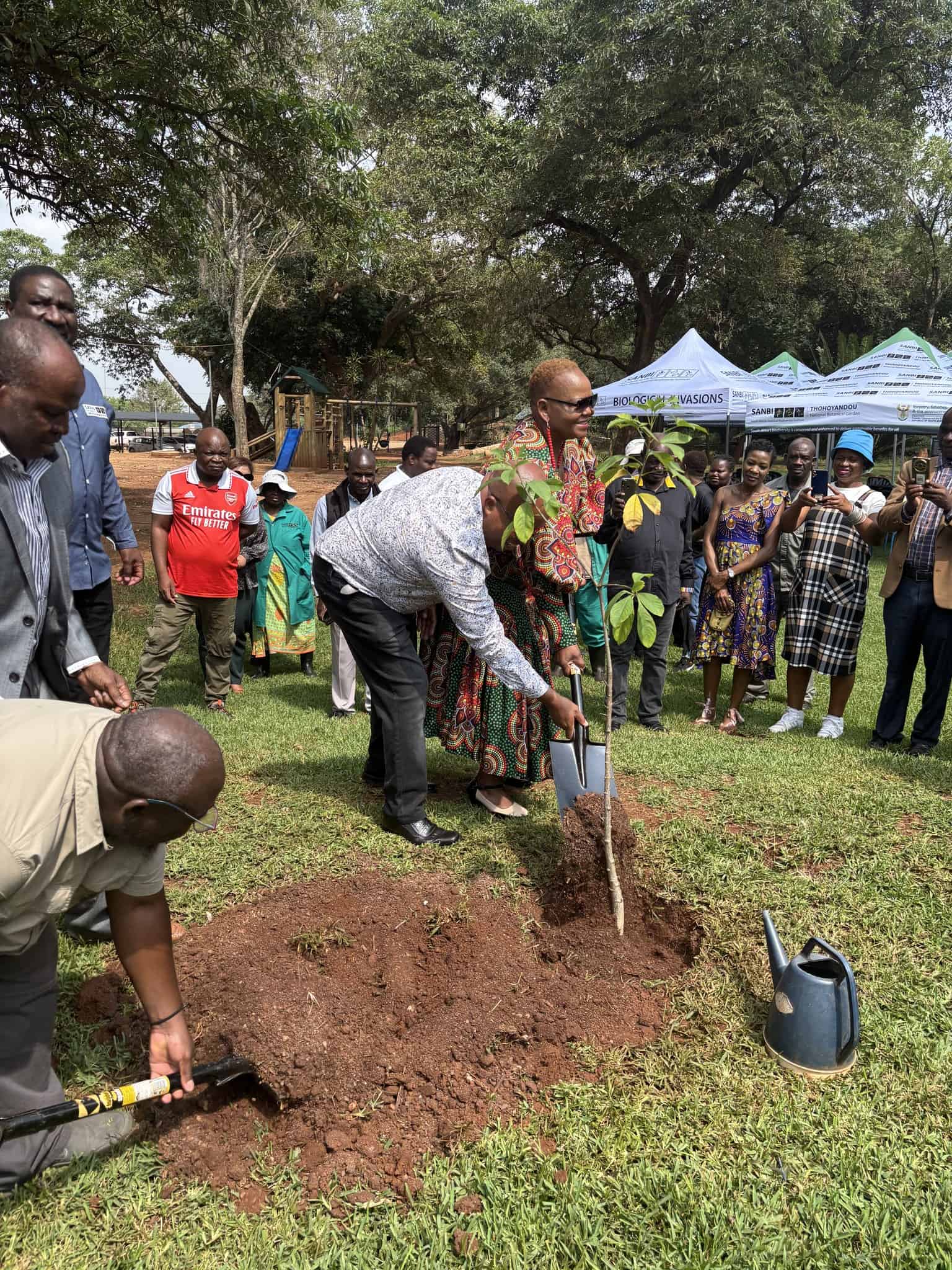
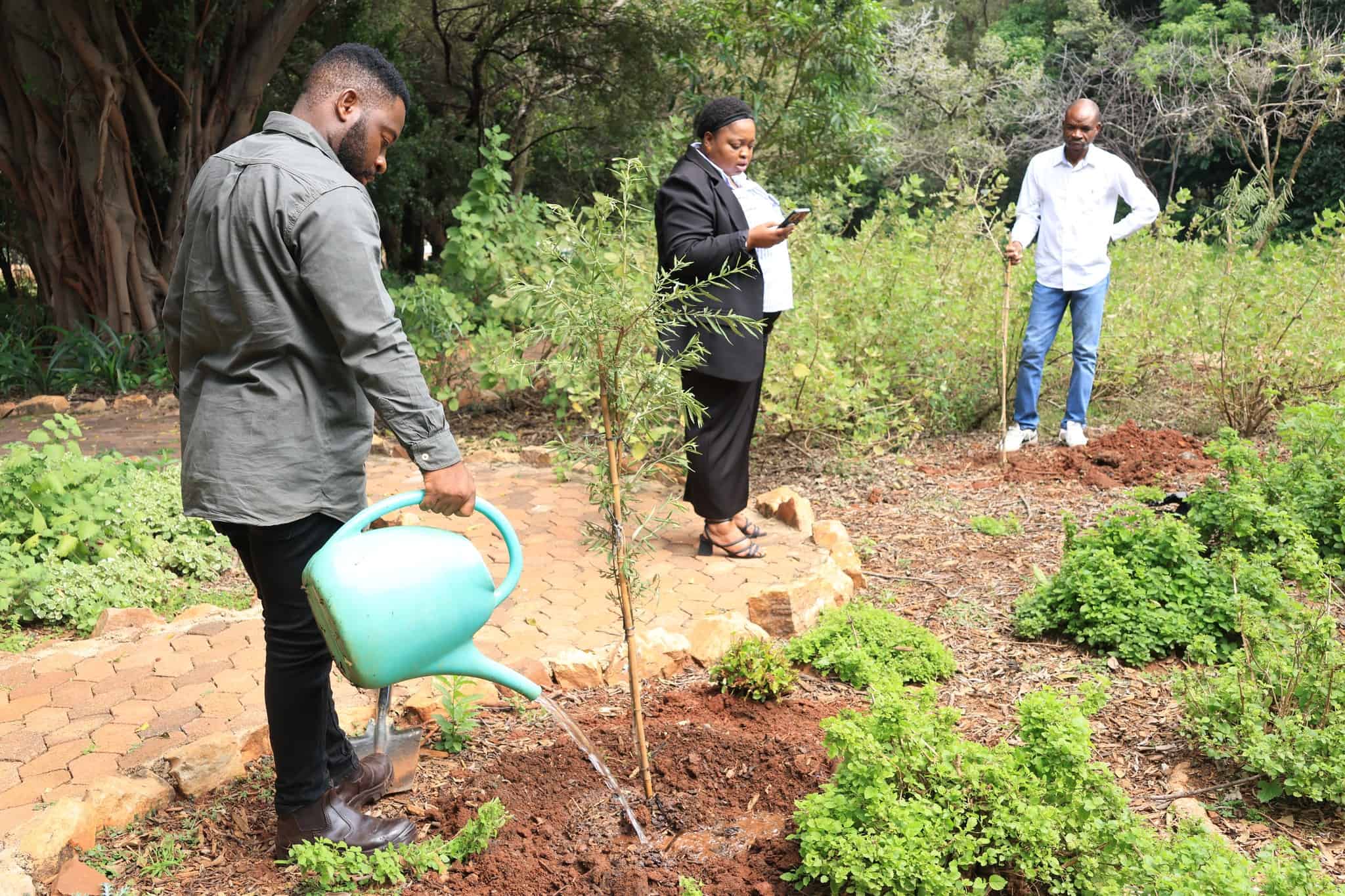
The South African National Biodiversity Institute (Sanbi) and partnering organisations recently planted 30 trees at the Botanical Garden in honour of Indigenous Tree Day on April 15.
The 30 indigenous tree species were planted across all of Sanbi’s botanical and zoological gardens on the day, including the Pretoria National Botanical Garden and the National Zoological Garden in Daspoort.
This year’s theme was Planting Hope, Protecting Heritage.
Partnering organisations included the Botanical Society of South Africa, the International Union for Conservation of Nature, Johannesburg City Parks and Zoo, the Association of Parks and Recreation Africa, the SABC and the South African Local Government Association.
Indigenous Tree Day was launched in 2023 by Dr Victor Nsereko Wantate and the African Tree Seeds Group, with the inaugural Indigenous Tree Day taking place last year.
This year, the movement has grown beyond Africa, with Hawaii and the USA joining the list of participating regions.
The trees planted were carefully selected for their conservation value, including locally endemic, threatened, and fruit-bearing trees, with planting activities linked to local schools and municipalities to strengthen community engagement.
This nationwide effort also contributed to the ambitious target set by the Department of Forestry, Fisheries and the Environment to plant one million trees on Heritage Day this year as a bold step toward greening communities, restoring ecosystems, and building climate resilience.
“Indigenous Tree Day is an important reminder that biodiversity loss is not just a global concern, it’s a local responsibility,” said Sanbi CEO, Shonisani Munzhedzi.
“As Sanbi, we are committed to working with communities, schools, and partners across the country to restore and protect the indigenous trees that sustain our ecosystems, our cultures, and our future,” Munzhedzi said.
Unlike exotic or invasive species, indigenous trees are uniquely adapted to local conditions, making them more resilient in the face of climate change. They provide food and shelter for native birds, insects, and animals, conserve water and protect the soil.
Indigenous trees also hold a deep cultural, medicinal, and economic importance, especially in rural and traditional communities.
“Our national botanical gardens are living classrooms. They are ideal spaces to educate the public, especially young people, about the importance of indigenous trees and the urgent need to protect them. This day gives us a chance to bring communities together through trees that tell the story of who we are as Africans,” said Christopher Willis, Sanbi’s Chief Director for National Botanical Gardens.
Residents can help by:
– Planting indigenous trees sourced from verified local nurseries, especially those that are threatened or culturally significant,
– Hosting educational events in schools or community spaces, and
– Partnering with others to support indigenous nurseries and conservation initiatives, and helping track the growth and health of planted trees to ensure their long-term survival.
Do you have more information about the story?
Please send us an email to bennittb@rekord.co.za or phone us on 083 625 4114.
For free breaking and community news, visit Rekord’s websites: Rekord East
For more news and interesting articles, like Rekord on Facebook, follow us on Twitter or Instagram or TikTok.