Tshwane looks to Expropriation Act to take over derelict buildings
The metro, in an effort to unlock student accommodation and affordable housing, plans to hold a property investment seminar in July for potential investors.
The Tshwane metro wants to use the Expropriation Act of 2024 to address the derelict, hijacked and abandoned buildings in the CBD and the rest of the metro.
This is according to Tshwane Mayor, Dr Nasiphi Moya, as well as Bad Buildings Committee Chair and MMC for Corporate and Shared Services, Cllr Kholofelo Morodi.
This comes after Moya, during her State of the Capital address earlier this month, emphasised the need to revitalise the CBD as it is currently not beneficial to the capital.
“Revitalising Tshwane’s economy also means addressing the condition of our inner city. The current state of our central business district is not befitting of a national capital,” Moya said.
“As part of our 100 Days Programme, we handed over the Schubart Park Precinct and we are finalising an agreement for the Kruger Park Building, following a competitive bidding process. Both projects will play a key role in unlocking the western corridor of the inner city,” Moya added.
The mayor says that in the past two months since the launch of the Bad Buildings Committee, 32 high-priority buildings in the Pretoria CBD have been identified for urgent action, which include those considered to be expropriated.
In the year ahead, the metro aims to refurbish and repurpose the following buildings:
– HB Phillips Building
– Pretoria Show Grounds
– House 22 Precinct
– Melgisedek Building
When all is said and done, the Bad Buildings Committee aims to:
– Unlock 15 000 to 22 000 units of student and affordable housing
– Attract significant private-sector investment
– Catalyse economic activity across the western, central and eastern corridors.
“Consultations with key stakeholders are already underway, including with institutions of higher learning, as Tshwane is home to the largest concentration of academic and research institutions in the country. It would be a missed opportunity not to harness this knowledge economy to help shape the future of our city,” Moya said.
These efforts will culminate in a property investment seminar in July 2025 where these opportunities will be presented and there will be engagements with developers.
Morodi previously asserted that converting buildings into student accommodation will greatly assist students.
“Derelict, hijacked, and abandoned buildings present a strategic opportunity for the development of inclusionary and affordable housing, as well as student accommodation. When managed effectively, these assets serve as a valuable gateway to the city’s rehabilitation,” Morodi said.
An example came earlier this month when the metro announced its intention to proceed with demolishing the illegally erected buildings on Luttig Street in Pretoria West after an appeal lodged by the owner was denied.
The metro obtained a court order to demolish illegally constructed buildings on Stand 1313 and Stand 1312 located at 510 and 514 Luttig Street, Pretoria West last month.
Morodi confirmed that the appeal was struck off the roll in the High Court on April 3, though on April 17 she confirmed that the committee is aware that the complainant intends to re-enroll their appeal.
Community Safety MMC, Ald Hannes Coetzee recently visited the property to ensure that its illegal connections to services were removed prior to demolition.
“We’re not going to tolerate this, we have zero tolerance for this corruption. If you really had to calculate the loss that we have had in this city due to all of these rooms tapping into electricity illegally, it would come to millions. Therefore, we have to implement the court order and this is the result,” Coetzee said during the visit.
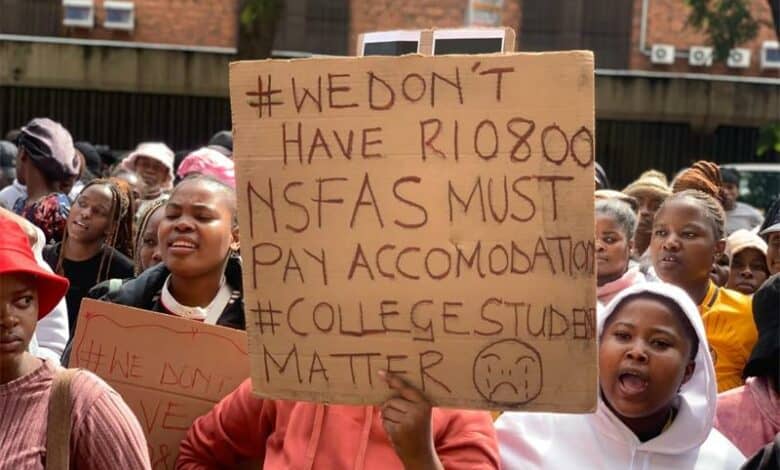
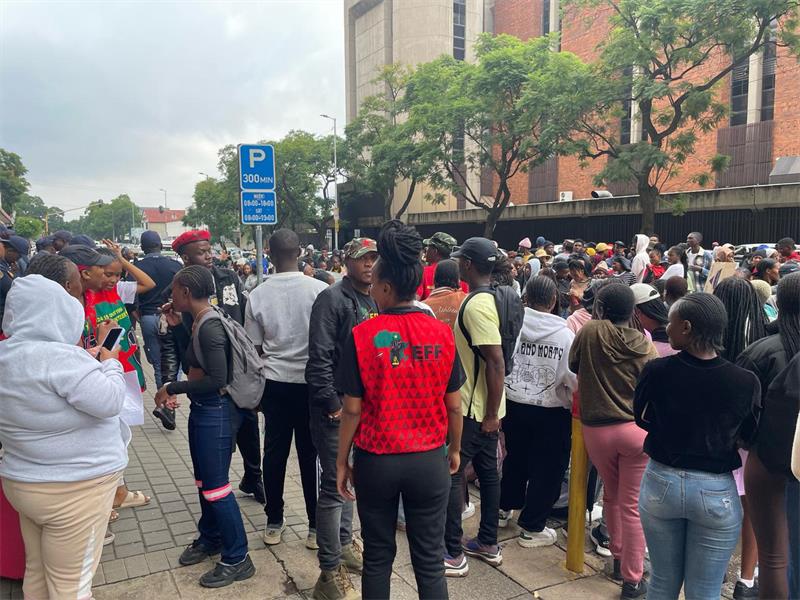
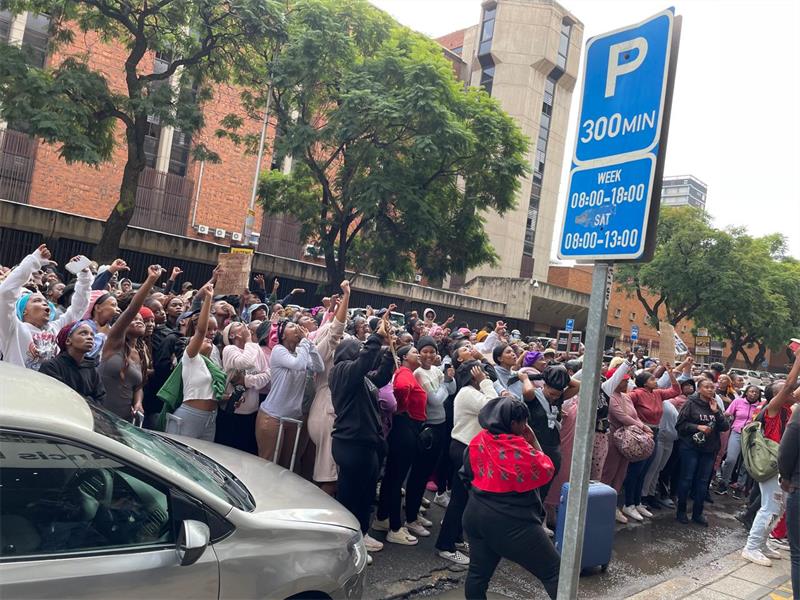
Rekord reached out to students involved in a recent protest at the Department of Higher Education against exorbitant rentals about how this plan of the metro would assist them. They say that while more accommodation would assist, rising costs are hurting their stomachs.
“We would like Tshwane to assist us in fundraising so that we can buy students groceries because, to be honest, almost all students finish the money from NSFAS and where are they going to get R10 800 for rent?” said Elvis Musiiwa Tshiwawa.
EFF Student Command Tshwane representative, Itumeleng Tshepo More, said that while their memorandums have gone unanswered, students face eviction and also called for the metro to assist with meals.
“Tshwane can assist us in fundraising programmes so the students can have a meal twice a day, especially on Mondays and Fridays since the so-called living allowance (R1 700) has been converted into an accommodation allowance,” More said.
Watch here:
Mmc community safety assisted the electricians to disconnect all illegal connections to this property that was declared by the High court to be demolished in pta west .We found after all cables were disconnected, power still on.we searched and found cable in cast in concrete. pic.twitter.com/Co14oDpXKa
— mmc Community Safety ( Rambohannes (@Rambohannes) April 17, 2025
Do you have more information about the story?
Please send us an email to bennittb@rekord.co.za or phone us on 083 625 4114.
For free breaking and community news, visit Rekord’s websites: Rekord East
For more news and interesting articles, like Rekord on Facebook, follow us on Twitter or Instagram or TikTok.