What you should know about bariatric surgery
Bariatric surgery is typically performed to help individuals lose excess weight and reduce the risk of serious health problems, or for those with a high BMI where other weight loss methods have failed.

Many people only consider bariatric surgery after exhausting every other weight loss avenue – often quietly, and with a sense of shame. But according to Dr Ruan De Jongh, bariatric surgeon based at Life Groenkloof Hospital, that silence needs to end. “People almost always whisper it when they ask about surgery,” he says. “Let me say this clearly: bariatric surgery isn’t the easy way out. It’s one of the hardest, bravest decisions someone can make – and for the right person, it can change everything.”
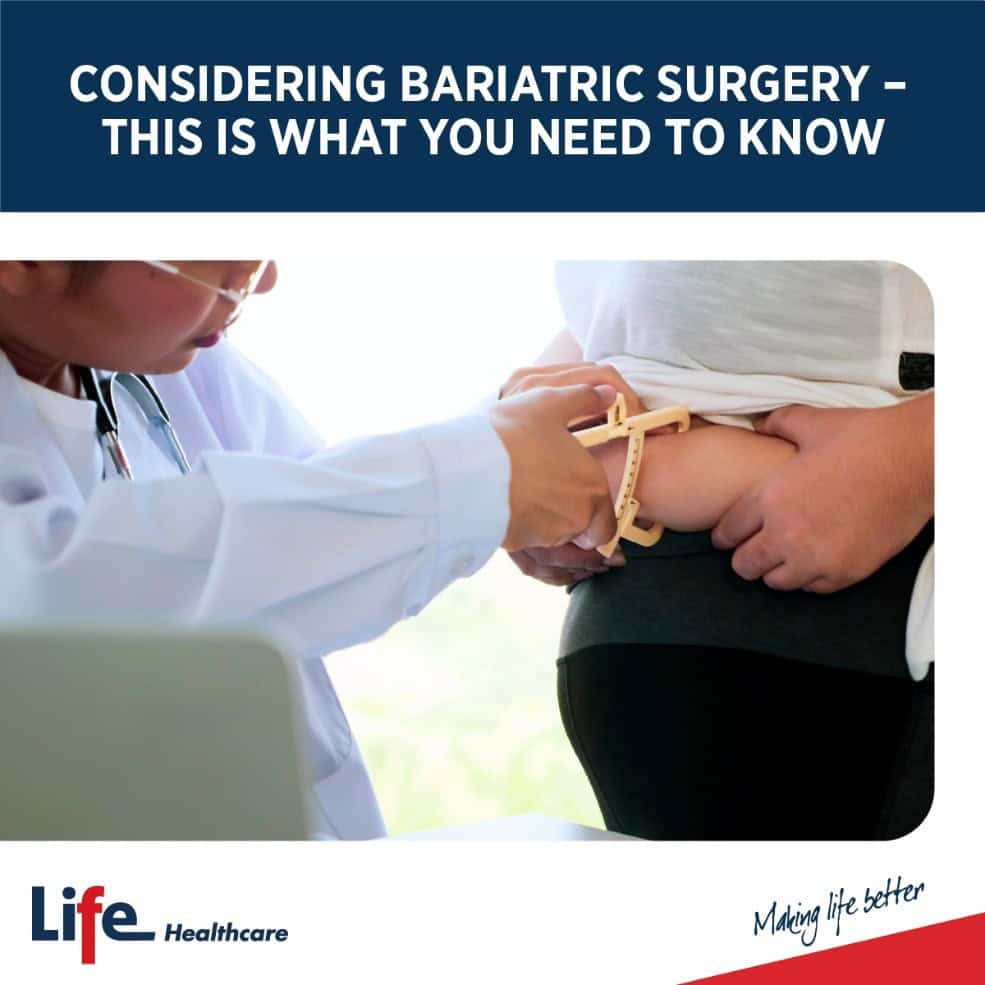
What is bariatric surgery?
Bariatric surgery helps patients lose weight by changing how the stomach and digestive system work. Procedures include gastric bypasses, sleeve gastrectomies, and other variations – all designed not just for weight loss, but to improve overall health. “We often see dramatic improvements in conditions like diabetes, high blood pressure, and joint pain – sometimes within weeks,” says Dr De Jongh.
Who is a good candidate?
Suitability is based on more than just weight. “We look at BMI – typically considering a BMI of over 30 with chronic obesity related health conditions or a BMI over 35 without – but we also look at your mindset and motivation,” Dr De Jongh explains. He emphasises that patients don’t need to meet every criterion perfectly to be considered for bariatric surgery. “We’re looking for people who are ready to commit to real change. You don’t have to be at the end of your rope – just ready to take a different path towards improving your health.”
What to know before surgery
“Surgery is a tool, not a cure,” Dr De Jongh cautions. He explains that while bariatric surgery can help patients lose weight and improve their health, it is not a standalone solution. Patients will still need to change how they eat, how they think about food, and how they care for themselves. Lifestyle changes and ongoing support are crucial for long-term success. That’s why bariatric surgery involves a full team: a dietitian, psychologist, surgeon, and often a physician. The journey is also emotional. “Your mental well-being is just as important as your physical health,” he notes. “We walk the journey with you from the first consult through to long-term follow-up.”
A word on medical tourism
Dr De Jongh raises concerns about people seeking quick-fix surgeries abroad. “If someone is willing to perform a bariatric surgery without including proper assessment or follow-up, that’s a red flag,” he warns. He’s encountered patients returning from home with serious complications: chronic malnutrition, nerve damage, and even life-threatening issues. “Some medical aids won’t cover complications from unauthorised procedures overseas,” he adds.
This is not cosmetic surgery
“This isn’t about how you look – it’s about how you live,” Dr De Jongh says. “It’s about being able to play with your kids, to go hiking, to live without the constant burden of health ailments. Bariatric surgery can be transformative, and it often paves the way to a healthier, more fulfilling life.”
If you are concerned about your health, speak to your doctor or call Life Groenkloof Hospital on 012 424 3600 or visit https://bit.ly/3PKFbcw. Our doctors can assist to make life better.