War vet says thriving Sudan-lions show their resilience
Dr Amir Khalil has dedicated his life to rescuing animals from war zones. His team’s 2024 mission to save lions from conflict-ridden Sudan is a testament to his unwavering commitment.
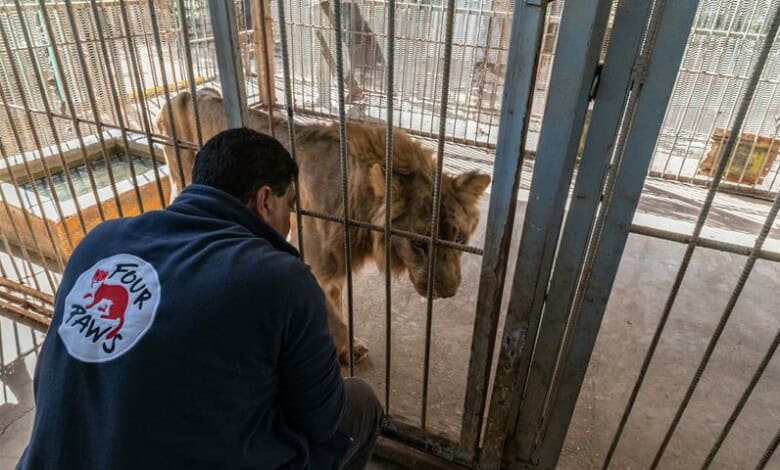
Amid the chaos of war, there are often voices that remain unheard, those of the innocent victims caught in the crossfire.
Among these are animals who endure the devastation of conflict zones, unable to escape the destruction or the abandonment that war brings.
The rescue of the lions from war-torn Sudan by the animal welfare organisation, Four Paws, is a powerful reminder of the urgent need to protect these vulnerable creatures.
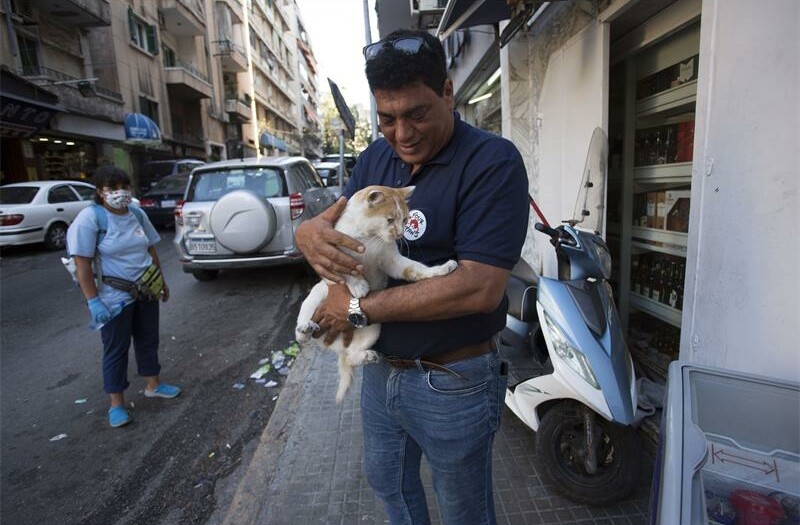
Dr Amir Khalil, director of Reveal and Rescue Response at Four Paws, has made it his life’s work to ensure the survival of animals trapped in crisis regions.
Khalil (born November 21 1964, in El Fayoum in Egypt) is mostly known as the “war vet”, saving animals from disaster areas and war zones.
After studying veterinary medicine at Cairo University, Khalil received a scholarship to study wild animals in Pretoria. When he was 25, he won a scholarship to Edinburgh University but chose to move to Vienna to start working for the international animal welfare organisation Four Paws.
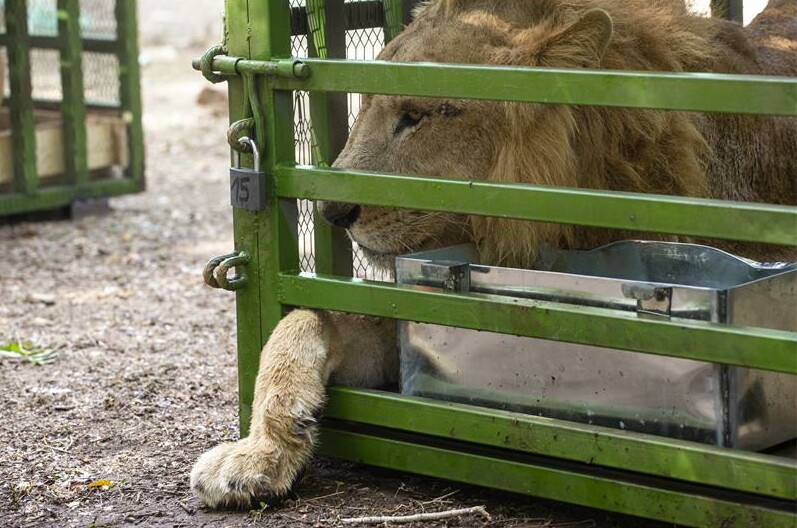
His team’s mission a year ago to evacuate lions from Sudan, a country embroiled in conflict, is nothing short of a testament to their dedication and resilience.
The lions, some of whom had been left to starve, suffered injuries and lived in fear amid the violence of war.
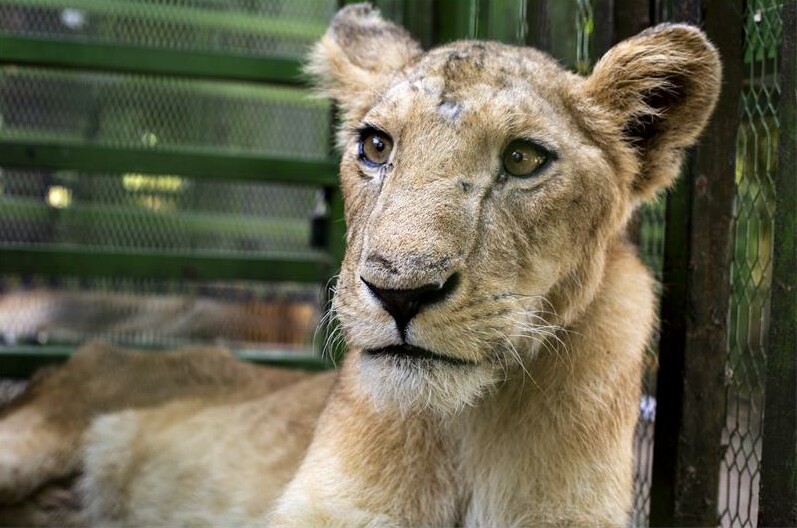
Today, a year later, the 11 lions rescued from war-torn Sudan have found a new lease on life at Lionsrock in South Africa.
They have undergone a remarkable transformation under expert care.
In addition to Sudan, Khalil has worked in regions such as Syria, Gaza, Iraq, and Libya.
One of the organisation’s well-known missions took place in Gaza during the 2014 conflict, where animals in zoos and sanctuaries were severely neglected due to the ongoing violence.
Khalil’s team managed to secure the release of a variety of animals, including lions and bears, and transported them to safer environments.
The task of rescuing these lions from Sudan was fraught with immense challenges.
Animals in these conflict-ridden areas suffer not only from the direct effects of violence but also from neglect and the loss of their habitats.
As Khalil so eloquently put it: “The story of the Sudan lions serves as a powerful reminder that animals in crisis regions are often the forgotten victims of conflict. It highlights the urgent need for global action to protect captive wildlife in war-torn areas.”
For Khalil, such animal rescues are more than just a mission; it is a calling.
As he continues to lead efforts for animal rescues, his words resonate deeply: “When conflict leads to the abandonment or neglect of captive wildlife or other animals under direct human influence, we face a unique challenge. By rescuing and rehabilitating these animals, we ensure the survival of captive animals that cannot be released back into the wild, but also show that animals are strongly dependent on the care of humans once captured.”
Fiona Miles, director of animal welfare organisation Four Paws South Africa, stated: “The rescue of lions from conflict-stricken Sudan faced major challenges, including the safety of the team and the animals, navigating active conflict zones, securing legal permits, and stabilising traumatised and emaciated animals.”
Despite these obstacles, the team showed remarkable dedication. They successfully evacuated the lions, providing them a second chance at life in a peaceful sanctuary far from the horrors of war.
This rescue operation, however, was just the beginning of a long and painstaking journey to restore the health and dignity of these majestic creatures.
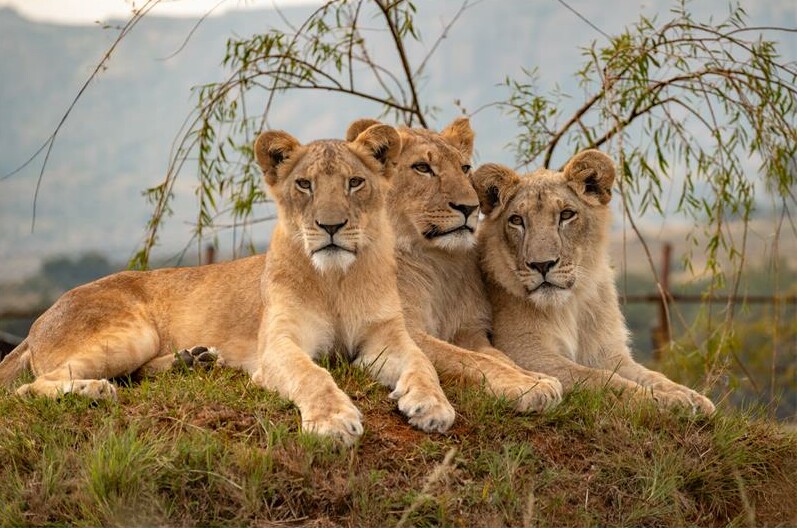
Upon their arrival at Lionsrock Big Cat Sanctuary near Bethlehem in South Africa, the lions were in poor physical condition: malnourished, dehydrated, and suffering from untreated wounds.
The road to healing was gradual, but steady. Khalil and his team of dedicated veterinary experts and sanctuary staff worked tirelessly to manage the lions’ medical needs, including wound care and nutrition.
Their diet started with easily digestible meals and was gradually increased to promote healthy weight gain and strength recovery.
Among the most remarkable transformations is that of a lion named Moody. When he arrived at the sanctuary, Moody was a shadow of the majestic creature he was meant to be: starving, traumatised, and scarred.
He had not even started to grow his mane. Yet, under the care of the sanctuary team, Moody regained his health and strength.
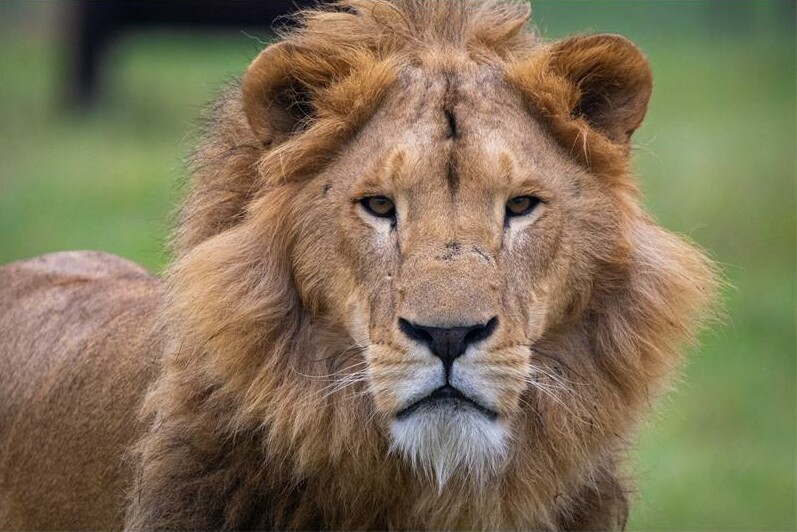
As Miles remarked, “Moody’s transformation from a starving, traumatised lion in Sudan to a thriving resident at our sanctuary is a powerful testament to the resilience of big cats.”
The lions are currently placed in a special care unit, allowing for close monitoring and specialised treatment. However, the long-term plan for their rehabilitation involves relocating them to larger, more species-appropriate enclosures.
– Click here to see more about the Sudan rescue mission:
https://www.youtube.com/@FOURPAWS.International/
Do you have more information about the story?
Please send us an email to bennittb@rekord.co.za or phone us on 083 625 4114.
For free breaking and community news, visit Rekord’s websites: Rekord East
For more news and interesting articles, like Rekord on Facebook, follow us on Twitter or Instagram or TikTok.