Tshwane leads push to save Hennops River from upstream collapse
The battle to save the Hennops River has reached a turning point as Gauteng's three biggest metros have united to fix the Kaalspruit catchment upstream.
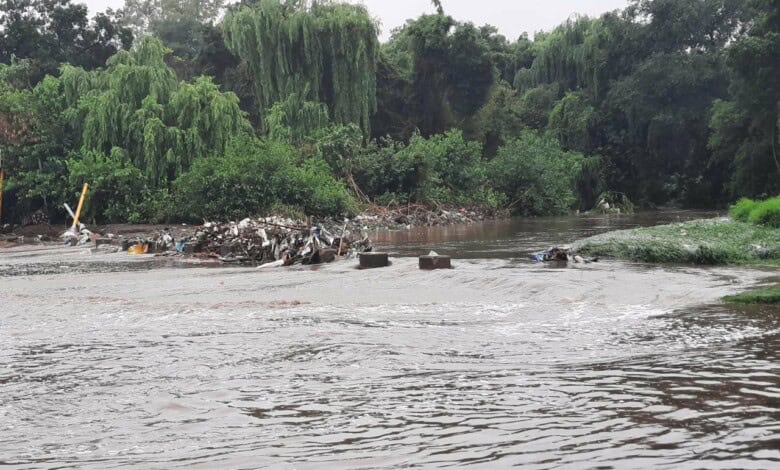
Tshwane has officially partnered with the Johannesburg and Ekurhuleni metros to rescue the heavily polluted Hennops River by addressing its most critical upstream source, the Kaalspruit River.
This was announced by Tshwane Mayor Dr Nasiphi Moya last week.
The Kaalspruit River originates in Ekurhuleni and flows through the Johannesburg metro before joining the Hennops River.
It has become a significant contributor to the pollution crisis affecting the larger river system.
Moya warned that years of rapid urbanisation, the rise of informal settlements near embankments, and the dumping of raw sewage and municipal waste have led to the Kaalspruit’s progressive environmental collapse.
City of Tshwane partners with City of Ekurhuleni and City of Johannesburg to tackle rehabilitation of Kaalspruit Catchment. @CityTshwane pic.twitter.com/u0JykfVi4x
— Dr Nasiphi Moya (@nasiphim) May 27, 2025
She described a recent joint meeting of the three metros on May 26 as a defining moment for Tshwane’s administration.
“For too long, we have been plagued by the declining state of the Hennops River and overwhelmed by a sense of helplessness because of our inability to address the upstream causes of pollution,” Moya said.
She explained that this environmental damage reflects shared struggles among the metros, such as population growth, service delivery gaps, and limited resources, but also a shared responsibility.
“This river system is deteriorating fast. Illegal sand mining and sewer mining have also compounded the situation, leading to excessive erosion and the silting up of the entire system, all the way past the Hennops River and down to Hartbeespoort Dam,” she said.
“It is by overcoming the blame game that the three metros can accept that we are in this together and commit to doing whatever it takes to fix it.”
Moya said the agreement between the municipalities includes the establishment of an inter-metro multidisciplinary Kaalspruit Task Team, made up of senior officials from the respective metros.
This team will regularly report to the three mayors and align existing plans into a combined proposal with technical interventions and funding requirements.
“During our meeting, we had a candid dialogue about the state of the Kaalspruit, the reasons for its condition, what is being done, and what the gaps are,” she said.
“This is the spirit of collaboration that will ensure Gauteng cultivates a healthy environment in which all our residents can live and thrive.”
Johannesburg’s MMC for Environment and Infrastructure Development Jack Sekwaila, Ekurhuleni Mayor Nkosiphile Xhakaza and Tshwane’s mayoral committee, city manager Johann Mettler, and officials came together.
Also present was Gauteng’s Department of Environment head, Blake Mosley-Lefatola, whose department developed the Kaalspruit Climate Resilient Catchment Management Plan that is set to guide the interventions.
Tshwane has long warned that cleaning the Hennops River in Centurion will be futile unless the Kaalspruit River is rehabilitated.
In March, metro spokesperson Lindela Mashigo told Rekord the state of the river is a direct reflection of the myriad actions that undermine the integrity of the Kaalspruit.
He explained that despite clean-up operations at the Hennops River, the continuous inflow of pollutants from Tembisa, Ivory Park, and other areas keeps the downstream waters heavily contaminated.
“The bulk of the pollution arises from nonpoint sources, especially in areas like Tembisa and Ivory Park, which remain largely unaddressed,” he said.
“While the national Department of Water and Sanitation (DWS) has focused on issuing pre-directives and directives in cases of non-compliance with water use licences, these interventions primarily address point-source pollution.”
He said Tshwane had appealed to the department since 2018, with another letter sent in January 2020, calling for co-ordinated national action to tackle the degradation of the Kaalspruit Catchment, a major cause of the pollution affecting the Hennops River.
“The issues outlined in these letters included water pollution from industrial and sewerage effluent, lack of waste disposal in densely populated areas like Tembisa and Ivory Park, and illegal sand mining activities occurring in Tembisa.”
He also pointed out that the DWS convenes the Hennops Catchment Forum every second month, where all challenges and water quality results are presented.
“Tshwane also participates in an intergovernmental initiative with the Johannesburg and Ekurhuleni metros, driven by the National Treasury and the World Bank, to address the rehabilitation of the Kaalspruit River.”
Mashigo added that the Gauteng Department of Environment has developed a climate-resilient catchment plan, which was completed in March 2023, in line with the Gauteng City Region Climate Change Response Strategy.
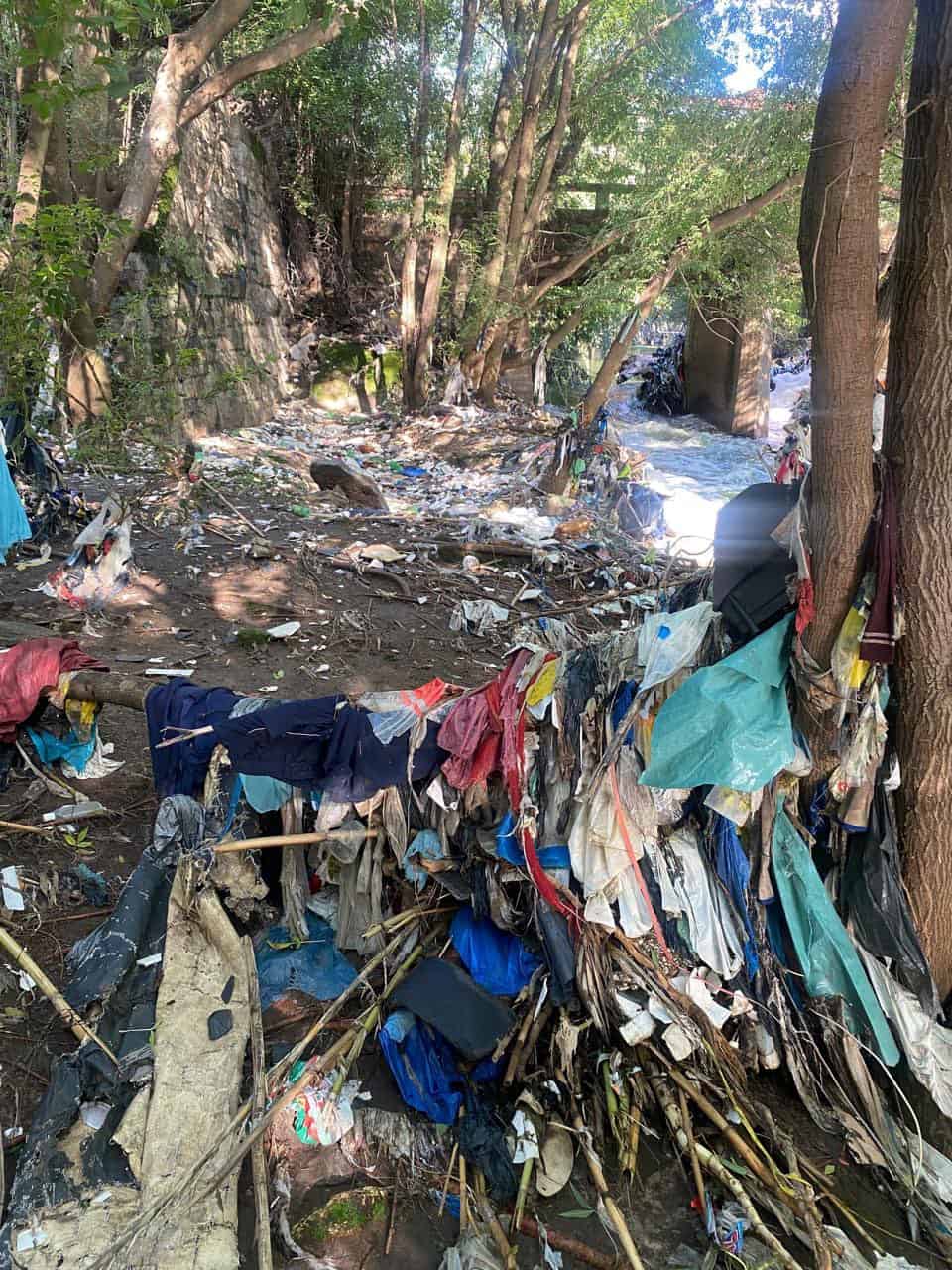
At the time, residents near the Hennops River expressed deep concern over the worsening state of the waterway.
Riana Coetzee, a long-time resident in the area, said that despite the many clean-up initiatives organised by various groups, the river seems to be getting worse.
“We’ve seen more waste and pollution accumulating over the past few months, which is affecting the quality of life in our community.”
She added that businesses which rely on the beauty of the river to attract customers, have also seen a drop in clientele and are suffering.
“It’s disheartening to see something so beautiful turned into a dumping ground,” said Coetzee.
Another resident, Hendrik van Wyk, said he couldn’t believe how much the river had deteriorated over the years.
“The smell is really unbearable, and it’s so disheartening to see the amount of litter and pollution in the river.
“The river is not just a water source; it’s part of our community and our identity,” said Van Wyk.
Do you have more information about the story?
Please send us an email to bennittb@rekord.co.za or phone us on 083 625 4114.
For free breaking and community news, visit Rekord’s websites: Rekord East
For more news and interesting articles, like Rekord on Facebook, follow us on Twitter or Instagram or TikTok.