Pretoria sees sharp rise in measles cases
Pretoria is experiencing a sharp rise in measles cases, with hotspot areas driving the surge. Here’s what you should know to stay protected.
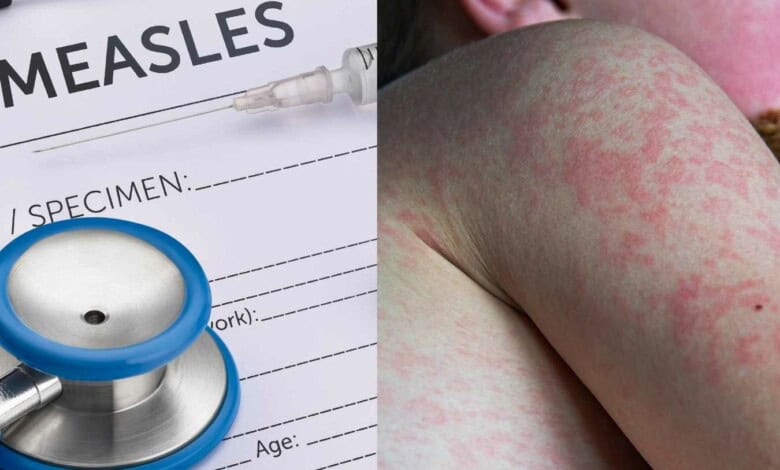
Pretoria is facing a surge in measles cases, with the majority of new infections reported in hotspot areas such as Mamelodi and Winterveld.
In response, the Gauteng Department of Health has intensified its vaccination campaign across schools and communities in Tshwane, aiming to close the growing immunity gap and prevent further spread of the highly contagious disease.
According to spokesperson Motalatale Modiba, in the latest reporting period, Gauteng recorded 15 new measles cases, with 10 reported in Tshwane, two in Johannesburg, two in Ekurhuleni, and one in the West Rand.
“The outbreak remains active in specific hotspot areas including Mamelodi and Winterveld in Tshwane, where 35 and 10 cases have been reported respectively.”
Modiba said the department has embarked on an aggressive targeted vaccination campaign in schools, with over 18,000 learners vaccinated to date in more than 15 schools in Mamelodi and 16 schools in Winterveld.
“In response, Inter-facility immunisation has also commenced, offering measles-rubella booster doses to all age groups regardless of prior vaccination history.
“The outbreak has revealed a concerning immunity gap in the province, particularly among children who are either not fully vaccinated or have never received the measles or rubella vaccine.”
He said immunisation coverage for the second dose of the measles vaccine remains below 75% in both Johannesburg and Tshwane, significantly below the level required to prevent outbreaks.
“There have been 16 reported hospital admissions linked to measles in Tshwane, all of whom have since been discharged. No deaths have been reported.”
Modiba said health facilities have been instructed to isolate positive cases and vaccinate close contacts immediately.
“The public is reminded that individuals infected with measles must isolate at home for at least seven days to prevent further transmission. All suspected cases are provided with Vitamin A supplements to reduce the risk of complications.
“The department remains committed to containing the spread of measles and rubella in the province and urges the public to remain vigilant, get vaccinated, and take the necessary precautions to protect themselves and those around them.”
Measles symptoms show up around 7 to 14 days after contact with the virus.
The first symptoms usually are:
- High Fever,
- Dry cough.
- Runny nose.
- Red, watering eyes, called conjunctivitis.
About 2 to 3 days after the first symptoms, you also may see tiny white spots inside the mouth, called Koplik spots.
About 3 to 5 days after symptoms first start, or about 14 days after you come into contact with the virus, it’s common to see a rash. The rash is made up of large, flat spots and small raised bumps. The rash starts on the face or neck and spreads down the body from the chest to the arms and legs.
A person with measles can spread the virus four days before the rash appears and four days after. Measles can spread very easily.
Also read: Tax Season 2025: Here is everything you should know
Do you have more information about the story?
Please send us an email to bennittb@rekord.co.za or phone us on 083 625 4114.
For free breaking and community news, visit Rekord’s websites: Rekord East
For more news and interesting articles, like Rekord on Facebook, follow us on Twitter or Instagram or TikTok.