Tshwane energy summit pushes for small nuclear reactors as future power solution
The summit aimed to build a smarter energy system focused on powering a sustainable and inclusive future for Tshwane.
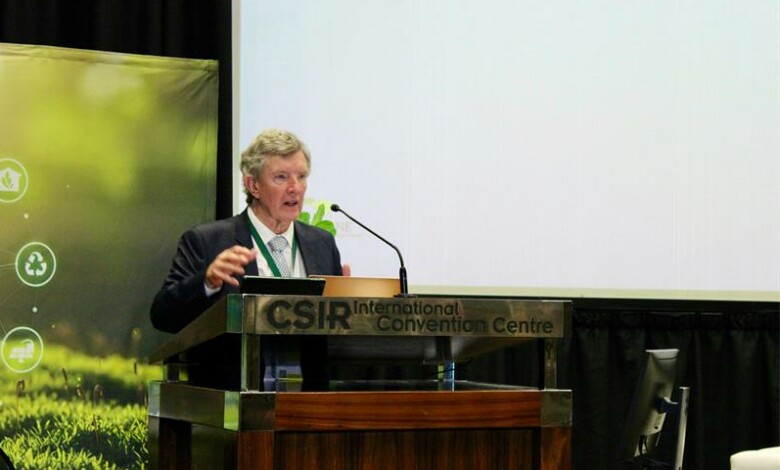
Tshwane’s energy future was the main theme of the Energy Summit 2025 held at the CSIR convention centre on June 13.
The summit drew stakeholders from civil society, government and business, all grappling with growing energy demands and pressure to transition towards clean, reliable energy sources.
According to Dr Kelvin Kemm, Chairman of Stratek Global, small modular reactors (SMRs) could supply reliable and stable electricity by being sited around the municipal area or clustered together in groups of two or four.
“Of great importance is the fact that the HTMR-100 nuclear reactor was designed within the Tshwane municipality and is now ready to be built. South Africa was the first country in the world to start designing a commercial SMR. This initiative has now spread around the world, so that many countries are now also pursuing SMR development,” said Kemm.
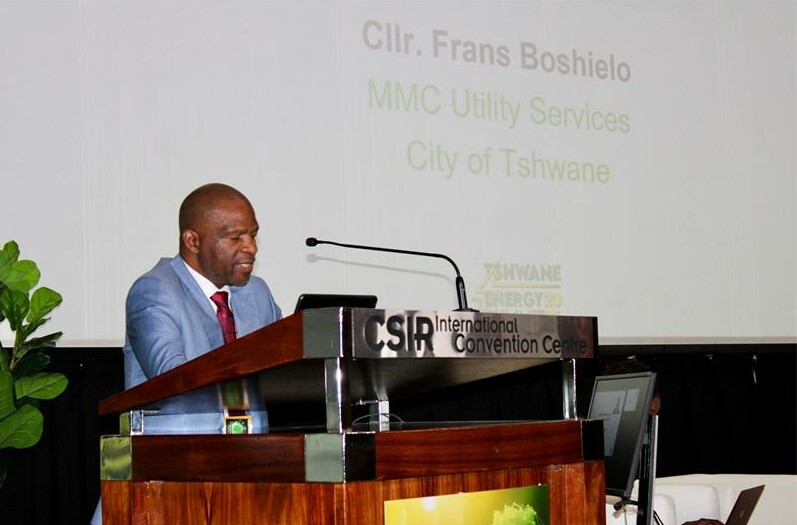
MMC for Utility Services Frans Boshielo explained Tshwane’s broader strategy to achieve energy stability and innovation.
“We aim to build a smarter energy system. A key priority is rolling out microgrid electrification to informal settlements. This system, powered by solar energy and battery storage, provides clean electricity to underserved communities. Our goal is to connect households, boost local economies, improve safety, and foster dignity,” he said.
Boshielo said these efforts are supported by the new energy access framework and electrification policy.
He said they are also repurposing municipal assets like the Rooiwal and Pretoria West power stations into energy generation hubs.
“We plan to introduce hybrid energy technologies to these sites, aiming for 1 000 megawatts of alternative energy in three years,” said Boshielo.
In addition, he emphasised the challenges facing the infrastructure.
“However, our infrastructure faces threats from vandalism, cable theft, and illegal connections. This has affected our supply reliability.”
In response Boshielo said they have implemented smart monitoring systems, including community energy wardens and increased law enforcement.
“Protecting energy infrastructure is a shared responsibility. Looking ahead, Tshwane’s energy transition focuses on attracting investment and diversifying supply,” he explained.
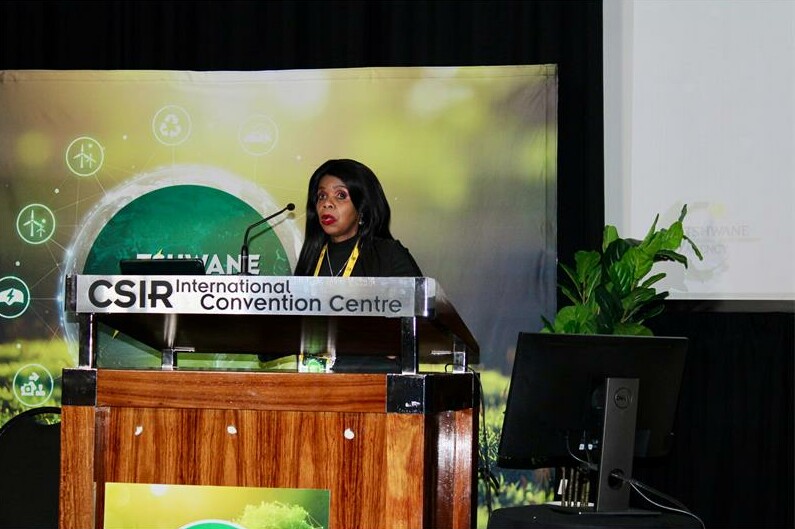
MMC for Economic Development and Spatial Planning, Sarah Mabotsa, highlighted the connection between energy stability and growing employment.
“The goal is a 3.9% growth rate and 80 000 new jobs by 2029. Eleven sectors have been identified, including automotive, industrial, manufacturing, digital, township economy and tourism.”
She said a stable and affordable energy supply is crucial for these goals.
Mabotsa emphasised the need to switch to green energy and develop sustainable cities.
She said South Africa is committed to the Paris Agreement to reduce emissions and combat climate change.
“Coal remains the main energy source, but its use has been declining since 2010, with a rise in alternative energy sources. Later, there will be discussions on the Energy Transition Initiative in Tshwane.”
Do you have more information about the story?
Please send us an email to bennittb@rekord.co.za or phone us on 083 625 4114.
For free breaking and community news, visit Rekord’s websites: Rekord East
For more news and interesting articles, like Rekord on Facebook, follow us on Twitter or Instagram or TikTok.