Minister: Conservation remains priority at Pretoria Botanical Garden
As public scrutiny of South Africa's botanical gardens continues, questions remain about how institutions such as Pretoria National Botanical Garden balance financial sustainability, recreation, tourism, and conservation in an increasingly constrained funding environment.
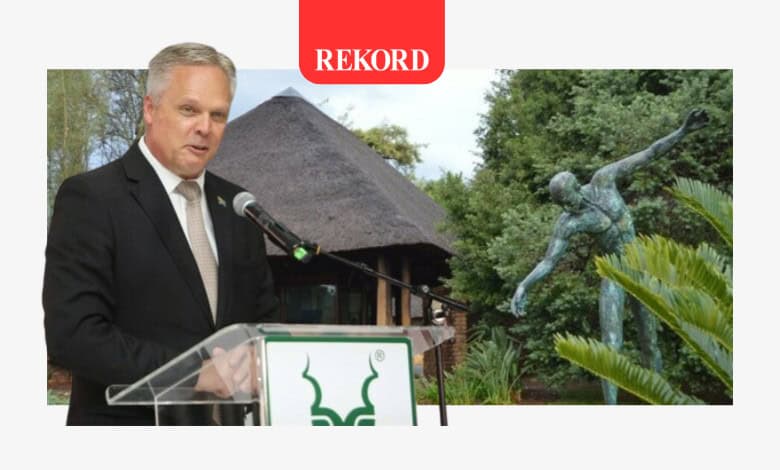
Concerns that the Pretoria National Botanical Garden is losing sight of its conservation mandate in favour of music concerts, sports and commercial activities have been rejected by Forestry, Fisheries and the Environment Minister Willie Aucamp.
The Pretoria National Botanical Garden recently introduced a night market with a beer garden.
The debate follows broader public scrutiny of South Africa’s botanical gardens, particularly after concerns were raised regarding the management and maintenance of the country’s flagship botanical garden, Kirstenbosch.
The minister’s response follows complaints from visitors who say parts of the Pretoria National Botanical Garden also appear neglected, with concerns ranging from littered ponds, to spaces overgrown with weeds and the apparent decline of specialised plant collections.
Critics argue that while the garden remains a popular destination for walkers, runners and recreational visitors, its original role as a showcase and conservation hub for South Africa’s indigenous flora is receiving less attention.
Among the complaints raised are reports of the decline of sections previously dedicated to herbs and medicinal plants as well as unacceptable noise levels during concerts for residents living in close-by residential neighbourhoods such as Brummeria, Weavind Park, and Lydiana.
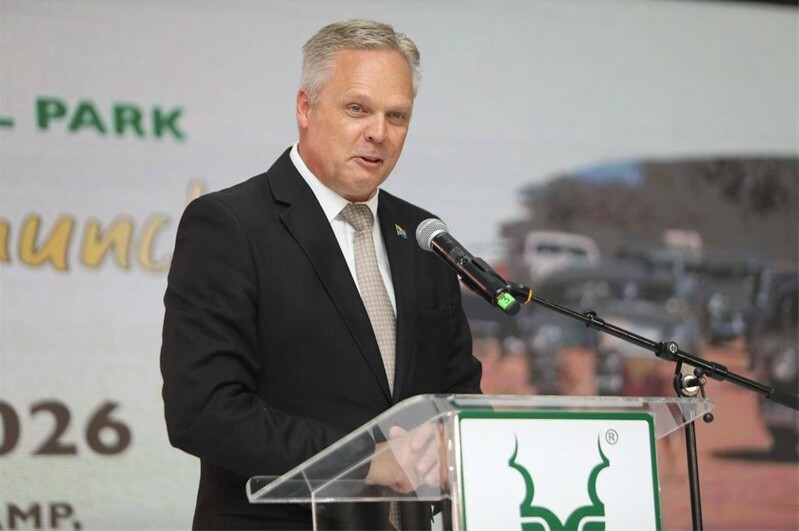
In response to questions from Rekord, Aucamp defended the management of the garden and the broader network of national botanical gardens managed by the South African National Biodiversity Institute (Sanbi).
According to the minister, revenue-generating activities such as events and recreational use form part of Sanbi’s Financial Sustainability Strategy and are necessary to supplement government funding.
“Events and recreational activities are key components of Sanbi’s Financial Sustainability Strategy, alongside sponsorships, donations, strategic partnerships, and public-private partnerships to enhance revenue generation,” he said.
Aucamp stressed that conservation remains a priority despite the emphasis on alternative revenue streams.
“Conserving indigenous plant collections remains a priority, with the National Herbarium in the Pretoria Botanical Garden continuing to conduct scientific research on plants in the garden and conservation work continues,” he said.
The National Herbarium is the largest herbarium in Africa and houses more than one million preserved plant specimens for scientific study. Supported by specialist researchers, laboratories and the continent’s largest botanical library, it identifies and names plants, discovers and describes new species, maintains Africa’s largest botanical database, and provides critical plant information to conservationists, government and the public.
Asked whether national botanical gardens are receiving sufficient horticultural and scientific support to maintain rare and endangered plant collections, Aucamp said he was satisfied with Sanbi’s approach.
He said Sanbi has implemented a capacity-building model to ensure horticultural staff receive ongoing training and development.
The minister also pointed to plans to appoint beneficiaries through the Department of Forestry, Fisheries and the Environment’s Expanded Public Works Programme environmental programmes to support maintenance of living collections and display areas during the 2026/27 financial year and beyond.
Additional support is also expected through tourism and youth employment initiatives.
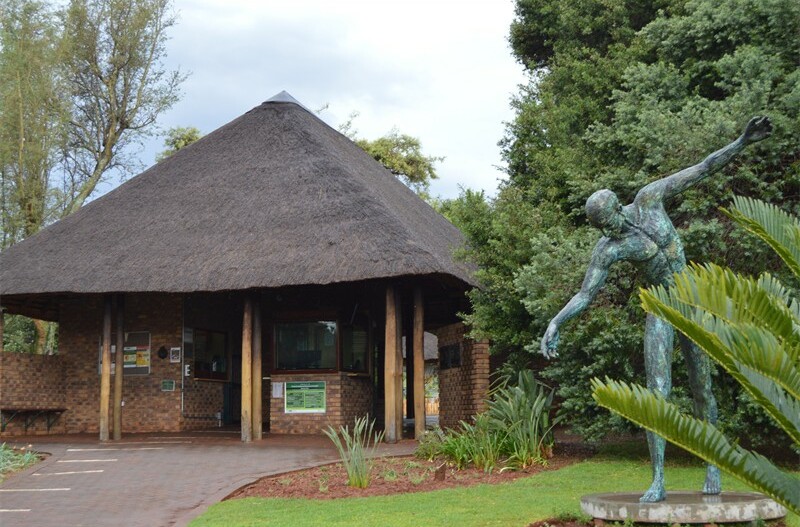
Aucamp said Sanbi continuously reviews operations at all national botanical gardens, including the Pretoria National Botanical Garden, and works with internal and external stakeholders to address challenges as they arise.
The minister outlined several oversight mechanisms aimed at ensuring botanical gardens remain focused on biodiversity conservation.
He said Sanbi reports quarterly to him and produces a range of statutory biodiversity assessments and reports.
He explained it also contributes scientific and policy advice to government and participates in several international biodiversity and climate-related forums.
Questions have also been raised nationally about the impact of budget constraints and the loss of specialist expertise within Sanbi.
Aucamp acknowledged that Sanbi has not escaped government budget cuts and said the organisation is increasingly focusing on diversifying its revenue sources.
“Where there are staff shortages, Sanbi is prioritising filling positions with candidates who have the relevant skills and expertise,” he said.
He cited the example of a specialist protea horticulturist position that took time to fill because of the specialised skills required.
Despite public concerns, the minister said the department has not received complaints regarding procurement delays affecting horticultural operations at the Pretoria National Botanical Garden or any other national botanical garden.
He also said the department has not received complaints or internal reports relating to neglect, declining plant collections or low staff morale at the Pretoria National Botanical Garden.
The possibility of an independent audit into the condition, funding and management of national botanical gardens was also raised.
Aucamp said the department relies on Sanbi’s board to perform its oversight role and noted that it undergoes annual audits by the Auditor-General of South Africa.
According to the minister, Sanbi received a clean audit outcome for the 2024/25 financial year and auditors are currently reviewing the 2025/26 financial year.
Providing assurances about the future of the Pretoria and Kirstenbosch national botanical gardens, Aucamp highlighted Sanbi’s long history as a conservation institution.
“Sanbi has existed as a conservation organisation for over 110 years. It continues to play a critical role in biodiversity conservation, environmental education, scientific research, horticultural excellence, and tourism,” he said.
He added that Kirstenbosch remains one of the world’s leading botanical gardens, while the Pretoria National Botanical Garden ranks among the top three best-performing gardens in Sanbi’s network.
For critics, however, the debate centres not on whether conservation work continues behind the scenes, but whether visitors can still see evidence of that mandate reflected in the condition and presentation of the gardens themselves.
Do you have more information about the story?
Please send us an email to bennittb@rekord.co.za or phone us on 083 625 4114.
For free breaking and community news, visit Rekord’s websites: Rekord East
For more news and interesting articles, like Rekord on Facebook, follow us on Twitter or Instagram or TikTok or WhatsApp Channel