Wolwespruit wetland cleared after 20-year standoff
After two decades of delays, Tshwane has finally cleared the Wolwespruit wetland of illegal occupants – opening the door for environmental rehabilitation and future development.
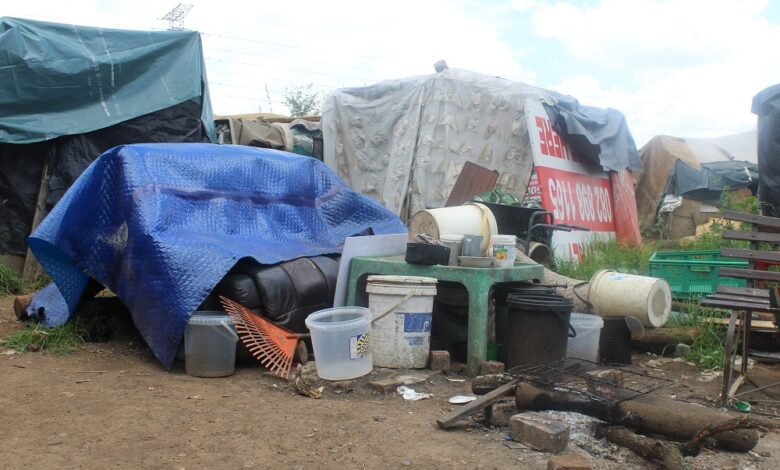
Tshwane metro, in collaboration with the Public Investment Corporation (PIC), is exploring ways to secure and rehabilitate the Wolwespruit wetland area after the removal of squatters.
On July 11, the metro completed the long-delayed relocation of illegal occupants from the environmentally sensitive Wolwespruit wetland, on the corner of Solomon Mahlangu Drive and Delmas Road.
The move has been hailed by various political parties and civil rights organisations as a critical step in resolving a 20-year-old environmental and legal standoff that has hindered development in surrounding areas.
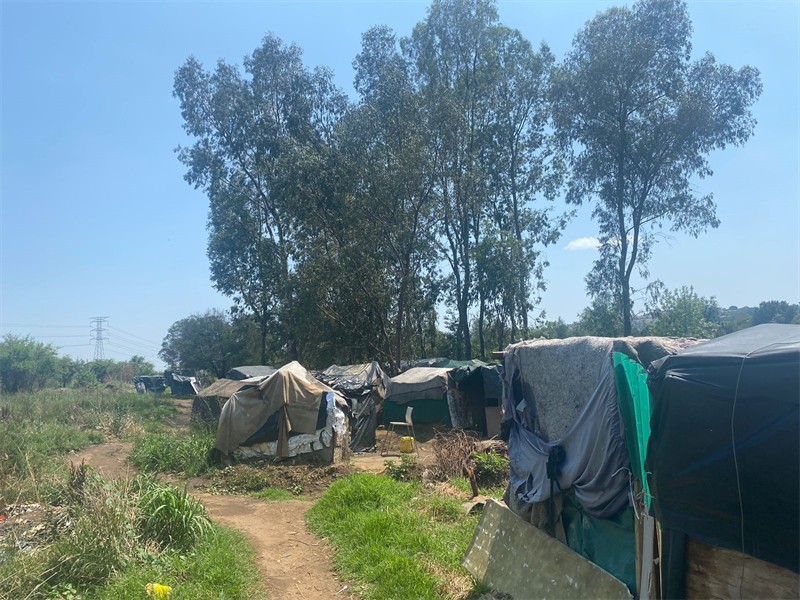
According to Tshwane spokesperson Lindela Mashigo, 70 verified South African nationals have now been resettled at Pienaarspoort Ext 22, 23, and 25.
These residents were part of a larger group of about 300 illegal squatters who had been occupying the wetland area for nearly two decades.
Mashigo said the remaining individuals, identified as foreign nationals, were cleared from the area, and the land has since been handed over to the PIC, which owns several adjacent properties.
He said the area is an environmentally sensitive area, which will not be developed immediately. However, any future developments would require comprehensive environmental assessments.
“For now, the city’s priority is to preserve and protect the space,” Mashigo stated.
ActionSA’s Tshwane caucus spokesperson, Henriette Frohlich, welcomed the successful eviction and relocation, citing that the intervention should pave the way for increased property development in areas such as Erasmuskloof, Moreleta Park, and Mooikloof.
“The city has demonstrated commitment to resolving this long-standing crisis, and identifying permanent stands was essential to restoring dignity to the affected residents,” Frohlich said.
She said the first eviction notices were issued in November 2021, after a 2020 census recorded 192 households at the site: 110 South African, 67 Basotho, and 15 Zimbabwean nationals.
“Legal attempts to relocate the community date back to July 2022, but were delayed by court challenges and opposition from human rights groups.”
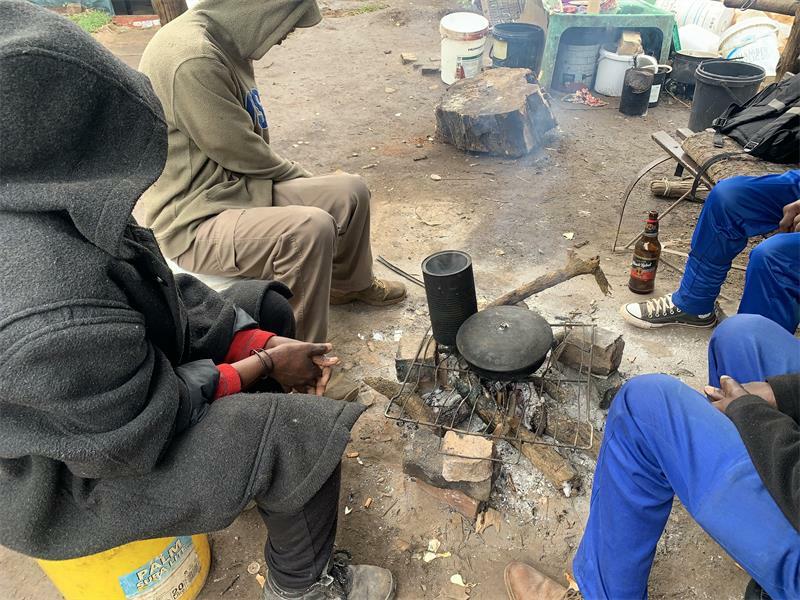
She said despite early resistance, the city eventually secured a court-ordered eviction, and relocation efforts resumed earlier this year, culminating in the recent clearance of the area.
AfriForum welcomed the successful relocation of illegal squatters, who have occupied the wetland in Erasmuskloof, near Wolwespruit, for years.
This follows the organisation’s submission of a full report on the impact of these illegal dwellings on the city earlier this year.
The civil rights organisation said the occupation of this area has caused serious problems such as an increase in crime, cable theft, and pollution.
According to them, all of this has been exacerbated by ongoing illegal recycling and dumping.
“This has damaged the environment almost beyond repair. However, efforts have now begun to rehabilitate this area.
Although there are still illegal squatters camping outside the site in Nossob Street and Solomon Mahlangu Drive, the Department of Human Settlements has undertaken to relocate them soon.”
ALSO READ: Wolwespruit wetland secured, illegal squatters evicted
Do you have more information about the story?
Please send us an email to bennittb@rekord.co.za or phone us on 083 625 4114.
For free breaking and community news, visit Rekord’s websites: Rekord East
For more news and interesting articles, like Rekord on Facebook, follow us on Twitter or Instagram or TikTok.