Tshwane’s CUPs become cornerstones of community revitalisation
A growing number of Tshwane communities are partnering with the metro through the Community Upliftment Precinct (CUP) initiative, turning residents into active partners in keeping their suburbs clean, safe, and maintained – without letting the metro off the hook.
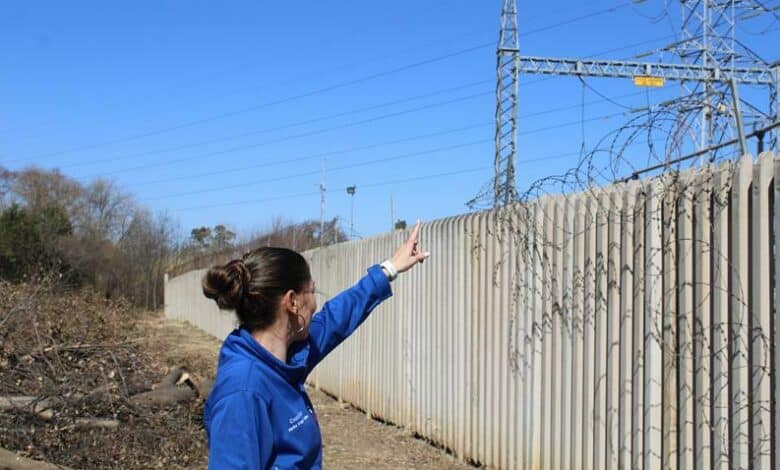
Tshwane metro’s Community Upliftment Precinct (CUP) initiative, which was launched in 2023, is quickly becoming a cornerstone of community-driven change across the metro.
The project enables residents, businesses, and communities to formally partner with the city to maintain and enhance public infrastructure in their areas.
According to metro spokesperson Lindela Mashigo, the initiative has already produced measurable results.
“The CUP initiative has truly transformed many neighbourhoods in the city. It encourages communities to take ownership of maintaining public infrastructure within their residential or business areas,” said Mashigo.
He highlighted that these collaborative efforts have garnered strong support and led to improvements such as streetlight repairs, grass cutting, and the repair of water pipe leakages in different areas.
“The initiative continues to have a positive impact on the city’s service delivery operations.”
Mashigo explained that CUP projects are closely monitored and must follow a formal application and approval process.
“Applications or proposals are required to align with the city’s core focus on service delivery to Tshwane’s communities.
“Each approved application should add value to the city’s service delivery objectives, while applications that do not contribute to these goals are rejected,” he said.
He added that city officials play a central role in providing oversight and due diligence.
“City officials ensure service delivery is carried out in accordance with norms, standards, and regulatory frameworks governing public services in the city.”
This oversight ensures CUP initiatives are implemented effectively and have a meaningful impact.
Mashigo further clarified the responsibilities of the city and CUP partners, particularly in Region 4.
“The CUP does not absolve the city from its service delivery responsibilities. It is a supplementary service, as approved by Region 4 and the city manager.
“Services outside the CUP agreement, such as repairing water leaks and maintaining electrical substations, remain the city’s responsibility,” he added.
Regarding how often maintenance takes place, Mashigo said the upkeep of existing CUPs is included in regional maintenance plans, which provide for weekly schedules across all wards.
“The city continues to play a supporting role throughout the process. The relevant service delivery department or region provides oversight, guidance on compliance, and maintenance support for existing CUPs.”
He said that a total of 46 CUP applications have been received, with 29 approved and still active in Region 4.
Mashigo also shared several examples of successful CUPs in Region 4:
– The Centurion Westside Precinct focuses on Centurion CBD, handling daily cleaning and maintenance.
– Welriet NPC maintains parks, road reserves, and streetlights in Elarduspark, Wingate Park, and Rietvalleirand.
– At Eldo Manor, residents assist with streetlight repairs and road reserve maintenance.
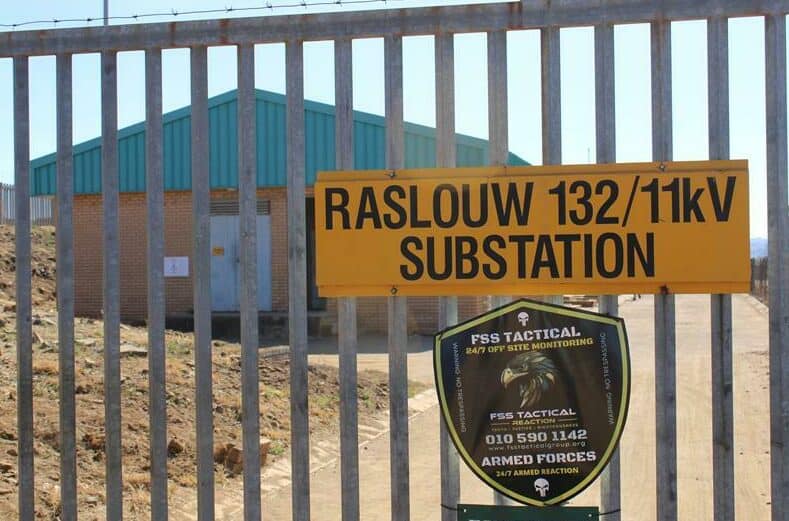
– In Raslouw, Claudius, and Louwlardia, the community collaborates with the city to secure substations, resulting in significantly reduced vandalism and power outages.
– The Institute for Islamic Studies in Claudius upgraded a park by installing benches and play equipment, transforming it into a valuable community facility.
– The Atteridgeville Heritage Foundation, under the leadership of Goodwill Makhudu, restored and continues to maintain the Atteridgeville Heritage Site.
– In Laudium CBD, local business owners maintain the commercial area, while the homeowners’ associations of Blue Valley, Eldoraigne, Thatch Hill, and Thornfield have assisted with streetlight repairs and maintenance.
Centurion residents have responded positively to the initiative.
Tanya Davids, a resident of Raslouw, said it gives people a real opportunity to contribute to their communities.
“This is an empowering step forward. We no longer just wait for things to happen because we can actually do something when we see a problem.”
She believes CUPs are helping to restore pride in neighbourhoods.
Gabriel Mailula from Heuweloord said the initiative helps bridge capacity gaps within the metro.
“It’s refreshing to see that the metro is open to partnerships. CUPs allow businesses and residents with the means to step in and assist, especially where the city might be stretched,” he said.
Ward 70 Councillor Marika Kruger-Muller said there is currently one approved CUP in her ward for the Raslouw Substation.
“That substation used to suffer from constant cable theft. But since the Sunderland Ridge Industrial Business Forum came on board with private security, spotlights, and cameras, there have been no incidents,” she said.
She added that another CUP is in progress, aimed at safeguarding the R55 and Mimosa Avenue intersection, which is a hotspot for accidents and infrastructure theft.
“The traffic light at Almond Road and R55 was removed multiple times because of cable theft, leading to many accidents. The CUP will also focus on installing cameras to monitor the road and municipal infrastructure.”
Muller noted that since the R55 is a provincial road, the project requires approval from the province.
“The CUP initiative is helpful for residents and businesses if the correct procedures are followed. It encourages accountability for the environment,” she said.
Ward 64 councillor Alta de Kock described the programme as a step in the right direction, but pointed out delays in implementation.
“Residents want to help, and that is good, but the municipality takes too long to respond. The process should be easier and quicker.
“The city needs to be more lenient and responsive to support community efforts,” said De Kock.
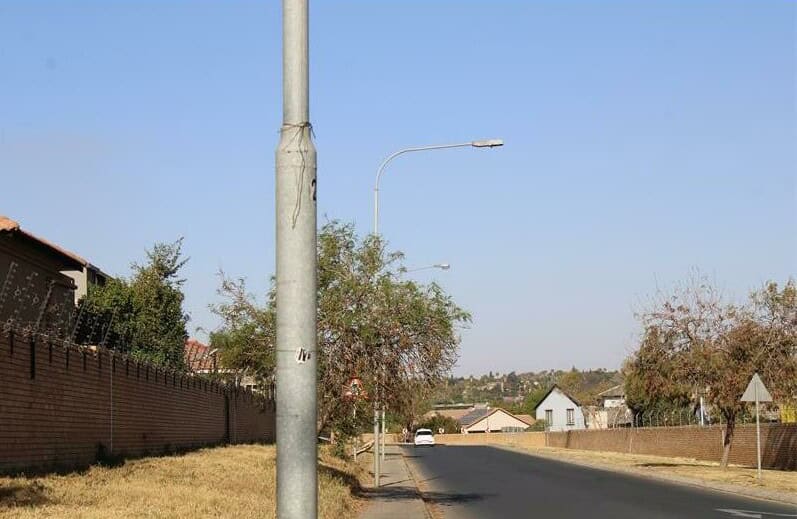
Ward 69 councillor Cindy Billson said she currently has two CUPs underway in her ward, both focused on streetlights.
“One is in Eldo Urban, and the other is in Eldo Security Village. The Eldo Urban CUP has already started, and we are finalising approval for the other,” she said.
Billson added that city officials recently met with the residents’ association to answer questions and assess what changes might be needed on the city’s side before final approval.
“We are also working on a third CUP that will address all the streetlights on the main routes in Ward 69.”
She noted that previous CUPs in her ward had shown strong results.
“The CUP we had in Uitsig Park was a great success. It involved fixing all streetlights in the restricted access area. Another one from Eldo Security Village focused only on road maintenance, including road repairs,” she said.
Billson said the programme brings people together around shared goals.
“The CUP initiative is a great concept. It gives the community an opportunity to be part of the solution. However, it should never take away the responsibility of the city to deliver services using the rates and taxes paid by residents.”
Do you have more information about the story?
Please send us an email to bennittb@rekord.co.za or phone us on 083 625 4114.
For free breaking and community news, visit Rekord’s websites: Rekord East
For more news and interesting articles, like Rekord on Facebook, follow us on Twitter or Instagram or TikTok.