New energy plan to tackle theft, sabotage in far east suburbs
After years of persistent outages and growing frustration, the metro has committed to a plan aimed at resolving the ongoing electricity crisis in Groenkloof and its surrounding areas.
The Tshwane metro has finally come up with a co-ordinated plan to reduce the recurring power outages that have plagued Groenkloof, Muckleneuk, Lukasrand and parts of Nieuw Muckleneuk.
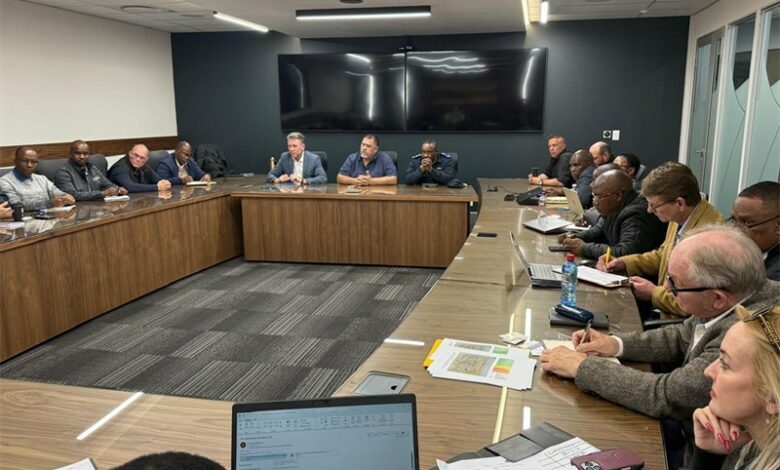
Following months of pressure from residents, metro officials and political leadership met on July 17 at Groenkloof CBC Office Park to discuss the persistent infrastructure failures.
The meeting was attended by the mayor, Dr Nasiphi Moya, MMC for Utility Services Frans Boshielo, senior officials from Region 3 Electricity, TMPD leadership, and community stakeholders.
At the heart of the crisis lies the vulnerable Berea-Unisa-Tuks-SABS-Groenkloof electricity corridor, where cable theft, ageing infrastructure, and lack of visibility have made power supply unreliable.
“We’ve acknowledged that the status quo is untenable. The power failures in Groenkloof and surrounding areas are not just technical issues; they’re economic and social threats,” said Boshielo.
He said the metro is implementing a multi-pronged response plan involving cable rerouting, lighting upgrades, and security reinforcement.
Groenkloof and surrounding suburbs are currently serviced by the SABS 11kV substation, supplied via Eskom’s Maniva Substation through the Skinner 132/11kV Substation.
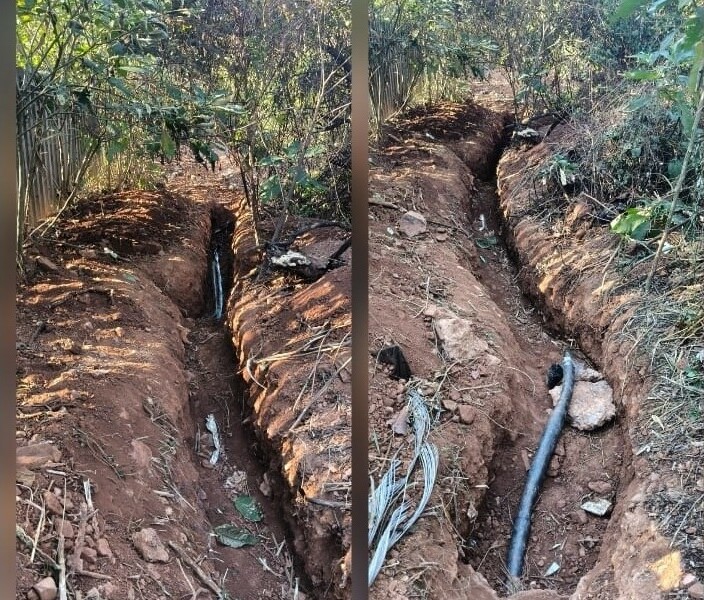
However, all three key feeder cables to the area, including one interlock cable from Berea Substation, are vulnerable due to theft, vandalism, and complex terrain challenges.
“Vandals have targeted the Berea switchgears and exploited unlit bushy servitudes near the Unisa perimeter fence, where over 50 high mast lights have been vandalised.”
Boshielo said this not only compromises daily power reliability but also drastically reduces cable lifespan due to constant repairs and multiple joints.
He said the Groenkloof feeder alone experienced 12 medium-voltage outages in the past two fiscal years, each linked to theft or sabotage.
“The metro’s proposed solution includes rerouting the existing medium-voltage cables away from the vulnerable bushland adjacent to Unisa.
“Two feasibility studies are underway to determine whether rerouting to the north or through the Unisa campus itself would provide a more secure alternative.”
This follows years of trying to maintain a network built on outdated copper cabling and through a terrain that’s nearly impossible to service or monitor.
Boshielo added that the metro plans to replace all damaged high-mast lights, which have contributed to the security vacuum enabling these syndicates.
He said in line with new energy efficiency goals, the metro is considering replacing vandalised lights with solar alternatives that are harder to tamper with and easier to maintain.
“More crucially, the city is exploring replacing the ageing copper cabling with aluminium, which carries lower resale value and is less attractive to thieves.”
Boshielo acknowledged that the current security response is not enough.
He said the TMPD will be working more closely with the police to monitor known cable theft hotspots while a specialised investigation tender is being explored.
“This would see the city partnering with an intelligence-driven firm that could trace and prosecute theft syndicates and produce monthly security reports.”
The plan includes using advanced underground monitoring tech that sends a pulse through the cable to detect tampering in real time.
Boshielo said funding priorities must also change.
“We’re looking at a shift in investment rather than pouring millions into repeated repairs. Let’s strengthen and secure the infrastructure from the start.
“If we lose revenue when customers go off the grid, why not spend smarter to prevent that from happening?”
Boshielo said these physical upgrades will be paired with renewed community partnership efforts. These include closer co-ordination with institutions like Unisa and Tuks, private security companies, and resident associations like Groenkloof Residents’ Association and the Muckleneuk Lukasrand Property Owners and Residents Association.
Ward 56 Councillor Shaun Wilkinson, who has persistently raised the vandalism issues on behalf of residents, welcomed the new momentum.
“This plan is long overdue. Residents in my ward have suffered repeated blackouts, often for days at a time, because of something preventable.”
Wilkinson emphasised that the real test lies in implementation.
He said it is encouraging to have this plan, but they must see action on the ground, in the substations, and on the streets.
“I’ll be keeping close track of every deadline and every project phase. My residents deserve nothing less.”
The metro promised that in the coming months, a formal roadmap will be developed by the Region 3 electricity department, detailing timelines, budget allocations, and deliverables.
“Monthly updates are expected to be shared with stakeholders, and a public-private task team will be formed to ensure continued progress.”
In parallel to the metro’s planning, recent provincial responses to cable theft have cast a stark spotlight on the scale of the crisis.
In a formal reply to the Gauteng Provincial Legislature, it was revealed that a total of 42 cable theft cases were reported in Tshwane between January and March alone, as per the latest available crime statistics.
The information was provided by the SAPS in response to a parliamentary question, addressed to the Speaker of the Gauteng Provincial Legislature, Morakane Mosupyoe.
While these cases have been logged, the SAPS said they could not comment on unreported incidents, nor provide the number of cables currently held at stations, citing security risks associated with such disclosure.
“No service level agreement or memorandum of understanding exists between them and the metro regarding the handling, registration, or return of confiscated cables.”
According to the document, recovered cables are logged into the SAPS 13 register at the respective police stations.
The police said that identified non-ferrous metals may be returned to verified owners upon presentation of an official letter of authority, while unclaimed materials are sold via registered scrap metal dealers under the informal tender process.
Do you have more information about the story?
Please send us an email to bennittb@rekord.co.za or phone us on 083 625 4114.
For free breaking and community news, visit Rekord’s websites: Rekord East
For more news and interesting articles, like Rekord on Facebook, follow us on Twitter or Instagram or TikTok.