Breastfeeding mothers need support for success
South Africa marks World Breastfeeding Week 2025 as exclusive breastfeeding rates, now at 22%, are on the decline. Stakeholders at an exhibition around this theme in Pretoria East have urged stronger support systems for mothers.
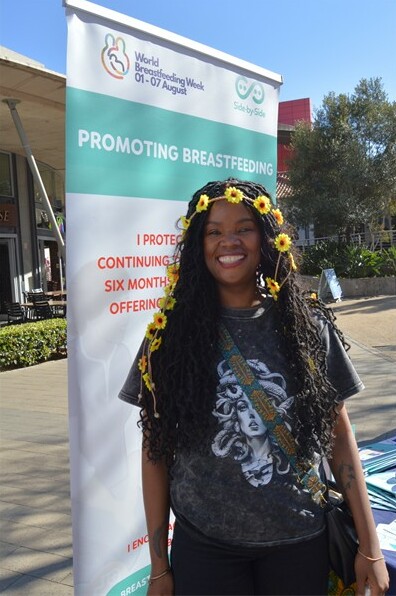
As the world marks World Breastfeeding Week from August 1 to 7, South Africa faces a pressing challenge: reversing its declining exclusive breastfeeding rates.
Despite global progress, with slight increases in exclusive breastfeeding worldwide, South Africa has seen a drop from 32% in 2016 to just 22% in 2024, putting the country far off track from meeting the targets of 50% by 2025 and 70% by 2030, set by the World Health Organization’s decision-making body, the World Health Assembly.
Recognising the urgency of the situation, the Department of Health, in collaboration with civil society organisations and partners, as well as Pretoria FM as media partner, launched this year’s campaign at Loftus Park Shopping Centre on August 1.
The event aimed to intensify awareness around the long-term health and developmental benefits of exclusive breastfeeding, not just for children, but for mothers and communities at large.
The World Health Organization, alongside governments, and community partners, continues to lead World Breastfeeding Week globally.
This year’s campaign theme shines a light on breastfeeding as a critical public health decision.
“The theme ‘Prioritise Breastfeeding: Create Sustainable Support Systems’, carries deep significance,” said Manini Moholo, spokesperson for the Gauteng Social Development Department.
“It highlights that breastfeeding leads to healthy beginnings for children, and contributes to a more sustainable and resilient future for all.”
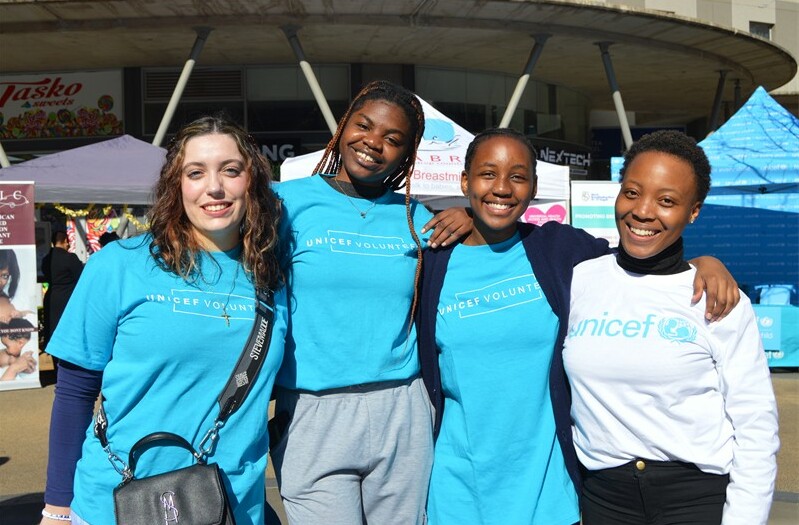
Despite strong messaging, many South African women still face barriers beyond awareness campaigns. Efforts fall short without structural and emotional support, especially in the workplace, at healthcare facilities, and within communities.
Josephine Selemani of the United Nations Children’s Fund called on workplaces to do more: “We still have some way to go to reach the global target of 70%, but we cannot give up because the health of our children is at stake.”
She urged employers to provide breastfeeding breaks and private spaces, allowing mothers to continue feeding their babies while returning to work.
Technological tools also play a critical role in bridging support gaps. Jane Sebidi, deputy director of MomConnect, highlighted the impact of digital maternal health services.
“Since its launch in 2014, almost 5 million mothers utilising public antenatal services have registered on the MomConnect platform in over 95% of public health facilities. Mothers receive health and pregnancy-related information until their baby is two.”
She added that the platform’s chatbot and text-based helpdesk allow mothers to seek guidance throughout their journey.
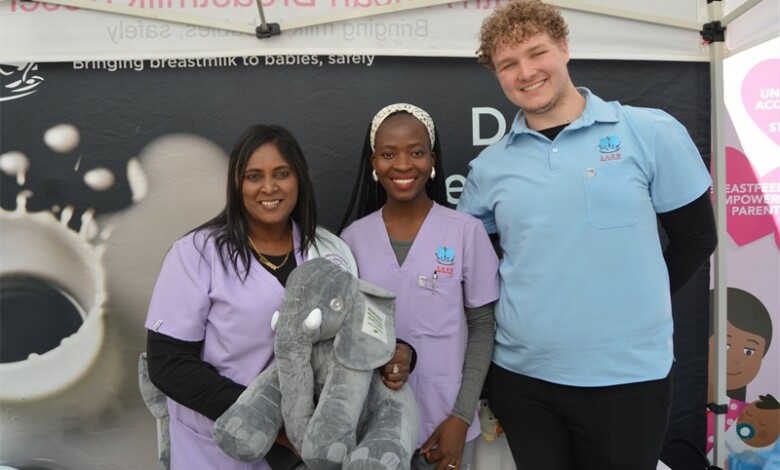
A highlight of the Pretoria event was the participation of the South African Breastmilk Reserve (SABR), which collected donated breast milk for their breast milk banks on the day.
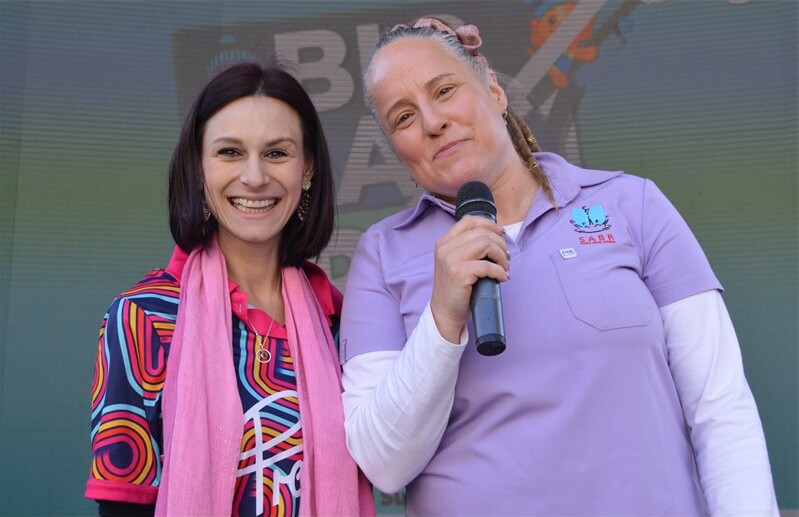
SABR spokesperson Stasha Jordan expressed deep gratitude to breastmilk donors: “We came to collect the donated milk, but what we received was so much more in laughter, hugs, tiny handshakes, and stories that inspire. Thank you for showing up, sharing love, and celebrating the gift of life with us.”
She reminded donors that ‘milk shared is love shared’, and that their generosity transforms survival into hope.
On the day, donations were limited to frozen breastmilk pumped within the past three months and transported in a cooler bag, or milk expressed on-site. Visitors were also encouraged to bring clean, used baby clothes, nappies, or new-born care items for The Grace Factory donation box at the stall of the SABR.
At the heart of this campaign are mothers who live the reality of breastfeeding daily.
Desiré Willemse, a mother from Faerie Glen, shared: “Breastfeeding keeps the baby healthy and is a special time to bond with your child. It is also convenient and much cheaper than buying expensive formula. You also save time.”
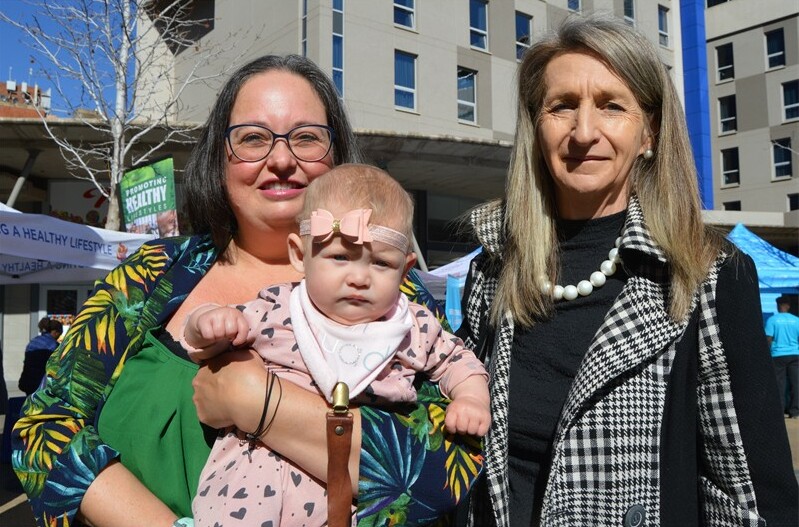
Breastfeeding, experts say, is not just the responsibility of the mother. Partners, family members, employers, and the broader society all have a role to play.
By helping with household chores, caring for other children, or simply offering emotional support, those close to new mothers can make an enormous difference.
Access to lactation consultants, support groups, and breastfeeding helplines can further guide and encourage mothers during the often-challenging early weeks.
– Any pregnant woman or mom can register for MomConnect in any of the following ways: Send “join” on WhatsApp to 079 631 2456 or dial *134*550*2# (free).
Do you have more information about the story?
Please send us an email to bennittb@rekord.co.za or phone us on 083 625 4114.
For free breaking and community news, visit Rekord’s websites: Rekord East
For more news and interesting articles, like Rekord on Facebook, follow us on Twitter or Instagram or TikTok.