Water cutback sparks outrage in informal settlements across the metro
Residents say the metro is denying them a basic human right after tanker deliveries were cut from daily to four times a week. Civil groups are threatening action through the Public Protector.
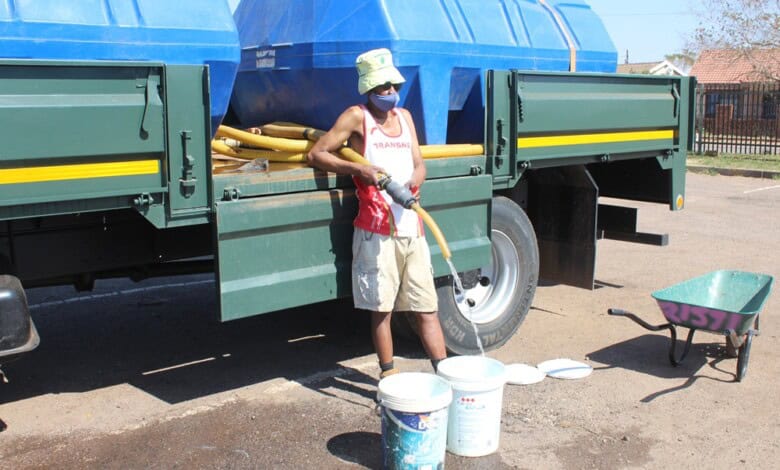
The Tshwane metro has reduced the supply of basic water to informal settlements by tankers to four days a week.
According to Tshwane metro spokesperson Lindela Mashigo, the reduction took effect from August 1.
Mashigo said the city had been providing 168 identified informal settlements with daily rudimentary water by tanker, with each tanker holding between 10 000 and 15 000 litres.
However, considering the approved budget for this financial year (2025/26), the city’s Human Settlements Department has decided to supply these areas with water on Mondays, Wednesdays, Fridays and Saturdays. This is to ensure that all the areas continue to receive rudimentary water services.
He said the metro apologised for the inconvenience that may be caused by this reduction of water provision days to informal settlement residents.
This move was necessitated by budgetary constraints facing the department.
The move to reduce services has brought dissatisfaction among residents in informal settlements.
Informal settlement residents in regions 5 and 6 have since called for the Tshwane metro to resolve the issue, which they believe is caused by a water shortage.
Informal settlement community leader, Emelda Mokoba, said the issue of water shortage started when a service provider complained that they were not getting paid for their services.
Mokoba said the issue started during April and mostly affected residents of Leeuwfontein and Pienaarspoort.
“The affected service providers have been forced to halt operations due to non-payment,” said Mokoba.
“Tshwane metro must resolve this matter immediately, because residents desperately need water to drink, bathe, and cook,” she said.
Bongani Ramontja from Soil of Africa said he condemned the metro for its alleged ongoing failure to provide basic water services and uphold the dignity and survival of thousands of residents in informal settlements.
Ramontja said the organisation questions how the Tshwane metro can plan to relocate over 5 200 residents of Mamelodi and more than 1 000 residents of Hammanskraal, while it fails to provide water to thousands already living in informal settlements.
“Communities are without water,” he said. “This is not just a logistical failure; it is a human rights crisis.
“When you deny people water, you deny them life, dignity, and the right to exist.”
The organisation further threatened to lodge a formal complaint with the Public Protector, seeking clarity about what happened to the budget allocated for water provision and relocation efforts.
“This is not about politics. This is about people,” said Ramontja.
Do you have more information about the story?
Please send us an email to bennittb@rekord.co.za or phone us on 083 625 4114.
For free breaking and community news, visit Rekord’s websites: Rekord East
For more news and interesting articles, like Rekord on Facebook, follow us on Twitter or Instagram or TikTok.