Centurion organisation supports mothers through breastfeeding challenges
La Leche League Centurion offers free peer support to mothers navigating the early days of breastfeeding, helping them overcome common struggles and build lifelong connections.
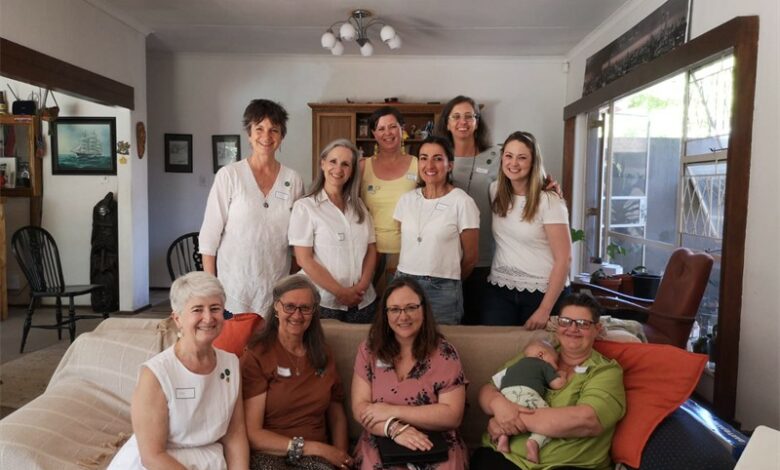
A Centurion non-profit organisation is uplifting mothers during the early days of breastfeeding this Women’s Month.
La Leche League Centurion, which was established in 2002, offers free, compassionate support to breastfeeding mothers.
Nicole Meyer, the long-serving leader of the Centurion branch, said she became involved after her own breastfeeding journey.
“When I was breastfeeding my baby, other mothers often asked me how I got it right,” she recalled.
“I joined when my eldest was 18 months old because I did not know anyone else still breastfeeding at that stage.”
It was through that sense of connection that she realised how vital peer support is.
“Once I started learning more, I saw there was a real need for mother-to-mother support. That is what makes this group so special.”
In its early days, one of the main challenges the Centurion group faced was finding a suitable venue.
“We constantly try to find a space where mothers feel comfortable. Public venues are not always ideal because some moms feel nervous about breastfeeding in public,” said Meyer.
“That is why we host our meetings in one of the mothers’ homes in Wierda Park. There is safe parking and enough space. We have been meeting there for the past three years.”
She added that meeting in a private, homely space helps mothers relax and speak openly about their experiences.
The group aims to fill a gap many new mothers face, which is often loneliness, uncertainty and a lack of reliable, evidence-based information.
“When a mother has just given birth, she is often sitting at home alone with a newborn and struggling. Coming to a meeting and connecting face-to-face with other mothers can make a huge difference. That is how many of us made lifelong friends.”
One of the most common concerns raised, Meyer said, is the fear of not producing enough milk.
“In about 95% of cases, it is not a supply issue. It is usually because the baby is not latching properly. Once that is corrected, things improve.”
Other frequent concerns include sore nipples, anxiety about breastfeeding in public and myths about milk drying up.
“We reassure mothers that they can breastfeed discreetly in public if they choose to. A breastfed baby deserves to be fed anywhere a bottle-fed baby would be,” she said.
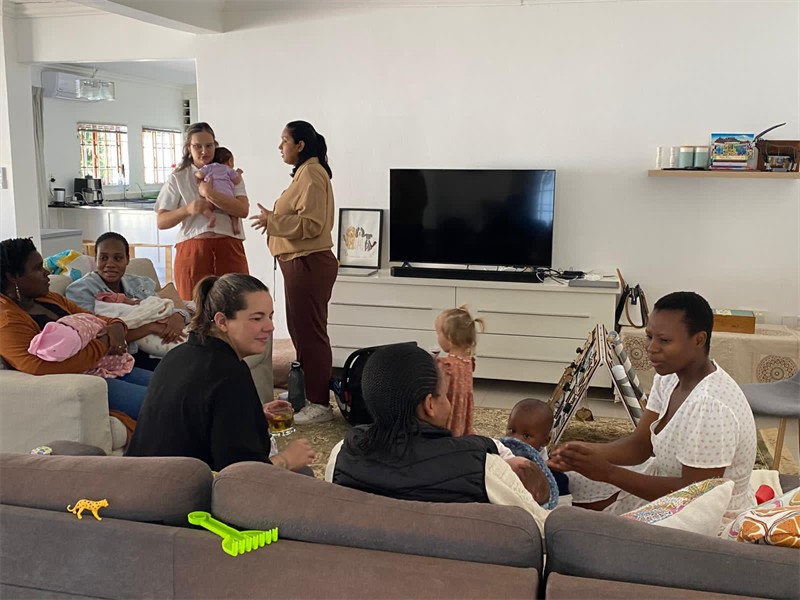
Image: Supplied
Beyond support and education, Meyer emphasised how important breastfeeding is in the current economic climate.
“Breastfeeding has always been the most natural option, but it is also cost-effective. Many mothers cannot afford formula. With support, they can succeed at breastfeeding and avoid unnecessary expenses and health risks.”
Though the organisation works quietly behind the scenes, its impact is lasting.
“I sometimes meet mothers we helped five or even 10 years ago, and they tell me how much it changed their lives,” said Meyer.
“Our help is completely free. We are all just mothers helping other mothers.”
One ongoing challenge is raising awareness.
“Many mothers do not know we exist. They struggle with painful nipples or milk worries for weeks before finding help. We want them to know we are here and ready to support as many mothers as we can.”
Meyer encouraged new mothers not to wait until they are overwhelmed.
“Do not wait until you are desperate. Reach out early. Read up on breastfeeding before your baby is born. The book, The Womanly Art of Breastfeeding by La Leche League International, is one of the best resources.”
One mother who turned to the organisation for support is Keitumetse Masilo (34) from Die Hoewes.
Her breastfeeding journey began with pain and confusion.
“I struggled to get my baby to latch in the hospital,” she said.
“I remembered skin-to-skin from antenatal classes, but no one explained how to breastfeed.”
The poor latch caused severe nipple damage, and she had to feed her newborn with a teaspoon because her baby could not latch.
She told Rekord she tried consulting private lactation experts, but the services were expensive.
At the same time, she felt isolated and unsupported.
“My baby fed frequently, and that made me worry about my milk supply. I kept wondering if she was getting enough. I felt inadequate and scared that she might become malnourished because I was her only food source,” said Masilo.
Eventually, she discovered La Leche League, which gave her the guidance and reassurance she needed.
“They explained that frequent feeding is normal. They gave me a checklist to track nappies and weight gain, and that made me feel more confident.”
But it was not just the information that helped.
“What I really needed was connection. I found other mothers who were also breastfeeding. We shared stories and became friends. Before that, I had no one who truly understood what I was going through,” she said.
Masilo also learnt valuable lessons, such as feeding on demand and how delaying the introduction of a bottle led to her baby refusing one.
“At first, my goal was six months. Then I pushed for a year. Now we are over two years in, and I have seen the beauty of letting my baby wean when she is ready.”
Today, she encourages other mothers to seek support early.
“La Leche League gave me a safe space. They were kind, helpful and never judged me. The support made all the difference.”
Do you have more information about the story?
Please send us an email to bennittb@rekord.co.za or phone us on 083 625 4114.
For free breaking and community news, visit Rekord’s websites: Rekord East
For more news and interesting articles, like Rekord on Facebook, follow us on Twitter or Instagram or TikTok.