Young minds embark on Pretoria zoo visit during National Gardens Week
Matsukubyane Middle School, Jabulane Technical High School, Chipa Tababe Middle School, and Entshonalanga Primary School in Tembisa received expert insight into the world of biodiversity and the sciences behind it.
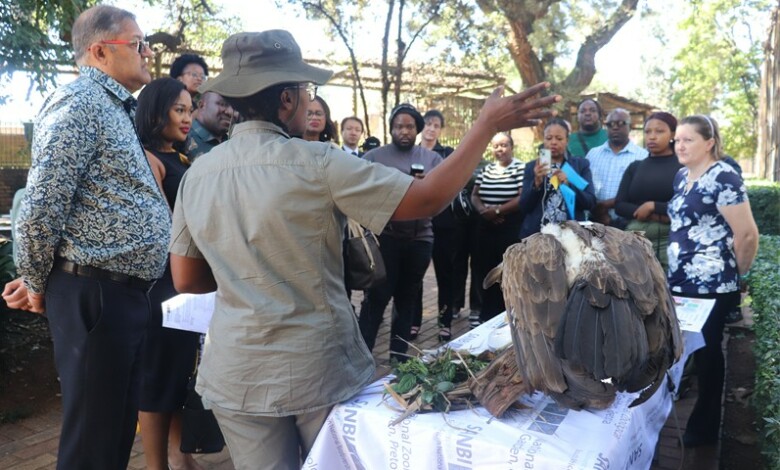
Hundreds of learners from various schools paid a visit to the Pretoria zoo as part of the National Gardens Week on March 10.
This week (March 9–13) is an initiative of the South African National Biodiversity Institute (Sanbi), which offers free access to some of its institutions.
The Deputy Minister of the Department of Forestry, Fisheries and the Environment (DFFE), Narend Singh, Sanbi board members and other stakeholders also attended.
This year’s theme is “Your free passport to nature: celebrate, restore and protect all life”.
Learners from Matsukubyane Middle School, Jabulane Technical High School, Chipa Tababe Middle School, and Entshonalanga Primary School in Tembisa were among the young visitors.
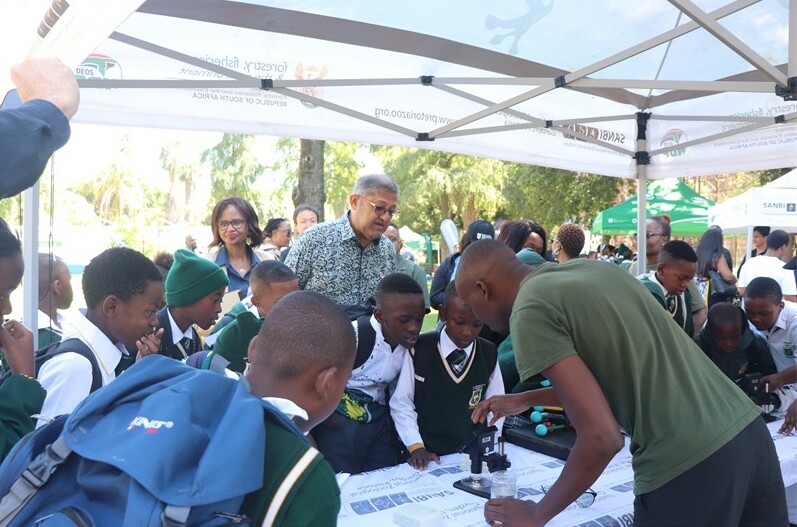
They received expert insight into the world of biodiversity and the sciences behind it.
Several stations were set up by supporting stakeholders, including the Roodeplaat Dam Nature Reserve, BirdLife South Africa, Provincial Agricultural Services, Think Sustainable, the Department of Water and Sanitation, the Tshwane metro, and several other educational institutions and private partners.
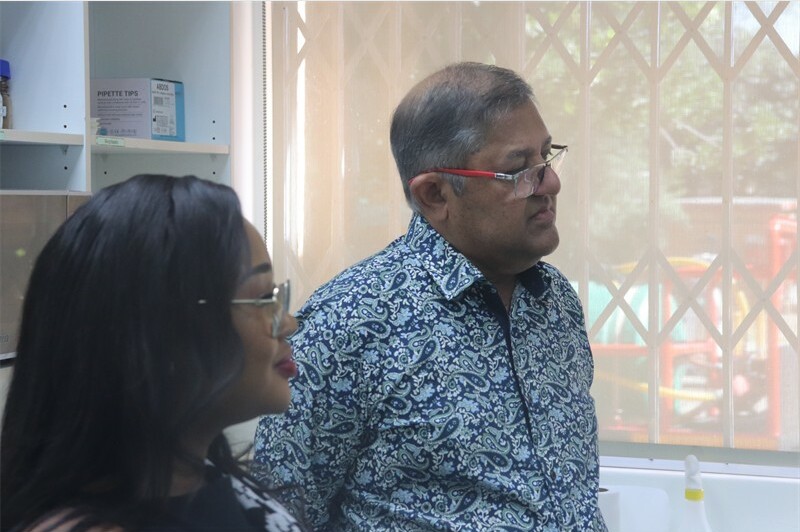
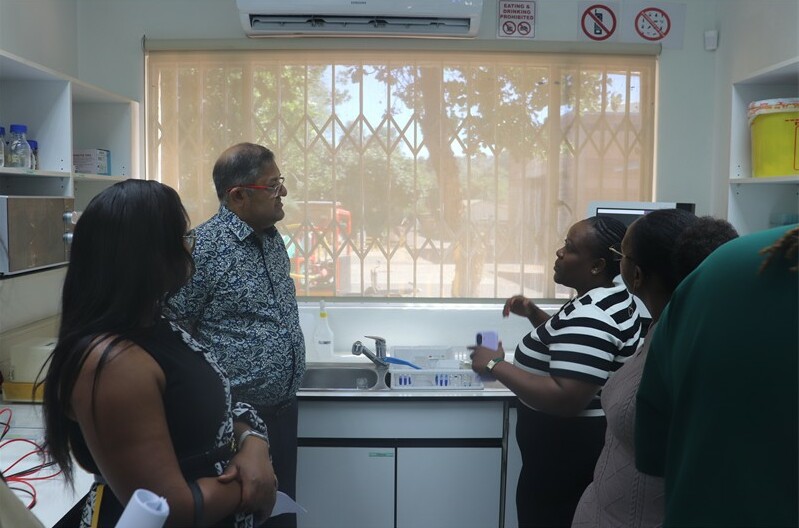
During his address, the deputy minister expressed his appreciation for the work being done at the zoo, especially during his laboratory tour of the premises, where he engaged with scientists.
“Creating awareness among young people about the importance of protecting our natural heritage and our national gardens is one of the most powerful investments we can make. When children grow up appreciating nature, they grow up prepared to defend it, innovate around it, and build careers in the green and biodiversity economy,” Singh said.
The Pretoria zoo is currently home to 4 700 animals, including amphibians, fish, reptiles, invertebrates and mammals.
It has four of the Big Five – lion, rhino, buffalo and leopard – and 15% of the species are endangered, highlighting the 126-year-old facility’s commitment to conservation.
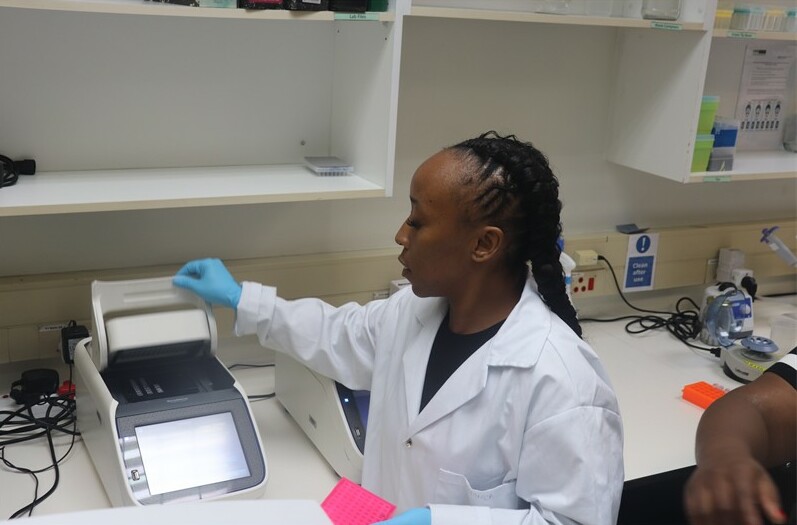
“The national garden’s state-of-the-art biodiversity research facilities enable critical foundational research that informs policy and conservation programmes in action. This facility houses the biggest biotissue bank on the continent and has Africa’s most sophisticated genetic and DNA research facility,” Singh said.
“Other facilities, including the National Herbarium in Pretoria, house the largest collection of plant specimens documenting changes in biodiversity over centuries.”
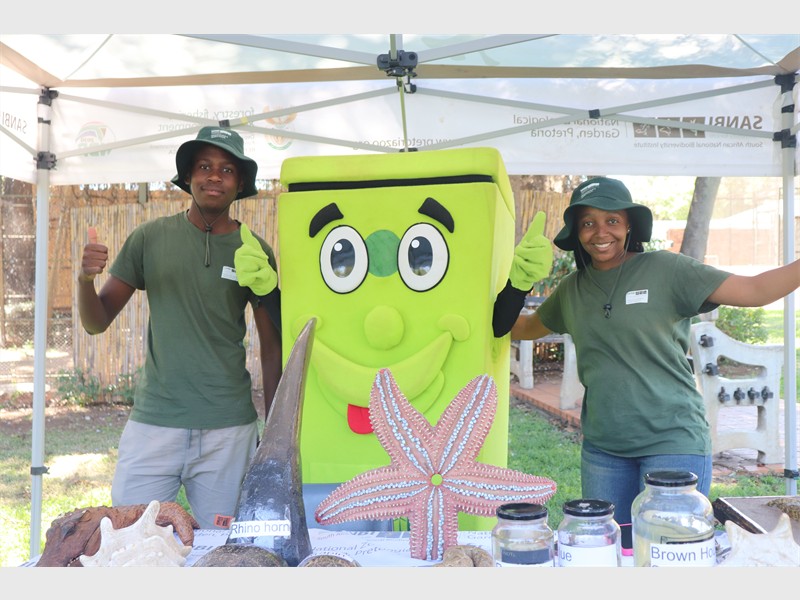
Over 200 000 learners nationwide participate in biodiversity education programmes across all gardens, an initiative Singh said is essential for environmental stewardship.
While the zoo is repositioning its strategy with support from a Public-Private Partnership (PPP) initiative registered with the National Treasury, which is still in its feasibility phase, the private sector needs to come on board in the fight for conservation.
“I call on the business community to partner with us in the conservation of national botanical and zoological gardens.
For example, the vulture conservation programme. Since 1996, the NZG has been at the forefront of breeding Cape vultures and has partnered with VulPro in the release of these species back into the wild. The plan for the programme is to recover these populations to an acceptable level by 2033, and we need partners to reinforce the concerted, collaborative and co-ordinated international efforts to achieve these goals,” Singh said.
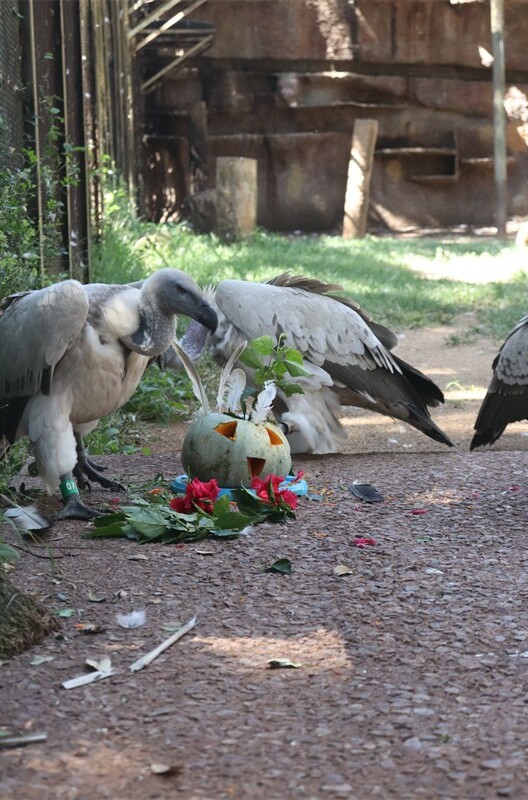
Another breeding programme focuses on endangered sungazer lizards, with five successful births since 2020. The zoo remains one of the few facilities in the world that has successfully bred this species in controlled environments.
Singh said corporate support would go a long way in assisting with other infrastructure projects the department aims to pursue, which require urgent intervention to improve the facility.
“As you can see, the education programme here is robust, but there is room to do more. We would like to see more schoolchildren from townships and surrounding areas, and beyond, visiting our facilities and developing their biodiversity knowledge,” he said.
“We call on the corporate sector to support our education programme through their CSI (Corporate Social Investment) projects and take advantage of this investment to bolster their contribution to the ESG (Environmental, Social and Governance) framework.”
Sanbi board member Bulelwa Koyana said the Pretoria zoo receives over a million visitors on average each year and that the institution is grateful for the support of the DFFE.
“As the board, we have developed several key strategies to ensure that organisational and financial stability is realised. Sanbi gardens play a pivotal role in the implementation of this strategy. The infrastructure programme, funded by the DFFE, has enabled Sanbi to improve the zoo and other gardens in the Sanbi portfolio,” Koyana said.
“This partnership with other mother departments enables Sanbi to maintain the National Botanical Gardens as windows into biodiversity for the enjoyment of everyone,” Koyana said.
In addition, the gardens’ educational outreach programmes aim to contribute to the biodiversity body of knowledge by supporting the biodiversity human capital development strategy, which Sanbi leads on behalf of the sector.
Watch here: https://www.facebook.com/reel/4529717787258053.
Do you have more information about the story?
Please send us an email to bennittb@rekord.co.za or phone us on 083 625 4114.
For free breaking and community news, visit Rekord’s websites: Rekord East
For more news and interesting articles, like Rekord on Facebook, follow us on Twitter or Instagram or TikTok or WhatsApp Channel