Most adult spectacles issued in Tshwane
People over 40 years old are urged to go for regular check-ups as they are the most at risk.
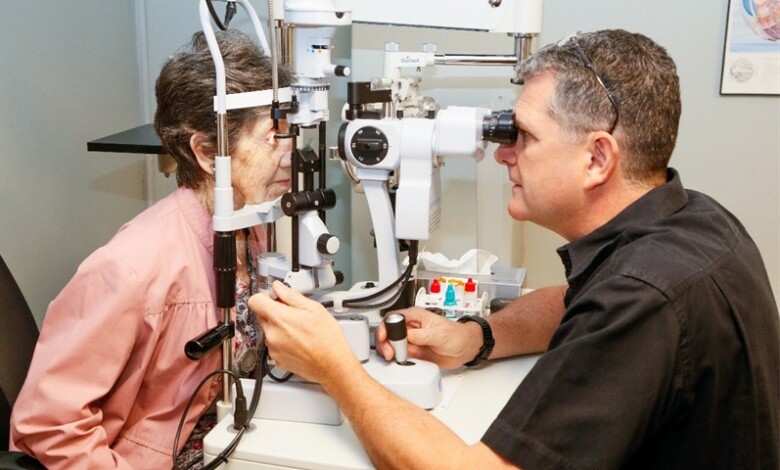
The Tshwane district issued the highest number of spectacles to adults in Gauteng as the country and the world mark World Glaucoma Week (March 8–14).
The Gauteng Department of Health (GDoH) said this year’s theme is Uniting for a Glaucoma-Free World. According to the World Health Organization, at least 2.2 billion people globally live with some form of vision impairment.
To combat the ‘silent thief of sight’, the department has expanded access to spectacles across the province. In the third quarter of the 2025/26 financial year, the department exceeded its targets for spectacles issued – achieving 102% of the adult target (75%) and surpassing the 70% target for children. The Tshwane district recorded the most spectacles issued to adults, while Ekurhuleni led the province for children.
“Glaucoma remains one of the leading causes of irreversible blindness, largely because it often develops without early warning signs,” said Gauteng MEC for Health and Wellness Nomantu Nkomo-Ralehoko. She encouraged residents, particularly those over 40 and people with chronic conditions, to have regular eye examinations.
The GDoH also plans continued community engagement about glaucoma via in-person events, radio and health facilities.
Dr Louis van der Hoven, CEO of the Pretoria Eye Institute, told Rekord that glaucoma is not infectious; it usually develops when the eye’s drainage system fails, increasing intraocular pressure and damaging the optic nerve.
“Glaucoma is a group of eye diseases that damage the optic nerve, which sends visual information to the brain,” he said. He explained that fluid inside the eye must be produced and drained continuously; when drainage falters, pressure rises and can cause gradual, permanent vision loss if not detected and treated early.
Common types of glaucoma include primary open-angle glaucoma, the most common form, developing slowly and often with no early symptoms, and angle-closure glaucoma, which is less common but sudden and serious, causing rapid vision loss and severe eye pain.

There is normal-tension glaucoma when optic nerve damage occurs despite normal eye pressure.
Secondary glaucoma develops from another condition, like an eye injury, inflammation, certain medications or other eye diseases, and congenital glaucoma, a rare form affecting babies and young children due to abnormal eye development.
People at higher risk include those over 40; people with a family history of glaucoma; individuals with high eye pressure; people with diabetes, hypertension or high myopia; and people of African descent.
“In the early stages, there are often no symptoms, which is why glaucoma is sometimes called the ‘silent thief of sight’,” Van der Hoven said. As it progresses, peripheral vision is lost, producing ‘tunnel vision’. In acute cases, symptoms can include severe eye pain, headache, blurred vision, halos around lights and nausea.
While lifestyle alone does not cause glaucoma, healthy habits support eye health and management of the condition. Regular exercise, controlling blood pressure and diabetes, avoiding smoking and attending regular eye exams can reduce risk. For diagnosed patients, consistent medication use and routine check-ups are essential.
Glaucoma cannot currently be cured, but can usually be managed if detected early. Treatment aims to lower intraocular pressure to prevent further damage, such as eye drops, the common first-line treatment but side effects can include redness, irritation or mild burning. Laser treatment improves fluid drainage and surgery to create a new drainage pathway when needed.
The goal is to slow or halt vision loss; existing damage is rarely reversible. “Adults should generally have a comprehensive eye examination every one to two years, especially after 40 or if they have risk factors such as a family history of glaucoma,” Van der Hoven said, stressing that early detection is the most powerful tool against glaucoma.
Do you have more information about the story?
Please send us an email to bennittb@rekord.co.za or phone us on 083 625 4114.
For free breaking and community news, visit Rekord’s websites: Rekord East
For more news and interesting articles, like Rekord on Facebook, follow us on Twitter or Instagram or TikTok or WhatsApp Channel