Warning after Pretoria solar fire
Experts urge Pretoria homeowners to prioritise safe solar installations after a recent house fire.
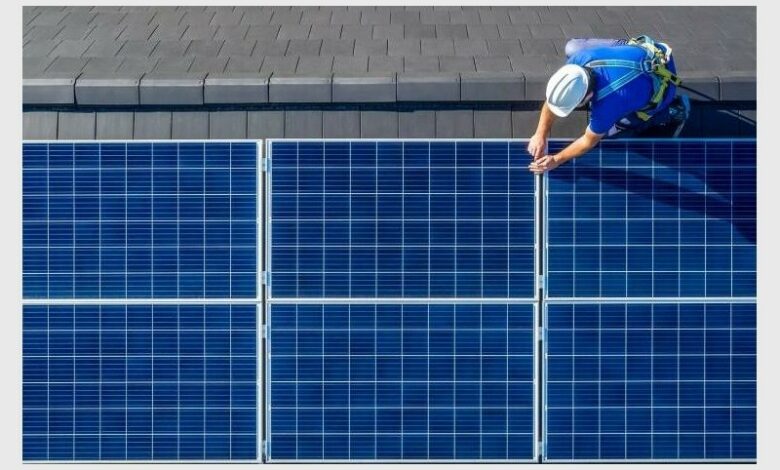
Pretoria residents are urged to ensure their solar power systems are safely installed and maintained, following a recent fire allegedly linked to a solar installation at a residence in La Montagne.
Despite no one being harmed in the fire, emergency services and experts have voiced a need for the use of accredited installers and regular maintenance as more households turn to alternative power solutions.
The incident occurred shortly before 14:30 on March 2, when the Volunteer Emergency Medical Response Unit (VEMRU) received a call about a solar system fire in La Montagne in Pretoria east.
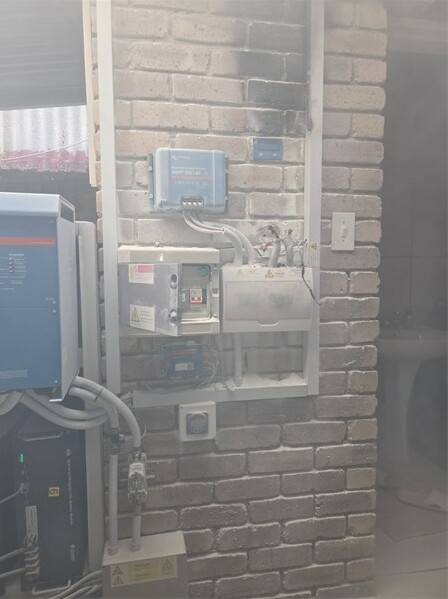
According to VEMRU spokesperson Casper Visser, the homeowner ensured that the power was switched off and used a fire extinguisher on the control panel.
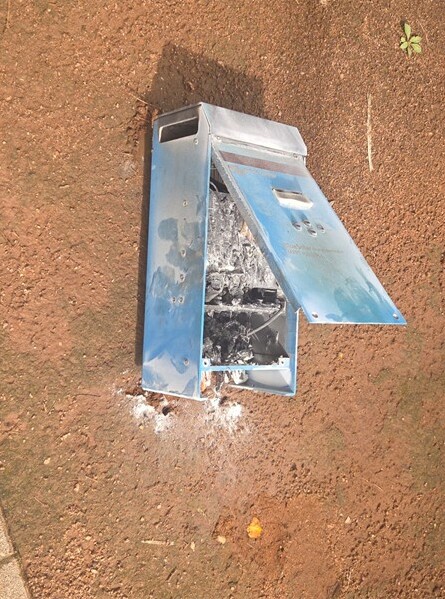
One of the neighbours is an electrician and was able to isolate and remove what he described as the ‘charge controller’.
“Our unit was on scene in 22 minutes with the first community member on scene in less than five minutes,” Visser said.
He added that when responders arrived, they found the fire had been largely contained by the homeowner and nearby community members. One person was assessed for minor smoke inhalation but declined hospital transport.
As more households in Pretoria turn to solar power to cope with frequent power outages caused by load-shedding or cable theft, emergency responders warn that the risk of solar-related fires is increasing.
Visser said calls to VEMRU about similar incidents have risen by about 45%, highlighting the need for residents to remain vigilant and prepared.
Despite the safety guidelines being offered to create awareness, according to Visser, the fire at the La Monatage premises remains under investigation, and no shoddy work has been confirmed as the cause of the fire.
While rooftop fires are rare, Chris Yelland, Energy expert and Managing Director at EE Business Intelligence, explained that these fires can occur due to technical faults in residential solar systems.
Common causes include loose connections or cracks in solar panels, which can create Direct Current (DC) arcs that ignite fires, and batteries, which can overheat and are difficult to extinguish.
Yelland noted that good-quality systems rarely have problems, but as installations increase, the overall risks rise.
To reduce the risk of fire, Yelland advised homeowners to prioritise quality and proper installation.
“Buy quality equipment. Cheaper options may not be safe,” he warned.
He also suggested using inverters with DC arc fault detection and ensuring systems are regularly maintained through a service agreement with a competent provider.
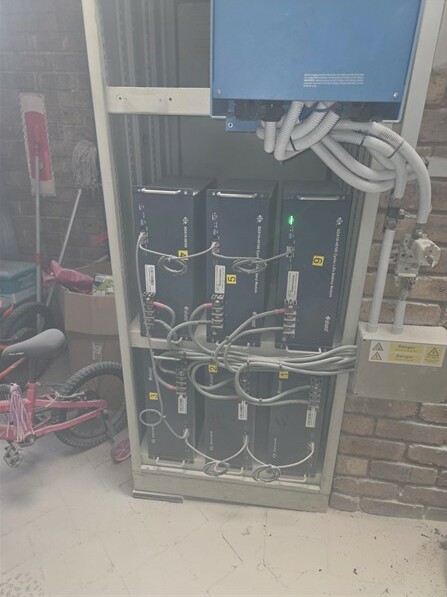
Yelland recommended that regular maintenance by professionals is essential. He also advised that batteries should be installed outside in well-ventilated areas, not in cupboards, and that residents should contract qualified professionals for ongoing inspections.
Ensuring that a solar system is installed and maintained correctly is just as important as using quality equipment.
“Regulations require a certificate of compliance for installations, but ongoing maintenance is the owner’s responsibility. Regular inspections should be contracted to qualified professionals,” said Yelland.
Visser recommended residents to have a dry chemical powder or carbon dioxide fire extinguisher as well as a lithium extinguisher to be used on the batteries, a form of respiratory protection, safety glasses and fire-resistant gloves before approaching the fire.
He also reminded them to check references and accreditation of the installer and to adjust their property evacuation plan to avoid it passing by the solar system.
Everyone on the property must also know how to use a fire extinguisher.
Both emergency responders and energy experts agree that awareness and preparation are key to preventing solar system fires.
By taking these precautions, households can continue to rely on solar power during load-shedding while keeping themselves and their communities safe.
Do you have more information about the story?
Please send us an email to bennittb@rekord.co.za or phone us on 083 625 4114.
For free breaking and community news, visit Rekord’s websites: Rekord East
For more news and interesting articles, like Rekord on Facebook, follow us on Twitter or Instagram or TikTok or WhatsApp Channel