Long weekend getaway: Marakele National Park plans expansion
Marakele National Park is preparing for a new phase of growth as management explores expanding its borders to protect more wildlife and strengthen conservation. Plans to acquire neighbouring land, improve infrastructure and boost tourism signal a future in which the Waterberg reserve could become one of South Africa’s largest protected landscapes.
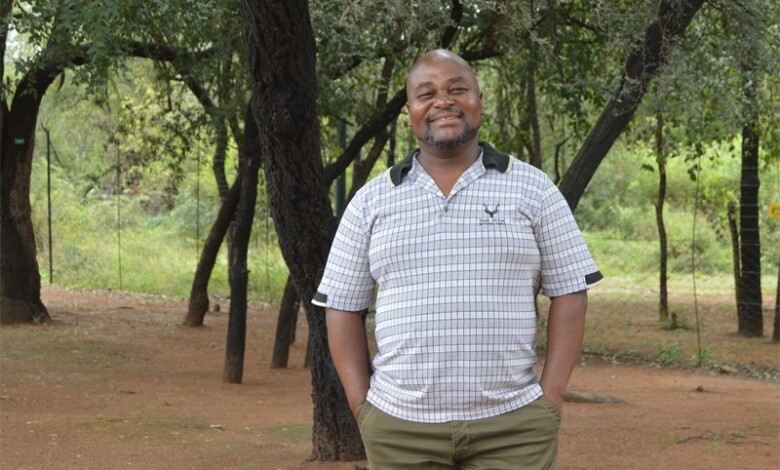
SANParks’ Marakele National Park near Thabazimbi in Gauteng is entering a period of steady growth and long-term planning, with management actively considering expansion to protect more land and strengthen conservation outcomes.
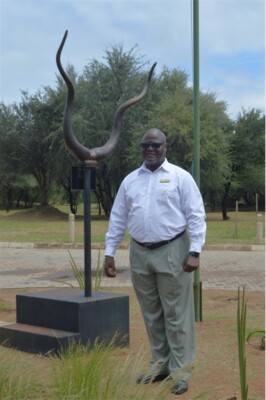
Pretoria-born and bred park manager, Koketso Kotsoe, spoke to Rekord during a recent media trip. “The reserve is already managed through close co-operation between conservation managers and a scientific department that conducts regular wildlife censuses and oversees ecological processes such as controlled burning to create firebreaks.”
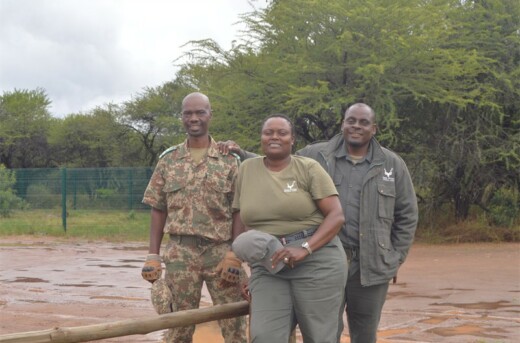
Situated roughly two and a half hours from Johannesburg, Marakele forms part of the internationally recognised Waterberg Biosphere Reserve, a landscape known for its exceptional biodiversity and varied ecosystems.
ALSO READ: Community unites to restore Jackson van Zyl Park
He said this setting makes the park unique, as it lies within a vital water catchment area and also serves as a natural gateway for travellers heading north towards Limpopo or across the border into Mozambique.
The expansion vision is closely aligned with global conservation goals, including efforts to create large connected landscapes that allow wildlife to move freely and ecosystems to function naturally.
By 2040, park management hopes to have secured more land for conservation, particularly for endangered species that require extensive territories.
Hospitality and service manager Sipho Zulu provided historical context to the park’s development.
He explained that the area was originally established as Kransberg National Park in the late 1980s and was officially renamed Marakele in 1994, a name derived from a Setswana word meaning ‘a place of sanctuary’.
At that time, the protected area covered only a fraction of its current footprint, but successive land acquisitions allowed it to expand rapidly to roughly 670 square kilometres, or about 70 000 hectares.
Today, about 20 000 hectares are directly managed in collaboration with a concessionaire responsible for certain tourism operations, but discussions are underway about acquiring neighbouring properties to create a larger and more connected conservation landscape.
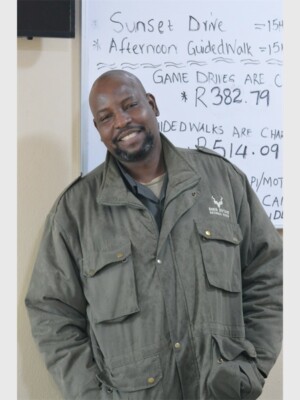
Zulu said: “Any future expansion would require additional infrastructure, including improved roads.”
Visitors already have access to more than 50 kilometres of roads inside the park, and a tunnel beneath a provincial route allows vehicles to pass safely into the northern section without disrupting wildlife movement.
Marakele’s ecological importance is amplified by its location within a transitional zone between South Africa’s dry western regions and wetter eastern bushveld.
This intersection of climates supports a remarkable diversity of habitats, from grassland valleys to forested mountain slopes, and in turn sustains a wide range of plant and animal life.
One of the park’s most celebrated conservation achievements is its protection of the Cape vulture. The towering cliffs of the Kransberg host the largest breeding colony of these endangered birds in Africa, with up to 700 breeding pairs recorded at times.
The vultures may travel great distances to feed, even crossing international borders, but they return to Marakele to nest, making the park indispensable to the species’ survival.
The landscape also holds cultural and historical significance. Archaeological evidence points to Iron Age settlements in the region, while renowned South African naturalist and writer Eugene Marais once lived and conducted research in the area, drawing inspiration from its unique flora and fauna.
These layers of human history add depth to what is often perceived purely as a wildlife destination.
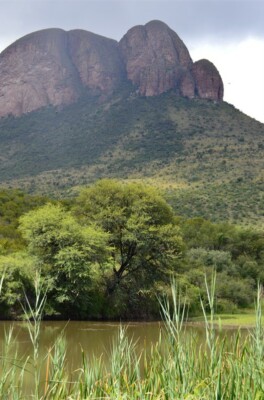
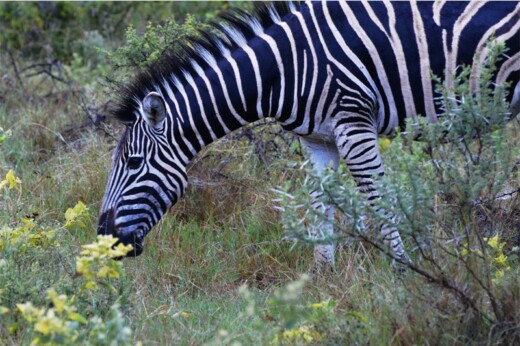
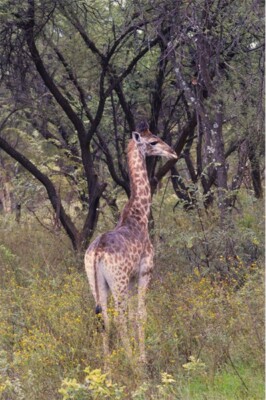
Wildlife numbers continue to grow steadily. According to the 2025 census conducted by park scientists, Marakele now supports more than 400 elephants and 36 lions spread across five prides. There are also buffalo, cheetahs, leopard, and sable antelope.
Zulu noted that while poaching remains a concern across southern Africa, Marakele has managed to limit its impact through strong internal controls and ranger oversight, although five rhinos have still been lost to poachers since 2018.
Security is therefore treated as a daily operational priority, according to conservation manager Tshifhiwa Mauda.
“The park has increased its anti-poaching reserves and strengthened monitoring systems to ensure both visitor safety and wildlife protection. Partnerships are also being explored with vehicle rental companies to make it easier for tourists to access suitable safari vehicles, complementing the guided game drives already available within the park,” said Mauda.
Tourism infrastructure has grown alongside conservation efforts. Accommodation options include the Bontle camping site with 34 caravan stands, Bontle Tented Camp with 10 units, Tlopi Tented Camp overlooking a dam, and the more secluded Motswere Guest House.
The park’s varied terrain has made it popular with adventure travellers, offering numerous 4×4 eco-trails and mountain biking routes. Events such as the Marakele Marathon draw cyclists and endurance athletes from across the country, although Zulu said additional roads may need to be built in future to accommodate rising visitor numbers.
Beyond its borders, the park maintains close working relationships with neighbouring landowners through a security cluster and park management forum. These co-operative structures help co-ordinate patrols, share intelligence and manage fires, while also laying the groundwork for potential land purchases that could expand the protected area.
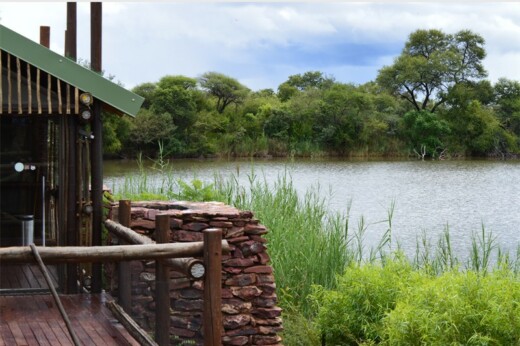
At the heart of the visitor experience, however, is not only the wildlife and landscapes but also the people who ensure guests feel welcome after long days in the bush.
The park itself does not have a restaurant, and all facilities are self-catering. But in line with SANParks’ policy and strategy of helping their park neighbours in the tourism industry as well as communities to develop, the park supports guesthouses and restaurants in the area, such as Mupauli Boutique Lodge.
Chef Jabulile Mbatha of the lodge’s hospitality team’s journey into the culinary world began in Soweto when she visited a relative studying culinary arts. Inspired by those early experiences, she later spent four years working at Fire and Ice in Menlyn in Pretoria, where she developed her skills in a professional kitchen.
Today, she works closely with her family member and manager, Dumisani Mangwane, preparing meals that combine traditional flavours with her ambition to become a gourmet chef at Mapauli.
Mbatha said her goal is “to serve food that is hearty and satisfying while still reflecting the standards of fine dining”.
She is particularly known for her oxtail dish, which frequently earns compliments from guests, and she attributes its distinctive flavour to a carefully guarded blend of mint and rosemary.
She also enjoys preparing T-bone steaks, which she said allow her to focus on quality ingredients and precise cooking techniques, while she continues to perfect a classic New York cheesecake that she hopes will one day become her signature dessert.
As Marakele National Park looks towards a future shaped by expansion, improved infrastructure, and strengthened conservation partnerships, its story continues to be written in its landscapes and wildlife populations. It is also written in the daily work of the people who protect, manage, and serve within the park, as well as in the surrounding communities.
Do you have more information about the story?
Please send us an email to bennittb@rekord.co.za or phone us on 083 625 4114.
For free breaking and community news, visit Rekord’s websites: Rekord East
For more news and interesting articles, like Rekord on Facebook, follow us on Twitter or Instagram or TikTok or WhatsApp Channel