Bipolar disorder myths debunked
The South African Depression and Anxiety Group has renewed calls for better understanding of bipolar disorder through education and open dialogue. Mental health advocates say misinformation fuels stigma, while increased awareness can encourage people to seek treatment and support.
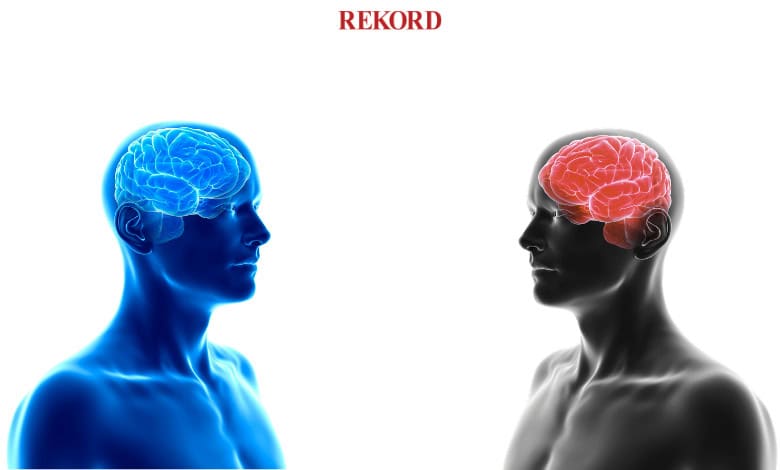
As the world commemorates World Bipolar Day, the South African Depression and Anxiety Group (SADAG) is encouraging South Africans to challenge false beliefs about bipolar disorder through open dialogue and education.
It is celebrated every March 30, the birthday of the renowned late artist, Vincent van Gogh, who was posthumously diagnosed with the condition.
Many people still have the wrong information about this condition, which can lead to stigma, judgement, and fear.
Psychiatrist, Dr Leverne Mountany, explains, “When people understand the facts about bipolar disorder, stigma begins to decrease. Education helps people feel safer to seek support and speak openly about their mental health.”
SADAG hosted a range of informative webinars from March 23–30 on the ins and outs of bipolar disorder, with each day dedicated to a different topic related to the condition, where attendees could engage with experts through Q&As.
Common myths surrounding bipolar disorder include that it is simply ‘mood swings’, that people with the disease cannot live normal, productive lives.
It is not true that bipolar disorder is rare or that people with the disorder are unpredictable or dangerous.
Bipolar disorder cannot simply be ‘overcome with willpower’, but talking about it indeed makes things better. Open conversations are key to not only destigmatising bipolar disorder, but all mental health conditions.
Some of the facts presented by SADAG to debunk claims include that the mood shifts in bipolar disorder last much longer than in an ‘average’ person, and that it is a treatable mental health condition that can affect daily life.
Leading a fulfilling, productive and successful life is possible while living with bipolar disorder with the right treatment and support.
Millions of people globally live with the disease, which affects 3–4% of the South African population.
Most people living with the condition are not violent, but social stigma prevents many people from seeking out treatment.
A local psychologist based in Hatfield, Thabo Lephoto, said that in layman’s terms, bipolar disorder is a mood disorder characterised by mood swings which alternate from extreme highs (mania) and extreme lows (depression).
Lephoto said manic symptoms include an expansive, elevated mood, where those around them experience the person as being overly happy or excited. They will experience very high energy levels, and during this time, they feel more productive, have a decreased need for sleep, rapid speech, racing thoughts, extreme impulsive or reckless behaviour (for example, spending sprees, reckless sexual encounters), grandiosity, and intense distractibility.

When they shift from this extreme, they then become depressed, where they experience feelings of sadness, isolate themselves, have poor hygiene, irregular sleep and appetite patterns, and a loss of interest in daily activities.
“There are a few myths out there about bipolar, such as the belief that it’s just mood swings, which it is not… but a complexity of different symptoms which cause significant distress and dysfunction in that person’s life.
“The second one is that people diagnosed with bipolar are moody, which is also not true. They suffer from extreme mood shifts and not necessarily dysregulation of emotions, which is what is going on in those who have pathological personality traits,” Lephoto said.
Some treatments for bipolar disorder include medication and therapy in the form of cognitive behavioural therapy, family therapy, and psychoeducation.
Lifestyle changes include regular sleep, exercise, and stress management.
Lephoto said one of the factors that can influence the development of bipolar disorder is genetics. Which means that if you have a parent or even a relative who might have had a mental illness, you might be at increased risk of developing it.
Hormonal imbalances, such as thyroid issues, may also increase the risk, as well as being exposed to stress and trauma, and lastly, substance abuse.
“The importance of such days is that with more info being shared across different social media platforms, stigma gets reduced, it encourages people to seek help, and for those who are brave enough, they can share their experiences,” said Lephoto.
“Be kind to those who are battling with bipolar disorder, offer support and listen to them without judgement. Get as much information as you can about bipolar disorder so that you can have a good understanding of the illness and be able to meet those suffering from this illness from their point of need. Lastly, practice patience with them,” Lephoto advised.
Do you have more information about the story?
Please send us an email to bennittb@rekord.co.za or phone us on 083 625 4114.
For free breaking and community news, visit Rekord’s websites: Rekord East
For more news and interesting articles, like Rekord on Facebook, follow us on Twitter or Instagram or TikTok or WhatsApp Channel