Dialogue breaks men’s mental health stigma in Soshanguve
Men now have a safe space to heal. Other themes discussed during the dialogue, is that men should hold each other accountable when it comes to gender-based violence.

A growing mental health crisis among men has prompted community organisers in Soshanguve to take action, creating platforms aimed at breaking long-standing stigma and encouraging open conversations.
One of the organisers, Gosiame Nomzamo Lebethe said the initiative was born out of a troubling reality observed within the community.
“We saw a silent crisis, men suffering in isolation, with no safe spaces to speak. That reality pushed us to act,” explained Lebethe.
According to the organisers, the challenges facing men are both widespread and deeply rooted.
Many are battling depression, unemployment, substance abuse and exposure to violence, often without any form of structured support.
These issues are further compounded by societal expectations that discourage vulnerability.
“Society teaches men that vulnerability is weakness, so they suffer in silence to protect their image,” said Lethebe.
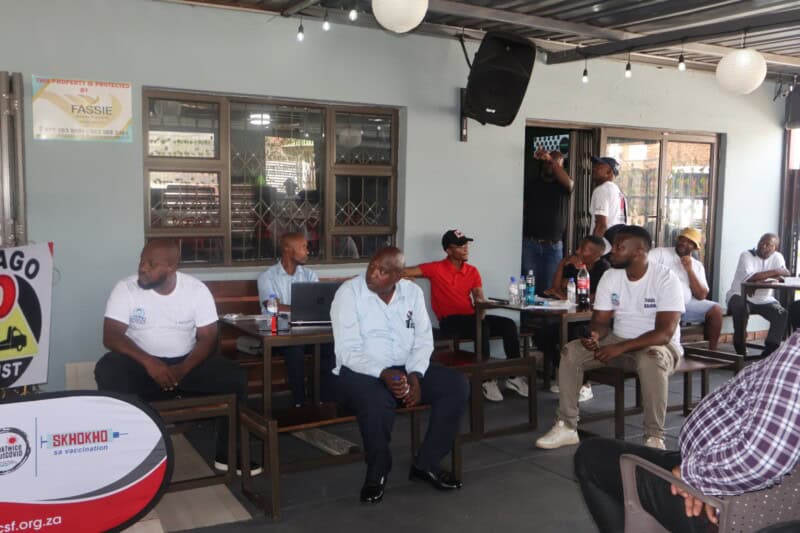
Daily pressures such as financial strain, broken relationships, fatherhood responsibilities and identity struggles continue to weigh heavily on men.
The absence of father figures in many households has also contributed to ongoing social challenges.
“It creates cycles of emotional instability, poor role modelling, and young boys growing up without guidance,” added Lethebe.
He said that despite the seriousness of these issues, men’s health concerns are often overlooked as cultural expectations that demand toughness and self-reliance prevent many from seeking help.
“There’s a belief that men must be strong and self-reliant, so their struggles are overlooked or minimised.
“Cultural norms tell men to ‘man up,’ which discourages emotional expression and seeking help.”
The lack of targeted support systems has further worsened the situation.
Organisers pointed to a shortage of safe spaces specifically designed for men, limited mental health awareness, and a lack of community-driven programmes addressing these challenges.
He said initiatives like the Soshanguve Dialogue aim to provide a platform for meaningful engagement.
“They create safe platforms for dialogue, reshape masculinity, and encourage healing and accountability.”
The dialogue also addresses the role of men in tackling gender-based violence (GBV), highlighting the need for accountability and active participation in driving change.
“Men must lead in ending GBV by holding each other accountable and promoting respect and responsibility,” emphasised Lethebe.
The long-term vision is to normalise vulnerability among men and foster healthier individuals, families and communities.

Organisers believe that open conversations can play a critical role in shifting mindsets and reducing stigma.
Progress, Lethebe noted, will be measured through increased participation, personal testimonies, visible behavioural change, and a growing willingness among men to seek help.
To sustain these efforts, collaboration remains essential. “Partnerships with NGOs, government, mental health professionals, and community leaders are key,” he said.
For men who continue to struggle in silence, Lethebe offered a message of hope: “You are not alone. Speaking up is not a weakness, it’s the beginning of healing. Reach out.”
Also Read: AstroTurf grows into hockey hub for youth and community development
Do you have more information about the story?
Please send us an email to bennittb@rekord.co.za or phone us on 083 625 4114.
For free breaking and community news, visit Rekord’s websites: Rekord East
For more news and interesting articles, like Rekord on Facebook, follow us on Twitter or Instagram or TikTok or WhatsApp Channel