Ex-addict says better recovery programmes needed to eradicate central drug use
Mbongiseni Emmanuel Msomi founded Laqhakaza Iphara Recovery to help addicts recover.
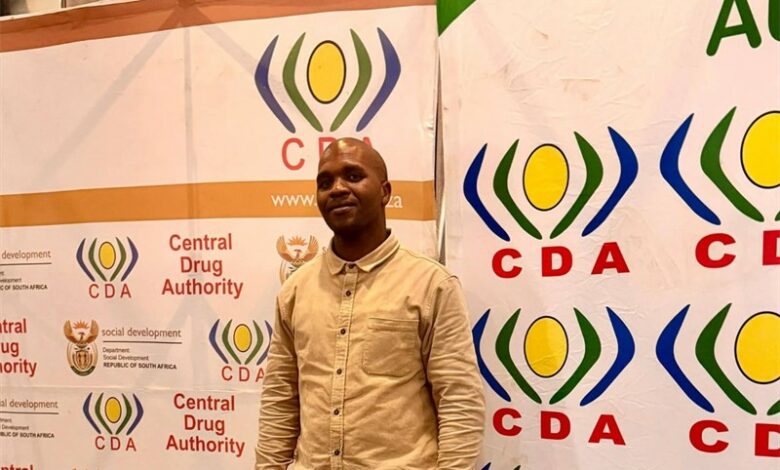
Following over a decade of addiction, the founder of Laqhakaza Iphara Recovery (LIR), Mbongiseni Emmanuel Msomi, says more recovering addicts are needed to help others end the vicious cycle of addiction.
LIR was founded in 2015, and Msomi says that it was born out of a need to help the still suffering addicts and alcoholics to achieve the gift of recovery.
“My journey of recovery was not easy, but with the support from Alcoholics Anonymous (AA), Narcotics Anonymous (NA), Al-Anon fellowship, the 60-minute drug awareness campaign, Project Exodus, the Addiction Counsellor Certification and Support Association (ACCSA) College, and Cedars private institutions, it was sufficient enough for me to grow from strength to strength,” Msomi says.
Originally from Mgababa, KZN, Msomi says growing up in that environment was difficult, leading him down a path of substance abuse.
“Life growing up was very cold and depressing. I was forced to live as a slave, and do chores like I’m at work or I’m going to get paid. Some people thought I had no parents, and my home was not my home. It was a sad life,” Msomi recalls.
“I grew up living at home, which led me to use drugs. Life as an addict was a risk; everything is a risk. I used to drink at night, getting into fights all the time because I was an angry child. I used to harm and hurt people badly, taking out my anger on innocent people. I never drank alcohol to dance or celebrate, but I drank to kill myself, using drugs to escape from the pain of the life that I was living at home – a hard life,” he explains.
Msomi says he received little to no support from his family members in his recovery, and though he’s not in contact with most of them, the new family he has at LIR, NA and AA does more than enough to keep him going.
He says recovery councillors (such as himself), interorganisational collaboration, and rehab programme reform are the keys to significant change regarding the city’s rampant drug problem.
“Professions like social workers, psychologists, and psychiatrists aren’t the only people who will help addicts to achieve recovery. Recovery counsellors, addiction counsellors, and ex-addicts can also assist addicts to achieve recovery,” he says.
“Social workers can only talk, and psychiatrists can only make it worse by giving addicts medication, which is also a drug. That is why you find people go to a rehabilitation centre, come back, and relapse.
Msomi says the rehab centres have a problem with their recovery programmes.
“You can’t force addicts to recover. They take orders to the wrong people, people who have never experienced addiction but who learned about it at university or college.
“That is why addicts are all over the streets of Pretoria, because they gave up on the programmes that are failing them,” Msomi says.
LIR offers services such as recovery programmes, support groups, sponsor recruitment, 12-step programme referencing, and awareness campaigns for private and public companies, churches, streets, schools, universities, and colleges, as well as workshops and training.
Msomi says that strict shelters play a vital role in curbing drug use, as most addicts he encounters prefer sleeping in the streets to participating in rehab programmes.
LIR is currently in need of a space to host support groups for other addicts, and can be reached on 079 995 2023 or email laqhakazaipararecovery@gmail.com.
“The next initiative is on April 27, and is a recovery prayer. All partnering churches and LIR will come together to pray for the still suffering addicts and alcoholics to achieve the gift of recovery.”
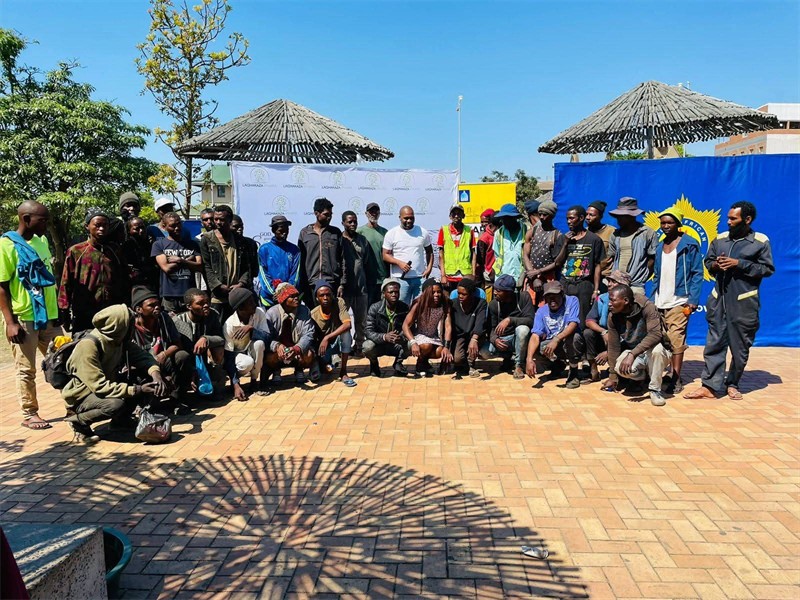 Laqhakaza Iphara Recovery, supporting stakeholders and beneficiaries during a previous anti-drug campaign. Photo: Supplied.
The NPO also plans to visit parks in the CBD for drug awareness campaigns during the Drug Awareness Month (June).
On June 26, Drug Awareness Day, LIR plans a major drug awareness event in Pretoria Central, featuring a well-known musical (details still to be confirmed).
Msomi’s message to people struggling with addiction: “It is not easy to start recovery, it is not easy to stick to that decision, to stay sober and clean. You have to be honest with yourself. You have to open your mind to take advice and suggestions, and you have to be willing to do whatever you are told to the best of your ability.
“Do not start recovery for your family, your kids, to hide from police or escape from drug lords you owe, or to save your job. Recovery is a process, and recovery has a purpose. Do recovery to change your life completely, not to impress people and use again, remember recovery is a grace of God. It is hard but possible,” Msomi concludes.
ALSO READ:
- Sinoville residents and safety structures unite for Ward 50 visibility campaign
- Tuks rowers win four gold medals at the USSA Boat Race
- Four in court following Atteridgeville arrest and firearm recovery
- Afri-Indie-wenner bereik nuwe hoogtepunt
- Demand for fixed opening date for Women’s Living Heritage Monument
Do you have more information about the story?
Please send us an email to bennittb@rekord.co.za or phone us on 083 625 4114.
For free breaking and community news, visit Rekord’s websites: Rekord East
For more news and interesting articles, like Rekord on Facebook, follow us on Twitter or Instagram or TikTok or WhatsApp Channel