Metro and club clash over Harlequins’ future
A dispute between the metro and Harlequins sports club has escalated into a community flashpoint, with petitions, protests and legal threats mounting. At stake are compliance, heritage and livelihoods, as both sides defend their positions while seeking a resolution before looming deadlines reshape the club’s future.

Petitions, a peaceful gathering and the threat of legal action have brought renewed urgency to a growing dispute between the Harlequins sports club community and the metro over an enforcement notice that could see long-standing facilities demolished.
With a deadline looming, the matter has evolved beyond a technical planning issue into a broader test of administrative fairness, community identity, and the future of one of Pretoria’s oldest sporting institutions.
The conflict centres on the club’s unresolved rezoning application and the metro’s enforcement of land use regulations.
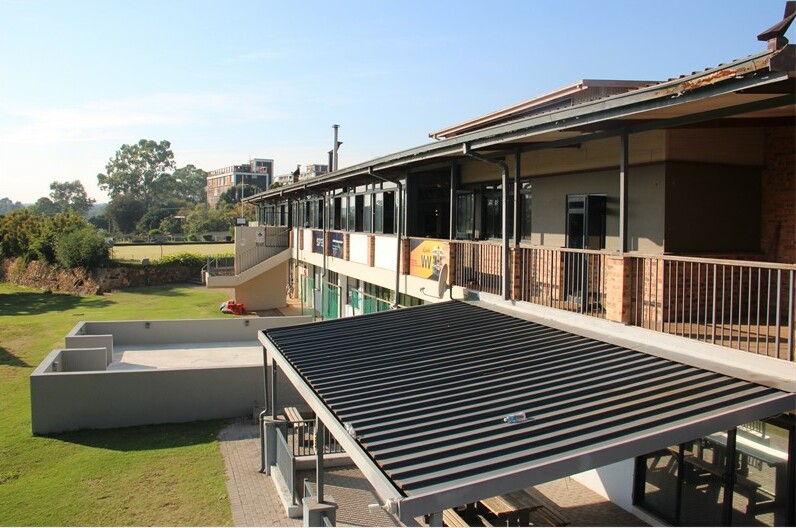
While the club says it applied in 2021 to change the zoning of ‘undetermined’ and has engaged stakeholders to address objections, the metro argues the application remains incomplete and cannot be finalised.
Enforcement action is proceeding in parallel, prompting claims of unfairness, as the club faces possible demolition of its own buildings on its own property despite ongoing efforts to regularise its zoning status.
According to the metro’s compliance notice, the property must be restored to the status of an agricultural property by April 14.
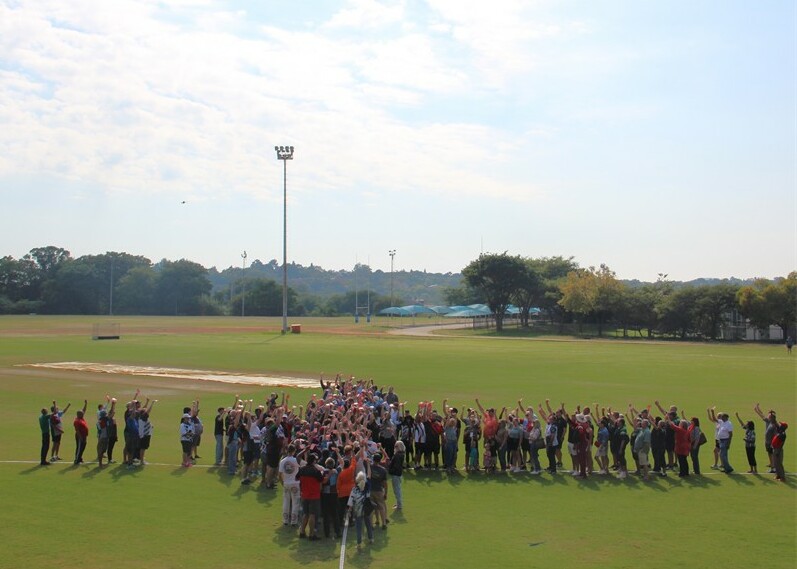

More than 200 people gathered at the club on April 11 in a show of solidarity, while a petition opposing the notice has attracted significant public support.
Arno Roodt, legal representative for AfriForum, said the core of their case rests on fairness and due process.
“The action against the club is not fair,” he said, arguing that the metro cannot penalise the community for administrative delays that have stretched over several years. He explained that the club has operated on the same premises for decades, with buildings developed over time under approved plans.
Roodt confirmed that formal representations have been made to the municipality, requesting the withdrawal of the enforcement notice and the scheduling of a metro zoning planning tribunal hearing to finalise the rezoning application.
He warned that if progress is not made, further legal steps will follow.
“We are preparing a review application to address both the failure to decide on the rezoning and the enforcement action itself,” he said, noting that the case will likely turn on reasonableness and procedural fairness.
AfriForum spokesperson Maree van der Berg, who helped organise the recent gathering, described the event as a unified expression of community concern.
“The community stands united,” he said, explaining that symbolic gestures during the gathering, like showing a red card as in rugby, were intended to convey collective dissatisfaction with the enforcement action.
From within the club, frustration and uncertainty remain palpable.
Harlequins chairperson Chaka Crouwcamp said the enforcement notice came as a shock, particularly given that the rezoning application had been submitted years earlier.
“We applied for rezoning in 2021 and engaged stakeholders,” he said.
He outlined the steps taken by the club, including consultations with residents, meetings with objectors, and adjustments to development plans in response to concerns raised during the public participation process.
Crouwcamp emphasised the property’s historical context during the April 11 meeting, noting that the club had long operated under arrangements that allowed for sporting use.
He highlighted the potential economic impact of the enforcement notice, pointing to employees, service staff and coaches whose livelihoods depend on ongoing club activities.
“It would be unfortunate if this service to the community is lost,” he said, expressing hope that engagement with the metro would still lead to a workable outcome.
According to him, the club has made consistent efforts to comply with requirements and to maintain open lines of communication with all stakeholders.
Club president Ben Eybers placed the dispute within a wider context, suggesting that pressures on land use in Pretoria may be influencing developments.
“There may be broader interests at play,” he said, referring to what he described as a pattern of interest in land occupied by sports clubs.


Sports lovers are also facing growing concern from several other long-established sports clubs in Pretoria that operate on 99-year lease agreements on municipal land.
For decades, these clubs have functioned as community-based institutions, contributing to local sport, recreation, and social cohesion, often under lease conditions that did not include the payment of property rates.
However, in a recent development, at least five of these clubs have been informed for the first time that they are now required to pay property taxes to the metro and are considering legal action to challenge the payment notifications.
This shift has raised questions about the legal and policy basis for the change, as well as its financial impact on organisations that typically operate as non-profit or community-focused entities.
Harlequins owns the property where the club is situated. The club bought it from the metro in 1997.
Eybers also highlighted the club’s role in reflecting and serving a diverse community. “We have kept pace with how the surrounding community has evolved,” he said, noting that the club remains open and inclusive.

The metro told Rekord that its actions are guided by legal obligations and the need for consistent enforcement.
Mayoral spokesperson Samkelo Mgobozi said the matter must be understood within a broader effort to restore proper governance.
“The focus is on lawful and fair application of the framework,” he said.
At the same time, he acknowledged the club’s value and indicated that engagement remains ongoing. “The city remains open to working toward a balanced and compliant resolution,” he said.
He explained that the rezoning application has not yet been finalised due to outstanding requirements, including unresolved objections, incomplete submissions and pending input from various stakeholders.
“Compliance obligations are not suspended,” he said, stressing that decisions are taken within a legal framework and are not influenced by political considerations.
He added that enforcement actions are not politically motivated. While acknowledging potential risks to jobs and community value, he said the metro aims to reach a fair, legally sound outcome, with timelines dependent on the applicant meeting all outstanding conditions.
– Click here to watch a video of the gathering:
Do you have more information about the story?
Please send us an email to bennittb@rekord.co.za or phone us on 083 625 4114.
For free breaking and community news, visit Rekord’s websites: Rekord East
For more news and interesting articles, like Rekord on Facebook, follow us on Twitter or Instagram or TikTok or WhatsApp Channel