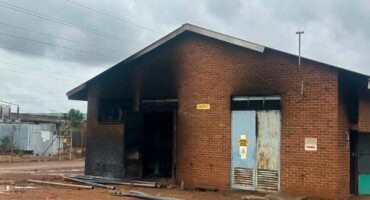
Government cracks down on metro over collapsing sewage infrastructure
With just 60 days to act, the metro faces mounting pressure to fix its failing wastewater system as pollution worsens, infrastructure crumbles and residents remain exposed to serious health and environmental risks from untreated sewage.
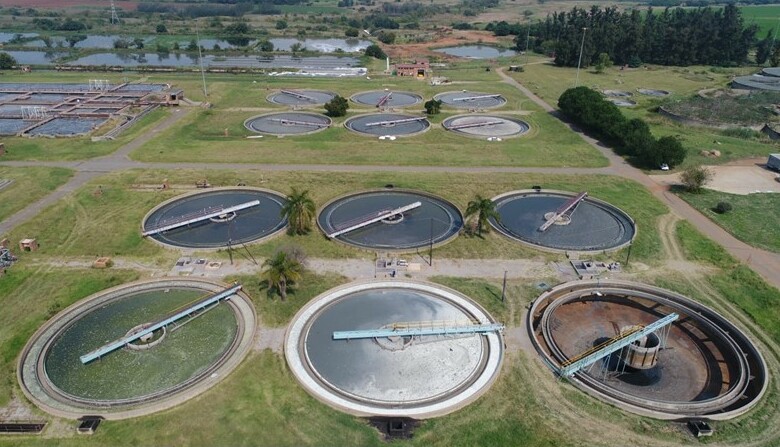
The metro has been given 60 days to present a credible plan to rescue its collapsing wastewater system, a deadline imposed by the Department of Water and Sanitation, following damning findings in the 2025 Green Drop Report.
The directive, issued on March 31, places the metro under regulatory pressure to urgently address what has been described as a systemic failure in sewage treatment, infrastructure management and environmental compliance.
At the heart of the crisis is a dramatic and sustained decline in performance.
The metro’s Green Drop score has plunged from 82% in 2013 to just 33.8% in 2025, placing it firmly in the category of poor-performing wastewater systems.
The scale of the drop reflects not a temporary lapse, but a long-term breakdown in governance, maintenance and technical capacity.
MPL and DA Gauteng Spokesperson for Environment, Leanne de Jager, said the implications of the report are severe and immediate.
“This is not a performance dip. This is a public health and environmental catastrophe,” she said, warning that residents are already exposed to the consequences of untreated and poorly treated sewage entering natural water systems.
The Green Drop Report evaluates municipal wastewater treatment works across the country, and in the metro the results are alarming.
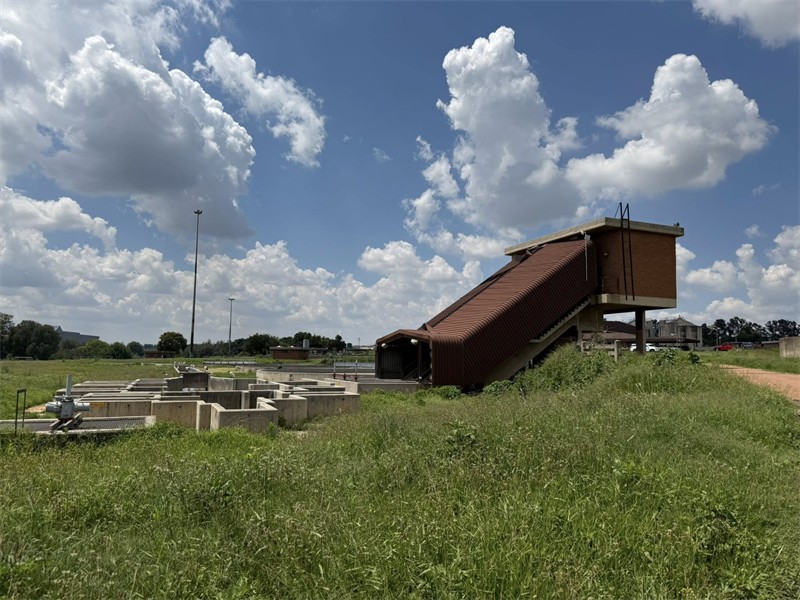
Of the metro’s 16 wastewater treatment plants, 15 are performing below acceptable standards, while six have been classified as critically failing.
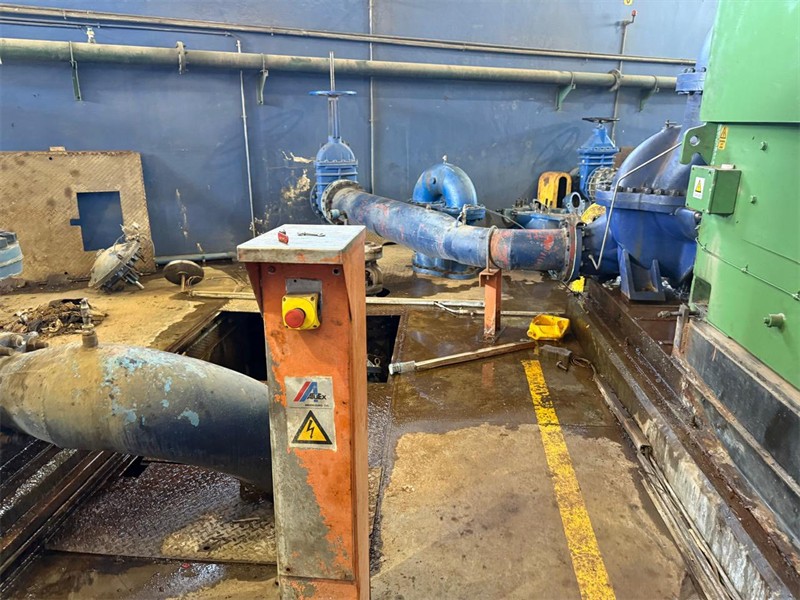
Facilities such as Bronkhorstspruit, Ekangala, Rooiwal and Rietgat are among those unable to meet basic compliance requirements, often operating beyond their design capacity and with failing equipment.
This deterioration is clearly visible in the environment.
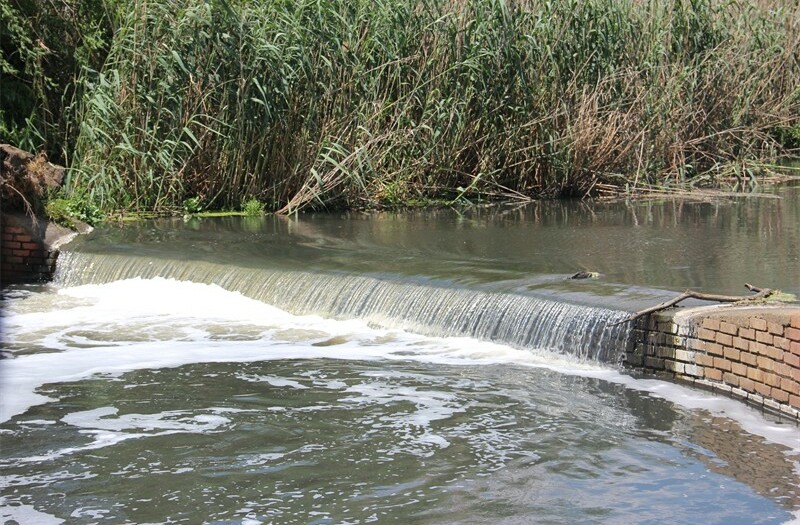
Rivers like the Hennops and streams around Rietvlei Dam and in the Rietvlei Nature Reserve have become heavily polluted, with foam and discoloured water indicating high levels of untreated or partially treated sewage.
Communities living near these water sources face ongoing exposure to contamination, raising concerns about waterborne diseases and long-term environmental damage.
De Jager said the crisis is the result of years of neglect and mismanagement.
“This decline did not happen overnight, but it is the direct result of years of neglect, financial mismanagement, and a failure of leadership,” she said.
Among the key issues identified is a severe shortage of technical expertise.
Many treatment plants operate with fewer than three qualified staff members, far below the level required to manage complex wastewater processes.
Financial failures have further weakened the system.
The report shows the metro has underspent its operations and maintenance budget by more than 20%, leaving essential infrastructure without the upkeep needed to remain functional.
Combined with ageing systems and increasing demand from a growing population, this has pushed many facilities to the brink of collapse.
Environmental expert Marais de Vaal, spokesperson for AfriForum, said the situation in the metro reflects a broader national crisis.
“South Africa does not have a few failing wastewater systems with some areas of excellence, it has a failing wastewater system with a few isolated plants still functioning as they should,” he said, highlighting the widespread nature of the problem.
He also challenged the notion that well-performing plants are exceptional.
“Green Drop certification indicates that the wastewater system is functioning as it should in these plants. The fact that only a handful of systems achieve this standard does not point to isolated excellence, but systemic failure elsewhere,” De Vaal added.
He believes the Green Drop findings point to multiple layers of failure.
He explained that many wastewater plants are operating beyond their intended capacity, having been designed for smaller populations than they now serve.
Even where infrastructure remains partially functional, the volume of incoming sewage overwhelms treatment processes, leading to non-compliance with safety standards.
According to the report, beyond the plants themselves, the wider wastewater network is also failing.
Broken pump stations, blocked pipes and leaking infrastructure mean that large volumes of sewage never reach treatment facilities at all.
Instead, raw sewage spills directly into rivers, wetlands and open land, compounding environmental and health risks.
The crisis has also triggered legal and investigative processes.
A criminal case has been lodged by the DA with the National Prosecuting Authority, and an investigation involving the SAPS is underway.
These developments point to possible accountability failures that extend beyond technical shortcomings.
The DA has also pledged to intensify oversight and ensure that the 60-day deadline leads to meaningful action.
The party plans to table questions in the Gauteng Provincial Legislature to assess what interventions are being implemented and whether the metro’s response meets regulatory requirements.
Proposed interventions by the DA focus on rebuilding the system from the ground up.
These include filling critical engineering vacancies, restoring staff-to-plant ratios, and ring-fencing budgets to ensure that allocated funds are spent on maintenance and infrastructure upgrades. There are also calls for stricter oversight, including independent audits and real-time public reporting of plant performance.
ALSO READ: Two suspected cable thieves nabbed near east nature reserves
Do you have more information about the story?
Please send us an email to bennittb@rekord.co.za or phone us on 083 625 4114.
For free breaking and community news, visit Rekord’s websites: Rekord East
For more news and interesting articles, like Rekord on Facebook, follow us on Twitter or Instagram or TikTok or WhatsApp Channel