Illegal connections flagged as key obstacle during Region 3 public meeting
During the public participation meeting, metro officials presented proposed upgrades, including substation refurbishment, expanded public lighting, and road resurfacing. Residents questioned service delivery failures and spending practices, while the metro urged communities to report illegal connections and continue paying rates.
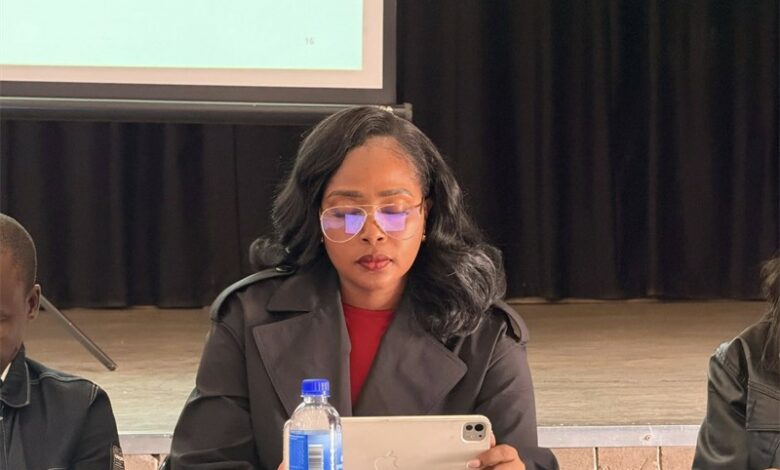
Deteriorating infrastructure, spending transparency, and water and electricity were among the service delivery-related gripes that Region 3 residents made known to the metro during the region’s Integrated Development Plan (IDP) public participation meeting this past weekend.
The Office of the Speaker has been rolling out a series of meetings across the metro to gain the public’s comments on the Draft Reviewed 2026/27 IDP, Medium-Term Revenue and Expenditure Framework (MTREF), and the Draft Property Rates Policy and By-law.
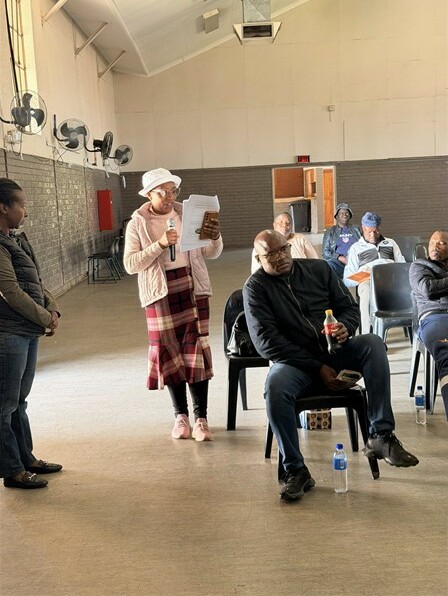
The meeting, which took place on April 18 at the Atteridgeville Community Hall, saw metro officials, ward councillors, and supporting officials engage with a small group of locals regarding the metro’s plans for the area.
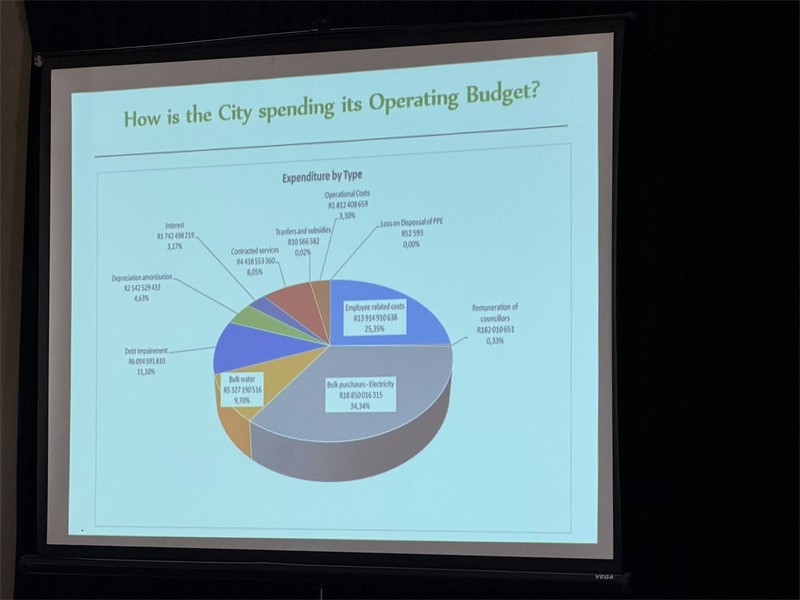
During her address, MMC for Roads and Transport, Tlangi Mogale, emphasised that water and electricity have taken the largest chunk of the proposed budget, as they are essentials.
“In Region 3, we are refurbishing Kwaggasrand Substation, which supplies, I believe, 58% of [the] power to Tshwane… so about R40–60-million was set aside for that refurbishment.
“Of course, there will be issues regarding illegal connections, but the city can only do so much. This is work that is in collaboration with you, as the community need to help us.
“If you’re in a community meeting and someone says that they have their own manhole in their house, it means that it is an illegal structure,” Mogale said.
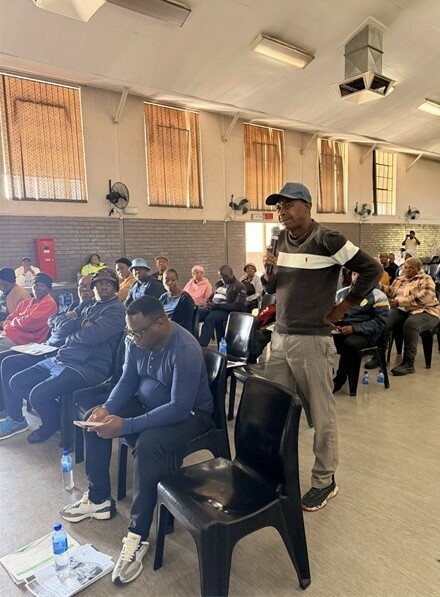
Mogale also serves as the MMC responsible for Region 3, and said illegal connections are still holding the metro back from progress.
According to Mogale, the metro finds itself playing catch-up, removing illegal water and electricity connections in unauthorised developments.
“Public lighting is another area where we’re going to spend big on because some of the things that affect public safety are the lack of public lighting in our areas.”
She said R4-million have been set aside for that, which includes the issue of streetlights.
“As the Department of Roads and Transport, we’ve started expanding A Re Yeng to the CBD, the Menlyn area, coming into the CBD, Wonderboom area, Mamelodi, and we’ve now started the expansion that leads to Atteridgeville, via WF Nkomo [Street].”
She said the project is being done in two phases.
“Phase 1 is 80% complete. We started in Princess Park, we’ve upgraded that road’s surface, and it’s coming up WF Nkomo. It’s going to be a mixed traffic set-up, because outside of water and electricity, roads and transport are critical to connect our people to economic opportunities in the CBD.”
Regarding job growth, Mogale referred to the City’s Economic Revitalisation Strategy, which was introduced last April. She confirmed that over R80-billion in investment pledges were made last year during the metro’s Investment Summit.
She also spoke about the metro’s economic revival strategy that promotes development and job growth through leveraging the city’s assets, one of which, the Pretoria Showgrounds, is located in Region 3. Mogale confirmed that this metro property has secured a contractor for refurbishment.
According to the MMC, people in and around Atteridgeville, Pretoria West and surrounding areas will be the ones to benefit from the showgrounds revival, as it has the potential to be a billion-rand endeavour.
The Ituba Youth Programme is a recent initiative implemented by the metro and is aimed at assisting young people to get a start in the job market.
Mogale plans to lead an inspection of roads in Region 3 this week, as R110-million was set aside for the roads in the IDP for roads and resurfacing.
Project managers and engineers are set to join the MMC to see if they can locate the most critical roads that connect various amenities and that are in need of refurbishment.
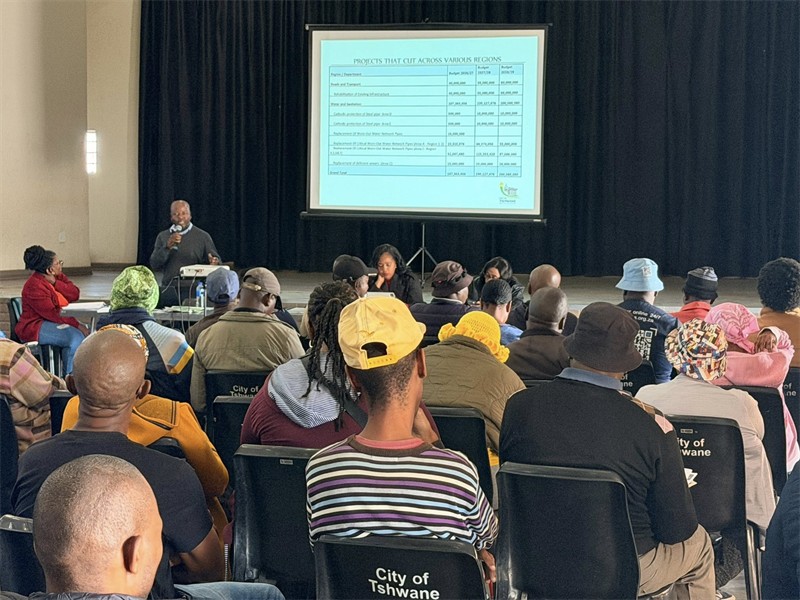
Mogale also pleaded with residents to co-operate with tariffs and rates, as, though the metro acknowledges the instances of irregular expenditure, boycotting collection will result in the collapse of the capital.
“I heard someone say, ‘we’re not going to pay’. Going that route simply means that you’re starving your own municipality. If you look at the sources of income from any municipality, tariffs are critical.
“That’s why we collect rates,” she added.
“If we don’t, we’re saying that the municipality can be ungovernable, and therefore, there should be services. As community leaders, call us out. It’s your right to say here there’s an issue and there’s an issue here, but to avoid paying rates and taxes will dismantle us. Some municipalities can attest to that,” Mogale said.
The MMC said a budget meeting should not be what determines if the region has an imbizo, but called for stronger communication to better address challenges.
Those who were unable to attend the physical meeting can still provide input on these draft documents. The documents can be viewed, and suggestions submitted on the metro’s website, www.tshwane.gov.za or at local libraries. Residents can also hand-deliver written comments to Tshwane House, Ground Floor, 320 Madiba Street, Pretoria. The deadline for comment is May 4 at 16:00
Watch here:
Do you have more information about the story?
Please send us an email to bennittb@rekord.co.za or phone us on 083 625 4114.
For free breaking and community news, visit Rekord’s websites: Rekord East
For more news and interesting articles, like Rekord on Facebook, follow us on Twitter or Instagram or TikTok or WhatsApp Channel