Programme drives safer scholar transport in Pretoria
A partnership programme is equipping drivers with defensive driving skills, health screenings and vehicle monitoring to improve learner safety on the roads.
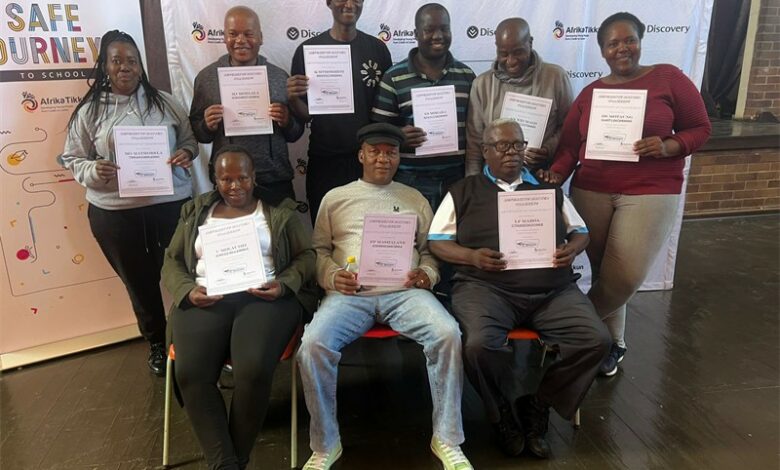
Scholar transport safety remains a serious concern in South Africa, where thousands of learners rely on daily transport to reach their schools.
Despite existing regulations, the sector is plagued by reckless driving, unroadworthy vehicles, and weak enforcement, all of which place children at risk.
All of these factors reinforce the urgent need for improved safety measures and stricter regulation to protect learners.
Scholar transport drivers in Pretoria are receiving enhanced safety training, health support and monitoring through the Discovery Safe Journeys to School (DSTJS) programme, aimed at improving road safety for thousands of learners.
The programme was launched in 2014 to support more than 900 drivers across Gauteng and the Western Cape.
It currently helps transport over 27 000 learners daily, ensuring every learner gets to school safely.
DSTJS held an event at Daspoort Secondary School on April 18. The event included the installation of vehicle tracking devices to monitor driving, defensive driving training, and health screenings for scholar transport drivers.
Quinlyn Johnston, communications and media co-ordinator, said a total of 22 scholar transport vehicles were fitted with telematics devices, enabling monitoring of driving behaviour such as speeding, harsh braking and cornering.
“The data is reviewed quarterly to help drivers improve their habits, while incentives are offered to reward consistent safe driving,” Johnston said.
She said that 42 drivers underwent defensive driving training designed to strengthen their ability to anticipate hazards and manage road risks while transporting scholars.
A Mamelodi-based driver, Maria Seakamela, said it is very important that every driver takes part in the defensive driving training.
“We drive every day and think we have experience, but there is still a lot to learn about driving. If everyone can do this, it can help to prevent most of the accidents that happen every day,” Seakamela said.
“I’ve learned that all the numbers you see on your tyres have a meaning. It is important to understand what they mean, and to know the correct tyre pressure,” she added.
Andronica Mabuya, Head of CSI at Discovery, said ensuring learner safety is a shared responsibility that extends beyond drivers to schools, parents, communities, and programme partners.
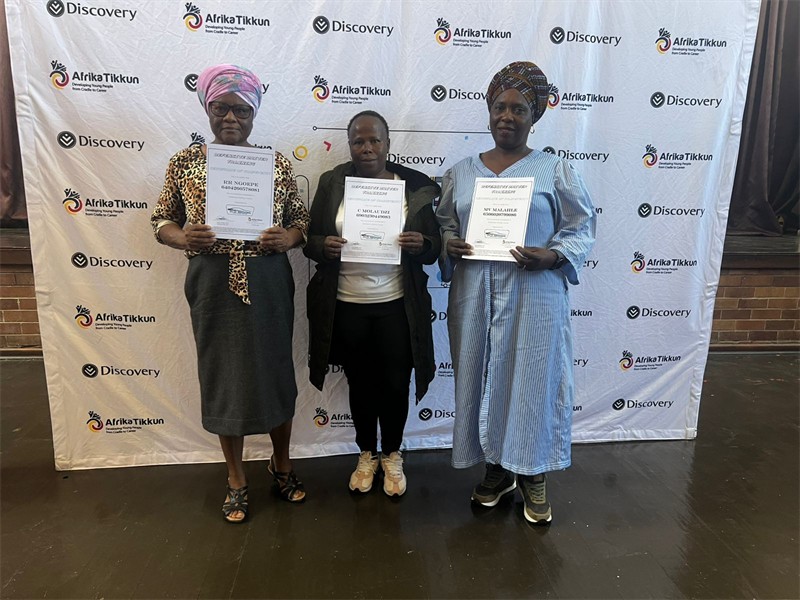
Image: Supplied
According to Mabuya, improving scholar transport safety requires collaboration across communities.
“When you want to care for children, you also have to invest in the adults who support them. This programme is a direct investment in the scholar drivers who transport children every day,” she said.
Silvester Moraka, an operator of learner transport services, said the programme is an eye-opener to what is really expected of scholar transport drivers.
“We tend to forget basic things such as proper braking and turning, being on time so that we don’t rush on the road and putting learners’ lives at risk. Sometimes it’s better to be late than be sorry,” he said.
Moraka said that as a scholar transport driver, being patient with learners is also a crucial part of their well-being.

Image: Supplied.
Beyond driving skills, the programme also focuses on driver well-being and hosts health checks to ensure that the driver’s health does not pose a safety risk to learners travelling to school.
Further strengthening safety, participating drivers received first aid training on April 25, equipping them with essential skills to respond to emergencies while transporting learners to and from schools.
Do you have more information about the story?
Please send us an email to bennittb@rekord.co.za or phone us on 083 625 4114.
For free breaking and community news, visit Rekord’s websites: Rekord East
For more news and interesting articles, like Rekord on Facebook, follow us on Twitter or Instagram or TikTok or WhatsApp Channel