New dawn for Dinokeng-hub drives jobs and conservation
Gauteng’s bold plan to expand the Dinokeng-Roodeplaat-Cullinan corridor links job creation with environmental stewardship. With employment set to double by 2030, officials say deeper public engagement with nature will be key to unlocking sustainable growth and long-term conservation success.
A new economic and environmental dawn is breaking over Pretoria’s eastern and northern tourism belt.
The provincial government outlined an ambitious development blueprint for the Dinokeng-Roodeplaat-Cullinan hub to more than 30 representatives from embassies and consulates, including delegations from Peru, Lithuania, Japan, Malaysia, and Liberia.
The briefing, held on May 5 at Kwalata Lodge in Dinokeng Reserve, showcased a long-term integrated plan that links conservation, tourism, sport, heritage, and medical infrastructure into what officials describe as a ‘world-class investment corridor’ within reach of Johannesburg, Pretoria, and Ekurhuleni.
The development includes a proposed medical tourism hub anchored by a state-of-the-art regional hospital, alongside environmental rehabilitation zones, heritage tourism expansion, and specialised economic precincts.
The initiative is managed by the Cradle of Humankind World Heritage Site Association (COHWHS) and Dinokeng Projects.
The meeting at Dinokeng was part of their call for investment opportunities and to discuss tourism investment initiatives.
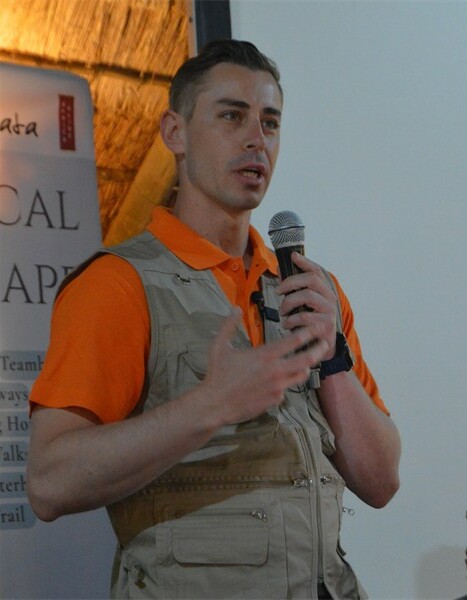
Gauteng MEC for Environment Ewan Botha told delegates that the initiative for the hub is not only about economic growth, but about redefining how people understand the natural world and its value.
He referred to his mentor in nature, his father, who taught him, “Everything in nature is interconnected. You cannot take anything out of nature without consequences. Nature shows us our interconnectedness with one another,” Botha said.
The province’s ambition is to expand employment in Dinokeng from 793 jobs to more than double that figure by 2030 by residents in the area.
It is not only as an economic target, but as a shift in how people relate to the environment and the landscape itself.
Botha’s statement that “you cannot protect what you have never experienced” is central to this thinking, suggesting that sustainable job creation in conservation and tourism depends on a deeper public connection to the natural world.
His idea is that when communities earn their income from nature-based industries like eco-tourism, wildlife management, and heritage interpretation, protection becomes not just policy, but personal interest.
By linking economic growth to a lived experience of the environment, the province is positioning job creation as a mechanism for long-term stewardship.
He argued that the more people work within and benefit from these landscapes, the more embedded conservation becomes in everyday life and turns environmental protection into something understood, valued, and actively defended rather than abstract or distant.
Botha said the whole of Gauteng represents a rare convergence of ecological diversity, cultural heritage and economic opportunity, referencing nearby global attractions such as the Cradle of Humankind and the so-called ‘City of Gold’ economic belt.
The briefing highlighted that Dinokeng alone welcomed 108 314 visitors during the 2024/25 reporting year, generating R16-million in direct tourism revenue.
Plans are underway to expand the Dinokeng reserve footprint from 22 000 hectares to 40 000 hectares, with multiple landowners and institutions already committing land toward consolidation of the expanded conservation area.
Gauteng Tourism Authority data presented at the session revealed that the province remains one of South Africa’s most visited regions, recording more than 3.8 million international arrivals in 2024/25, up significantly from 2.6 million in the previous period.
International tourism in Gauteng generated about R42-billion in foreign direct revenue during this time.
Officials argue that linking Dinokeng, Roodeplaat Dam, and Cullinan into a single integrated hub could help diversify Gauteng’s tourism economy beyond urban business travel and shopping tourism.
Roodeplaat Dam, located just north of Pretoria, was presented as a high-performance international canoeing and water sports training destination. At an altitude of 1 200 metres, it is already recognised as a premier training site for international athletes.
Recently, it hosted the SA Canoe Sprint Championships, featuring a 2 000-metre, eight-lane sprint course used for national team selection.
Further east, Cullinan remains central to South Africa’s global mineral heritage identity. Officials highlighted that the area is home to the legendary Cullinan Diamond discovery of a 3 106-carat rough diamond still recognised as the largest gem-quality diamond ever found.
Plans presented include the development of a diamond heritage precinct, a small business incubator known as Cullinan Treasure Village, and a proposed ‘diamond train’ experience linking mining history with tourism storytelling.
The environmental component of the hub includes proposals for a predator rehabilitation sanctuary for rescued big cats, as well as eco-tourism innovations at Roodeplaat Dam, including a river cruise system and a floating bridge concept aimed at enhancing visitor interaction with the landscape.
Botha emphasised that the region north and east of Pretoria is actively seeking international and private-sector partners.
“For all these plans and developments, we already have the land, but we are waiting for partners,” he said.
With the province already generating billions in tourism revenue and attracting millions of international visitors annually, officials believe the Dinokeng-Roodeplaat-Cullinan corridor could become a flagship model for sustainable, multi-sector regional development.
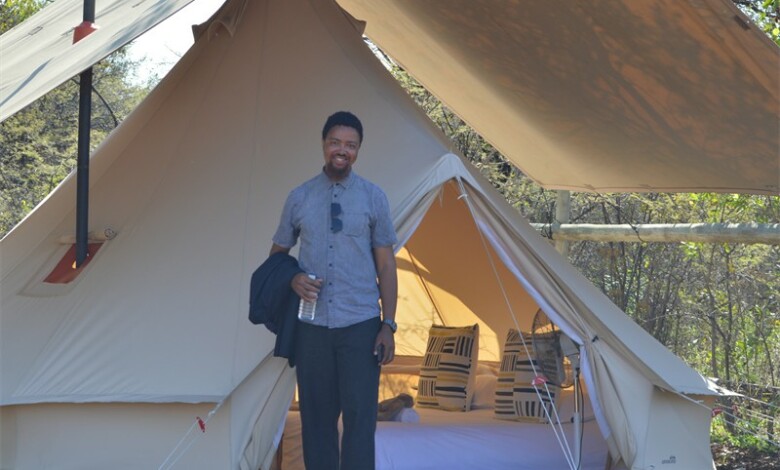
– Click here for a tour of one of the camps in Dinokeng:
Do you have more information about the story?
Please send us an email to bennittb@rekord.co.za or phone us on 083 625 4114.
For free breaking and community news, visit Rekord’s websites: Rekord East
For more news and interesting articles, like Rekord on Facebook, follow us on Twitter or Instagram or TikTok or WhatsApp Channel