No electricity ‘collapse’, metro rejects claims
Tshwane mayoral spokesperson Samkelo Mgobozi acknowledges that the metro is dealing with staffing shortages and ageing infrastructure, but says external contractors will be more costly than strengthening its internal capacity.
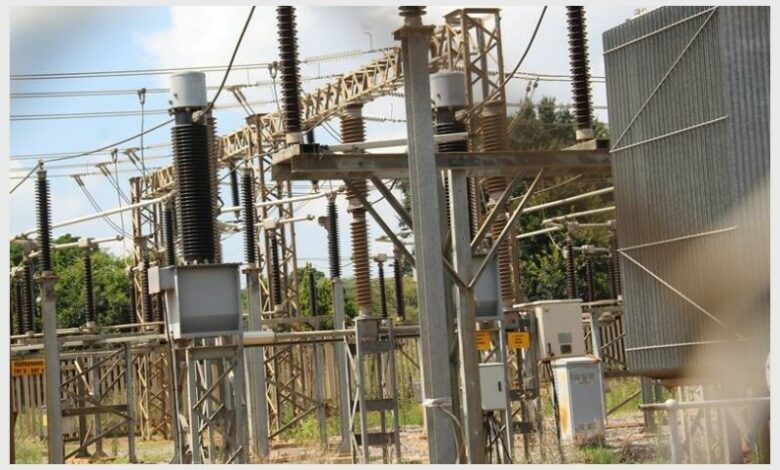
Tshwane metro has defended the state of its electricity network and staffing capacity, revealing that the loss of skilled personnel is through resignations, retirements, and better employment opportunities, which is a challenge faced across the industry.
The metro acknowledged an existing skills shortage within its Department of Energy and Electricity, but insisted that measures are being implemented to strengthen technical capacity and stabilise the network.
This follows after the Freedom Front Plus (FF+) warned that residents are experiencing ‘gradual technical collapse’ of the electricity network, which is jeopardising the entire metropolitan area.
There are just 26 high-voltage personnel to keep 55 substations running, according to FF+ councillor Nick Pascoe.
Pascoe said the metro’s Customer Relationship Management (CRM) report for the second quarter of the 2025/26 financial year presents an overly optimistic picture of the situation.
“While the metro’s CRM report claims a 92% response rate to public queries, the actual data tell a very different story,” he said.
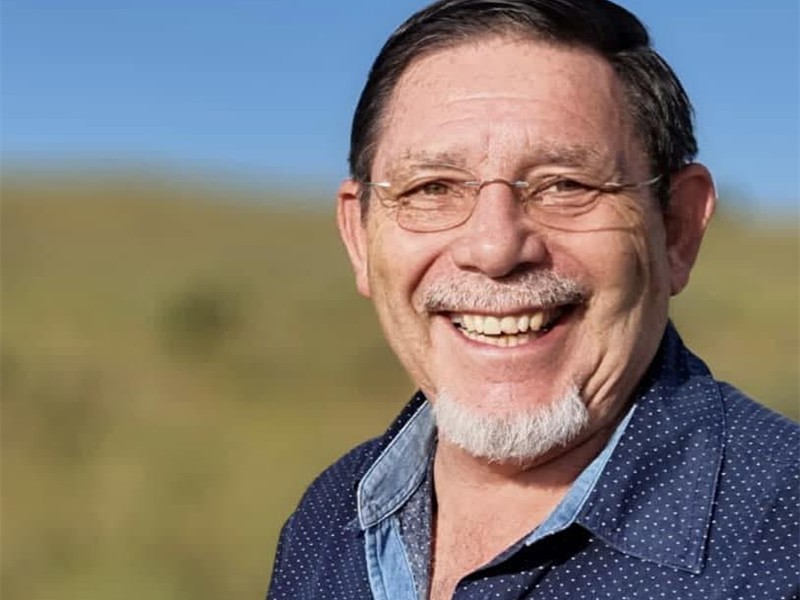
Pascoe claimed the Department of Energy and Electricity’s completion rate for power faults had dropped to just 37%, with more than 12 000 technical requests allegedly outstanding for longer than 90 days.
He further alleged that the metro operates 55 substations on its 132kV network, excluding regions 5 and 7, but has only 26 qualified technicians authorised to work on the high-voltage network.
“This shortage makes it physically impossible to resolve faults timeously, leaving residents stranded without electricity for days on end,” Pascoe said.
He warned that the lack of skilled personnel could create dangerous working conditions if unauthorised workers are pressured into carrying out high-risk electrical work.
Pascoe also criticised the metro for allegedly prioritising large infrastructure projects while neglecting maintenance of ageing infrastructure and the development of technical skills.
He called on the metro to urgently look into appointing specialists from the private sector to help address the backlog and technical pressures facing the network.
“Without immediate intervention, Tshwane’s electricity infrastructure would continue deteriorating.”
However, Tshwane mayoral spokesperson Samkelo Mgobozi said, like in any industry, natural attrition and better offers, including retirements, lead to the loss of skilled personnel.
“The city acknowledges the existing skills gap, which reflects a broader industry-wide challenge affecting municipalities and utilities across the country.”
Mgobozi said the increasing complexity of the network, ageing infrastructure and growing service demands have placed significant pressure on the city’s technical operations.
He said, however, the city disputed aspects of the criticism and said the electricity network is managed through a broader operational system than suggested.
Mgobozi said Pretoria has 80 primary substations and that engineers and electricians are not assigned to individual substations.
“Most of these substations are remotely monitored through SCADA [Supervisory Control and Data Acquisition] and teams are dispatched through job cards to attend to maintenance in line with statutory requirements,” he said.
SCADA is an industrial control system architecture that combines hardware and software to monitor and control industrial processes in real time.
He confirmed that the city currently employs eight qualified high-voltage technicians dedicated to managing the 132kV network, while the sub-transmission team includes 18 electricians.
“These specialised resources form part of the operational capacity responsible for maintaining and stabilising critical electricity infrastructure across Tshwane,” Mgobozi said.
He admitted that staffing constraints are affecting response times and maintenance cycles, especially during severe weather conditions and periods of high fault volumes.
“Current staffing constraints place operational pressure on the network, as limited technical resources are required to respond across a large and increasingly complex electricity system,” he said.
“This can affect response times and maintenance cycles, particularly during periods of high fault volumes or severe weather conditions.”
Mgobozi said that despite the challenges, the metro continues to prioritise critical faults while implementing targeted interventions through its Electricity Stabilisation Plan.
“The plan includes filling critical technical vacancies, expanding training programmes and strengthening operational capacity across high, medium and low-voltage operations.”
He said the metro is actively prioritising the recruitment of specialised technical personnel within the Energy and Electricity Business Unit, while simultaneously advancing targeted training and skills development initiatives to strengthen internal capacity.
Mgobozi said recruitment processes for critical vacancies during the 2025/26 financial year are already underway.
He also defended the city’s approach to using private contractors, saying outsourcing all operational functions would not be financially sustainable.
“External expertise is utilised where appropriate, particularly for large-scale and capital-intensive infrastructure projects such as new substations and major upgrades,” he said.
“However, maintaining a permanent contractor standby model for continuous operational requirements such as 24-hour fault response is significantly more costly than strengthening internal technical capacity.”
He further insisted that strict Occupational Health and Safety measures remain in place during maintenance and repair operations.
Mgobozi said the metro continues balancing investment between new infrastructure projects and maintenance of ageing systems through substation upgrades, refurbishment projects, preventative maintenance programmes and network reinforcement initiatives.
Current upgrades are underway at substations, including Kwagga, Rosslyn, Monavoni, Mooikloof and Wapadrand.
“The city remains committed to improving electricity reliability and ensuring that infrastructure investments translate into more stable service delivery for residents and businesses across Tshwane,” Mgobozi concluded.
Do you have more information about the story?
Please send us an email to bennittb@rekord.co.za or phone us on 083 625 4114.
For free breaking and community news, visit Rekord’s websites: Rekord East
For more news and interesting articles, like Rekord on Facebook, follow us on Twitter or Instagram or TikTok or WhatsApp Channel