Fire safety rules tightened to prevent winter hazards
The metro has warned that non-compliance with fire regulations, illegal burning and unsafe electricity use will face stricter enforcement this winter.
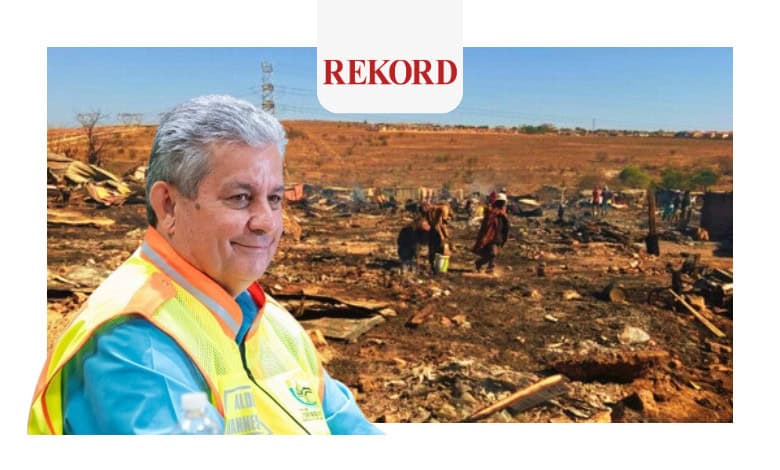
Illegal electricity connections, overloaded plugs, and unsafe winter heating methods may once again place thousands of Pretoria residents at risk this winter as the city enters the high-risk fire season.
This warning comes from MMC for Community Safety, Hannes Coetzee, on behalf of the Tshwane multiparty coalition government.
He said densely populated communities are particularly vulnerable to devastating fires that can spread rapidly, destroy property and claim lives during the colder months.
Coetzee urged residents across the metro to prioritise fire safety and comply with the city’s winter no-burn regulations as temperatures continue to drop.
He stressed that resident safety, the protection of property and the enforcement of fire prevention regulations remain central priorities for the municipality during winter, especially in areas where homes are built close to one another.
“Winter has historically seen a sharp increase in residential fires due to the widespread use of paraffin stoves, heaters, braziers, and open flames.
The close spacing between structures continues to pose serious dangers in communities across the city,” he said.
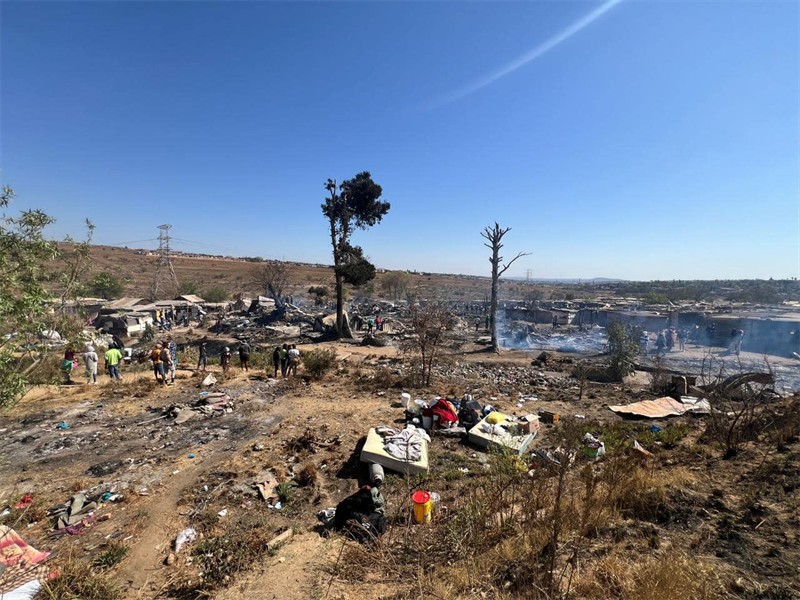
In some communities, the increased use of heating devices during winter places significant pressure on already strained electrical systems.
Illegal electricity connections and makeshift wiring frequently expose residents to sparks, short circuits, and electrical overloads. These risks are common in informal settlements and densely populated residential areas, where multiple households often rely on unsafe power sources.
Once a fire breaks out, flames can spread rapidly from one structure to another, leaving little time for residents or emergency responders to contain the blaze.
Such fires often result in injuries, displacement, loss of livelihoods, and, tragically, fatalities.
The municipality has now signalled a tougher stance on violations linked to winter fire risks.
Non-compliance with fire prevention regulations and no-burn rules will result in enforcement action under the applicable legislation and municipal by-laws.
Coetzee reminded residents that the annual No Burn Period will run from July 1 to November 1.
“During this period, the open burning of waste, vegetation or any combustible material is strictly prohibited to reduce the risk of uncontrolled fires, protect air quality, and safeguard communities,” he said.
Coetzee stated that the metro will continue to intensify fire prevention awareness programmes, community outreach initiatives, and law enforcement operations across the city, particularly in high-risk areas vulnerable to winter fire incidents.
He urged residents never to leave heating devices or open flames unattended and advised communities to keep flammable materials away from heat sources.
“There should be no overloading of electrical plugs and connections. Communities must maintain safe spacing between structures wherever possible.”
The MMC further called on residents to report dangerous or unlawful burning activities immediately.
“Residents are also reminded that Section 9(1) of the City of Tshwane Fire Brigade Service By-law prohibits any person from making an open, uncontrollable or unattended fire in a manner that poses a real or potentially real threat to any person, animal, building or property.”
“Section 9(2) prohibits the burning of refuse, wood, straw, or other combustible materials without written authority from the Fire Service, while Section 9(3) states that anyone failing to comply with these provisions is guilty of an offence,” he stated.
Section 10(1) of the by-law prohibits owners or occupiers from allowing premises to become overgrown to the extent that vegetation poses a real or potentially real fire hazard to neighbouring properties or communities.
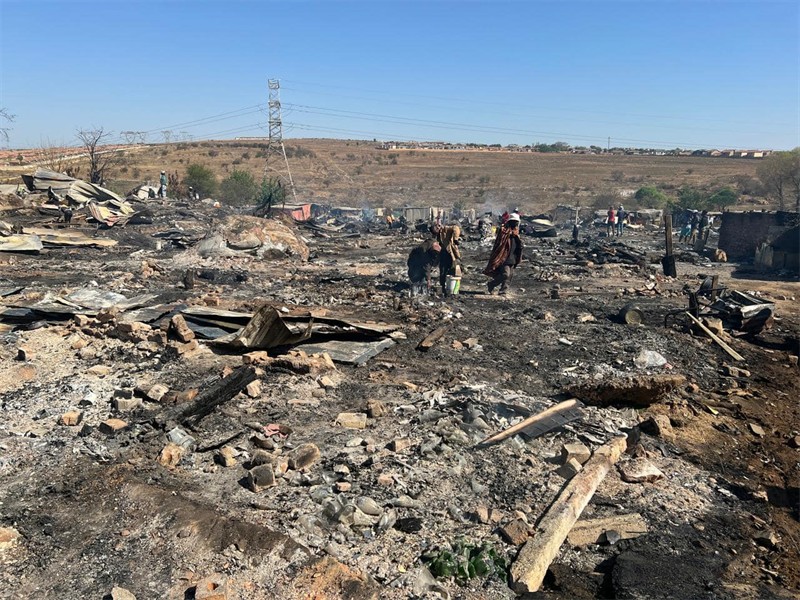
The Tshwane metro encouraged residents, businesses, farmers and property owners to maintain clear firebreaks and ensure vegetation and combustible materials are properly managed throughout winter in line with the National Veld and Forest Fire Act, 1998.
Coetzee said the metro remains committed to proactive law enforcement, public education and co-ordinated emergency response measures aimed at reducing preventable fire incidents during the winter season.
“Fire prevention is a shared responsibility. Through responsible behaviour, compliance with safety regulations, and community vigilance, we can prevent avoidable tragedies and better protect our residents, families, and communities.”
Residents are encouraged to immediately contact emergency services in the event of a fire or any emergency.
Do you have more information about the story?
Please send us an email to bennittb@rekord.co.za or phone us on 083 625 4114.
For free breaking and community news, visit Rekord’s websites: Rekord East
For more news and interesting articles, like Rekord on Facebook, follow us on Twitter or Instagram or TikTok or WhatsApp Channel